Melilla la Vieja
Stone bastions from 1497 overlook the Med just above Melilla’s port, where you’ll spot bullet scars and cannon marks from centuries of siege.

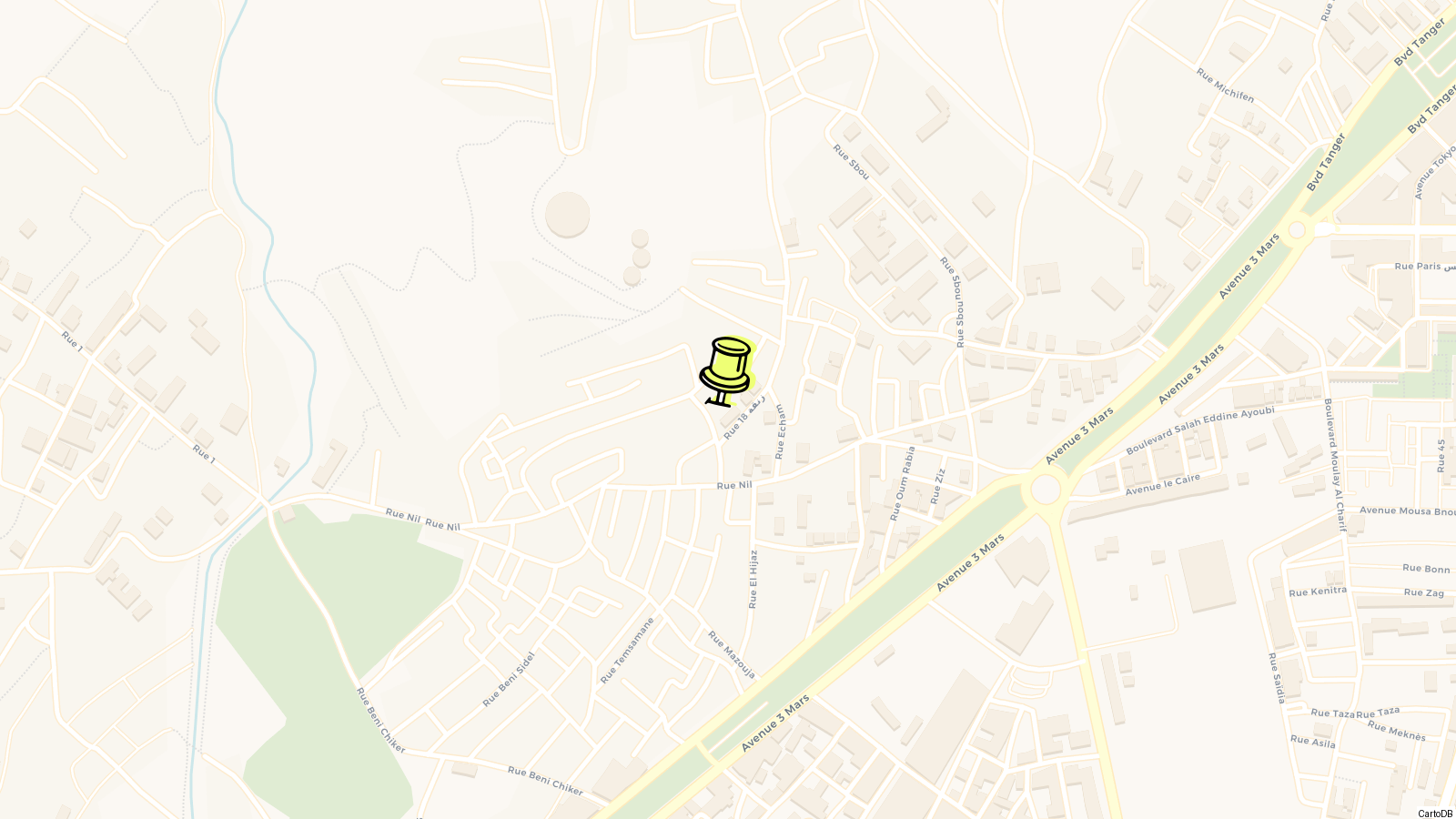
Overview
Melilla la Vieja stretches for about two kilometres along a rocky headland just north of the modern port. You’re looking at a fortress first built right after 1497, the year Pedro de Estopiñán landed here for the Catholic Monarchs. The entire upper city is an official Spanish cultural monument (“Conjunto histórico” since 1953) and it’s free to wander, day or night.
Inside the walls, the layout mixes four high-walled enclosures, winding alleys, and open plazas. Forget the grid: one moment you’re in front of the yellow-stone Church of the Conception, the next, you’re ducking into the Conventico Caves, which have been used since the Phoenician era. There’s an archaeological museum in the Almacenes de las Peñuelas, a military museum in the Baluarte de la Concepción Alta, both are free and usually quiet, especially on weekdays.
From the ramparts, you get wide-angle views over the Mediterranean, the new city, and Galápagos Cove Beach. The fortifications themselves are the main show: 16th–18th-century ramparts braced for cannon fire, zig-zag bastions, underground escape tunnels, and a lighthouse installed in 1918 that still uses original Chance-Brothers optics from the UK.
The fortress owes its current shape to a string of sieges and repairs, not least the attack by Sultan Mohammed III in 1774–1775 which left the place half-ruined and forced decades of rebuilding. That siege pushed Spanish engineers to adapt Renaissance military design for gunpowder artillery: thick walls, angled bastions, and hidden sally-ports. Later on, more outer forts appeared at Camellos and Rostrogordo, and deep under the surface, cave tunnels like the Conventico kept locals alive during attacks. Excavations from 2000 onward dug up layers of past occupation under the Governor’s House and the church, with Phoenician objects still turning up under your feet.
Navigation is easy. The main entrance is Puerta de la Marina, a short uphill walk from the port, with lift access at the Torreón de las Cabras for those who want to avoid steps. Most signage is in Spanish, French, and English. You don’t need tickets for anything in the open areas, and the only real crowds gather if there’s a festival. At sunset, locals lean on the parapets with supermarket beers and watch Morocco fade into the dark.
History
Pedro de Estopiñán took Melilla for the Catholic Monarchs on September 17, 1497. There was already a settlement here, evidence in the Conventico Caves and other tunnels shows people tunneling into the rock since Phoenician times, but what you see today began when the Spanish laid out a proper fortress above the waterline. The original defenses had to be built fast, since Melilla was a lonely foothold in North Africa with a reputation for being attacked by both pirates and Berber forces.
Rebuilding started in earnest in 1498, thanks to the Asiento of Alcalá de Henares. The Spanish crown authorized major works to reinforce the ramparts, with bastions and artillery platforms designed to resist the new cannons of the Renaissance. You can still walk through those layers of walls, the outer and inner circuits date from the 16th and 17th centuries, and every corner has been rebuilt or patched at least twice thanks to centuries of sieges.
The fortress grew in phases. The first line (Primer Recinto) included tight, maze-like alleys and storerooms packed behind thick outer walls. After Morocco’s Sultan Mohammed III tried to starve Melilla out between 1774 and 1775 (one of the longest sieges in its story), the Spanish strengthened the place yet again, reinforcing underground passages so fresh water and ammunition could circulate even under fire. If you visit the tunnels beneath the Baluarte de la Concepción Alta, you’re in the post-siege improvements.
The 19th century brought more chaos, and new outer forts at Camellos, Cabrerizas, and Rostrogordo. The lighthouse at the tip of the fort got installed in 1918, with its glass imported from the same British maker that supplied Big Ben.
Excavations under the Governor’s House between 2000 and 2006, and more recently at the Iglesia de la Purísima Concepción in 2022, pulled up ceramic fragments, coins, and earlier footings that prove how many times this rock has been torn down and rebuilt. Most of the visible defenses date from the time when the city was basically a military outpost with barely any civilians, the main priority was to withstand attack and move supplies safely from hidden coves to the parade ground.
After World War II, Melilla la Vieja’s fortress status started to matter less. It was finally declared a Historic-Artistic Ensemble on August 11, 1953, got tourist site status in 1958, and was registered as a Cultural Heritage Site in 1986.
These days, restoration work means you can visit original spaces like the Royal Hospital area or the tunnels directly beneath the main walls, many of which were sealed off until the early 2000s. The layout you see today, the four main walled enclosures stacked up the rock, with their mix of Spanish, Renaissance, and later military repairs, is the result of five centuries’ worth of patching and adaptation to new threats and new technology.
The shifting purpose of Melilla la Vieja
What started as a frontier bulwark became more and more a symbol of Spanish control and persistence off the North African coast. Its defenses were thickened and tweaked as each new war or diplomatic fight flared across the strait. Even into the late 1800s, when advances in artillery made many of the old bastions obsolete, the Spanish kept adding new batteries and lookout posts.
In recent decades, the fortress has opened to the public, turning former military headquarters and cellars into museums, like the Archaeological Museum housed in the former Almacenes de las Peñuelas, built in 1781 and repurposed again in 2011. Any dig uncovers another layer of occupation: Roman coins, pottery shards, and evidence of earlier Berber and Spanish rewiring under the stone.
Underneath the tourist routes, the caves go even deeper. Some are now fitted out as exhibition halls; others are only accessible on special guided tours, and even locals are sometimes surprised at the scale. Nothing you see above ground has survived unchanged for more than a century, there’s always been another crisis or upgrade around the corner. Every battered wall, blocked stair, or patched-over gun port is a physical reminder: this was a fortress first, a city second.
Visiting
You enter Melilla la Vieja through the Puerta de la Marina, a stone arch just above the modern port. From here, you’re climbing straight up old military ramps, past a string of whitewashed gunpowder stores. The easiest way to reach the top level, where you’ll find most museums, is the glass lift tucked into the Torreón de las Cabras.
Museums and Sites
First stop is the Historical Military Museum in the restored Baluarte de la Concepción Alta. Open Tuesday to Sunday 10:00–14:00, closed Mondays, admission is free. The space itself dates to 1669. Upstairs you get a full sweep over the Mediterranean. Downstairs it’s all model cannons, regimental banners, and solid explanations (signage in Spanish, English, and French) of battles like the 1774–1775 siege.
A five-minute walk north gets you to the Almacenes de las Peñuelas. This 18th-century arsenal houses the Museum of History, Archaeology and Ethnography. Expect Roman coins, Phoenician urns, Jewish gravestones, and weird religious carvings hauled out during digs at the Governor’s House and the Iglesia de la Purísima Concepción.
Right next door, the Conventico Caves drop you through centuries, straight under the fortress. Carved out since Phoenician times, they’re a cool (literally) labyrinth used for shelter, stores, and even wine cellars as late as the 1800s. The elevator gets you back above ground if the stairs wear you out.
The only proper church inside the walls is the 17th-century Church of the Conception. Go late morning for sunlight through the nave. Mass times shift regularly, but the doors are usually open during daylight.
If you want the deep dive into military architecture, detour toward the east side’s terraced bastions. After the 18th-century siege, engineers rebuilt most of these angles for artillery war, angled walls, hidden powder magazines, zigzagging dry moats. Plaques explain the geometry in three languages. Walk the battlements up to the far north tip for an unbroken view of the Mediterranean.
Keep an eye out for oddities: there’s a reinforced postern gate wired shut (“no pasar”), a cast iron well cap signed 1904, and bits of graffiti from the Spanish Civil War, especially near old guard posts. Underground, the maze gets tight and cool, a real escape from summer heat.
Lighthouse and Views
The Melilla lighthouse sits at the far northern end. Installed in 1918, its optics are by Chance Brothers, the same company that made the glass for London’s Big Ben. Since the lighthouse’s centenary in 2018, you can book a guided visit (check with the tourist office for calendar; slots are limited). The terrace is worth it for the drop to Galápagos Cove Beach and the horizon line across to Morocco.
Practicalities
Most of Melilla la Vieja is free to walk at any hour. Museums and caves stick to Spanish opening times (closed for siesta, often Mondays shut). Info panels are trilingual. There’s no official entry ticket, so you’ll only pay if you join a scheduled tour or buy a local map/booklet from the port kiosk.
You can walk the whole site in two hours, but you’ll want extra time if caves, museums, or the lighthouse catch you. Most guides count four levels to the fortress, with the walking route zigzagging between sea views and shaded inner patios.
The Quick Route
- Enter at Puerta de la Marina
- Pass the powder store, climb to Plaza de Armas
- Elevator (Torreón de las Cabras) up to upper ramparts
- Military Museum, then north toward Peñuelas stores
- Loop through Conventico Caves
- Out to the lighthouse for coastal views Since it’s free-flow except for the museums and caves, you can double back for photos or a longer pause at any terrace. Locals stroll at dusk or early morning; summer afternoons are empty except for tour groups. Wear sturdy shoes, flagstones are original and slick if it’s rained.
Tips
-
Visiting Melilla la Vieja is free, including the main museums and cave networks. Most major sites are open in the mornings only: for example, the Military Historic Museum runs Tuesday–Sunday 10:00–14:00, closed Mondays. Double-check times for individual museums, as hours can change without notice.
-
If walking up from the port, take the Torreón de las Cabras lift to skip most of the hill and land near the museum plateau. This saves energy if the midday sun is brutal.
-
There’s almost zero shade on the higher levels, bring sunscreen and water. If wind picks up, expect choppy conditions at lookout points.
-
Most main signs and information panels are in Spanish, French, and English. That said, curated exhibition labels inside museums may still be Spanish-only. Google Lens is your friend for quick translation.
-
Wear closed shoes, not sandals, awkward steps, slippery stone, and uneven tunnels are the norm.
-
If you want access to the lighthouse terrace (the one with the British-made optics), sign up for a guided visit; generally these are arranged during local festivals or bookable in advance at the tourism office.
-
Locals grab an early lunch nearby and then explore, since most museums shut from 2pm. Don’t count on any café operating within the fortress walls, plan to bring snacks or eat before/after.
-
The Conventico Caves’ interior can get humid and cool even on hot days. A light jumper is smart, especially in winter.
-
The Royal Hospital (Hospital del Rey) and other corners might host temporary exhibits or special events, stop at the tourism office at the lower entrance for the day’s info, as these switch frequently.
Quick “don’ts” from locals
- Don’t climb or sit on the ramparts, there is minimal railing and a real drop on the sea side.
- Don’t flash valuables; you’re safe here, but the narrow tunnels and distracted selfie-takers sometimes attract pickpockets during busy days.
- Resist the urge to touch carvings or graffiti in the caves. Preservation is taken seriously, and CCTV is often in use.
- No drones: Melilla is a border zone, and flying anything (even off the walls) is strictly prohibited.
If you’re mobility-impaired
The lift at Torreón de las Cabras is absolutely essential. Still, some interior sections (especially tunnels and caves) have stairs, low ceilings, or uneven flagstones. Get more info at the base before braving the upper sections.
Know this destination? Help us improve
Your local experience is valuable to other travelers.