Mosque-Cathedral of Cordoba
850 arches, a forest of red and white stripes, and a €15 ticket,get there for the 8:30am silence before tour groups arrive

Visit details
Overview
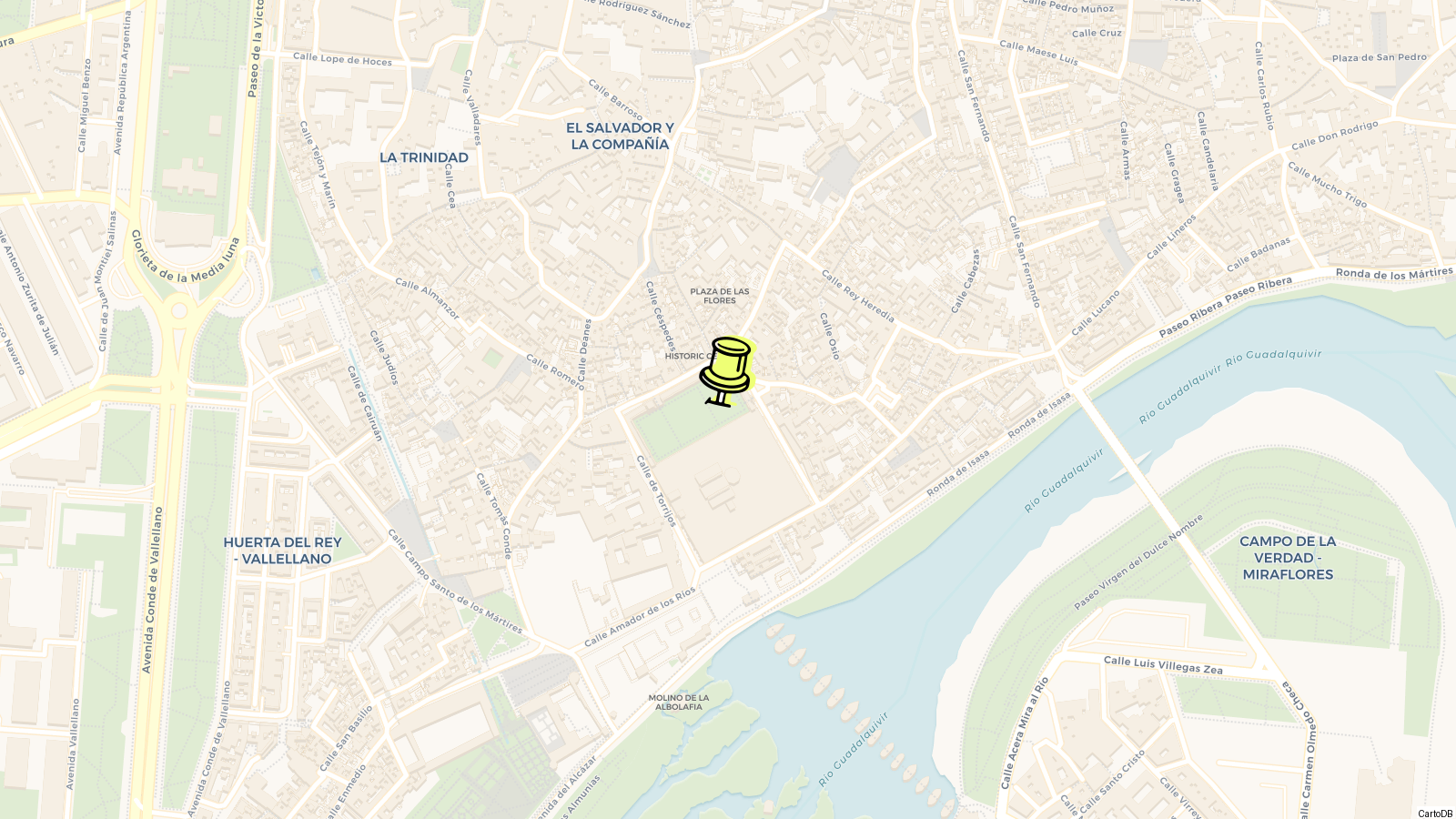
Entry to the Mosque-Cathedral costs €15 for adults as of 2026, with reduced prices for over-65s, students, and children, and free tickets for kids under 10 and local residents. You’ll find it at Calle del Cardenal Herrero 1, right in Córdoba’s Jewish Quarter, less than two minutes’ walk from the old river bridge. Its coordinates are 37.8789 N, –4.7793 W, if you’re navigating by map.
A UNESCO World Heritage Site since 1984, the Mosque-Cathedral starts out as an 8th-century mosque and then gets a Renaissance-era cathedral planted right in the middle. The interior looks like a forest of 850 columns and double-arched arcades, there’s nothing like it anywhere else in Spain. Mass is still held daily but at most times it’s all tourists, plus the odd school or architectural group sketching. This is not a museum: it’s a religious building that has flipped from mosque to cathedral and back again at different points in Córdoba’s history.
The structure sprawls over 180 by 130 meters. Most people come for the vast prayer hall and the famous mihrab (prayer niche inlaid with Byzantine mosaics), but you’ll also find dozens of small side chapels, and a courtyard full of orange trees where everyone takes their photos. The bell tower was built over the site of the original 10th-century minaret, now you can climb it for €4 (free if you’re a Córdoba diocesan resident).
You can visit most days between 10:00 and 19:00 (March–October) or until 18:00 (November–February), but on Sundays and religious holidays you get an early morning and late afternoon split. Last entry is half an hour before closing. If you show up between 8:30 and 9:30am Monday to Saturday you get in for free, but this slot is meant for quiet visits, no groups or guided tours allowed. That’s the best time to visit if you want the columns mostly to yourself.
The Mosque-Cathedral sits inside the historic centre, surrounded by narrow, mostly pedestrian streets, tapas bars, and souvenir shops that feed on the crowds shuffling in and out. The nearest bus stops are ‘Puerta del Puente’ on lines 3 and 12. From the train station, you’re looking at a 20-minute walk or a quick ride on those same bus lines. The building is wheelchair-accessible across almost the whole ground floor. If you want the full story about the fire that hit the Chapel of Expectation in August 2025, restoration is ongoing and the affected area is off-limits until mid-2026.
Mosque or Cathedral? Why Not Both
The building started as a mosque in 786 under Abd al-Rahman I, grabbing columns and stones from Roman and Visigothic ruins nearby. After Córdoba fell to Castile in 1236, a cathedral nave was plugged into the heart of the mosque, but much of the original was left as is. Over the centuries, chapels, tombs, and baroque retables snuck into side corners. “Forest of arches” isn’t poetic license, you literally have to weave around rows of columns as you explore.
Don’t Miss: Early Entry or Night Visits
If you really hate crowds or want photos without people in the frame, arrive right at 8:30am on Monday–Saturday for the free “quiet hour.” The paid night tours (“El Alma de Córdoba,” €25, English audio included; book ahead) are a totally different vibe, candles, lighting effects, and far fewer visitors in each group.
History
The original mosque was built in 785-786 by Abd al-Rahman I, who kicked off this whole timeline by buying out a Christian basilica that supposedly stood here, a move that’s still debated among archaeologists, but there are Late Roman or Visigothic fragments on display under the floor today if you’re curious. That first version reused marble columns and bits from older Roman and Visigothic buildings, so you’ll spot plenty of mismatched stonework.
Fast forward: his descendants expanded the building four more times across 200 years. Abd al-Rahman II extended the prayer hall south in the 830s and started using locally made capitals rather than just scavenging old ones. Abd al-Rahman III, the same guy who upgraded Córdoba to “caliphate” status, added the minaret (finished in 958) and beefed up the courtyard. Al-Hakam II didn’t hold back either, he built what’s basically the architectural highlight: the mihrab and the maqsura, loaded with gold mosaics courtesy of Byzantine craftsmen. Those mosaics are still a draw, and the arches and roof domes above that area are from his time.
When Almanzor came along in the late 900s, he couldn’t extend the mosque further south because of the river, so he just shoved the whole thing east by almost 50 meters and added another eight naves, turning the place into a maze of columns on the inside. He also famously stole the bells from Santiago de Compostela (!) and repurposed them for the mosque’s chandeliers.
Mudéjar Labor Tax
After the city was taken by Castile in 1236, the mosque was quickly converted into a cathedral. What’s wild: for years after the takeover, the cathedral actually hired local Muslims as builders and repairmen. But even that got bureaucratized, Mudéjar (Muslim under Christian rule) stonemasons and carpenters had to work two full days a year as a kind of labor tax owed to the city. This rule only applied in Córdoba, and it was a way for the cathedral to keep the building from falling apart even when short on cash. The Mudéjars were actually considered the architectural experts, which is probably why so much of the original design stayed intact.
The Christians barely touched the structure at first, just added altars, tombs, and eventually the Royal Chapel in the 1300s, which is deep in Mudéjar style (think: Islamic patterns carved in plaster, but built for Catholic kings). By the 16th century, local bishops wanted a proper cathedral nave jammed into the middle of the old mosque, so you get this sudden vertical section of Renaissance stonework in the heart of the building. Charles V approved it, but legendary quote: once he saw the result, he’s said to have muttered, “You have built what you or anyone else might have built anywhere; to do so you have destroyed something that was unique in the world.”
The mosque’s minaret? It’s inside the current bell tower, literally encased and hidden, thanks to a 17th-century rebuild after a storm. The structure under those Renaissance layers is original.
Renovations, Restorations, and a 2025 Fire
Starting in the 1800s, a bunch of restoration projects began peeling back layers to show off the Islamic-era design (scores of Baroque details were removed in the Villaviciosa Chapel). Extensive restoration went on through the 20th and early 21st centuries, file this under “Spain’s evolving attitude to Moorish heritage.” One major stretch ran from 1991 to 2014 on the bell tower, and more recently the transept and choir got fixed up between 2006 and 2009.
The most recent drama: on 8 August 2025, a fire broke out in the Almanzor extension, damaging the Chapel of Expectation and causing the roof to collapse when firefighters soaked it. Restoration was underway as of fall 2025, with a mid-2026 finish target.
For more than a millennium, almost every power that controlled Córdoba left a visible mark. That’s why you see everything from ninth-century Arabic flourishes, to Renaissance chapels, to 21st-century conservation signs, sometimes in the same sight line. Officially, this place became a UNESCO World Heritage Site in 1984 (joint with the city’s historic center since 1994), and there’s nothing else in Spain’s built environment that records its marching armies, jealous kings, and religious about-faces this vividly, row by row of stone.
Visiting
You enter on Calle del Cardenal Herrero, 1, right by the Guadalquivir river and at the edge of Córdoba’s old Jewish quarter. Expect a quick bag scan. The first thing you’ll walk into is the Patio de los Naranjos, the old mosque courtyard, now planted mostly with orange trees and lined by fountains and arcades. This is the place to pause early in the morning, when it’s still empty and you can hear birds instead of tour guides.
From the Patio, most people funnel into the main prayer hall. It’s darker than expected; your eyes need a second to adjust. Columns, hundreds, stretch in every direction. Some are marble, others onyx or granite, recycled from Roman and Visigothic buildings. Look up: the double red-and-white arches really do break up the room like no other building in Spain. It can get crowded, but if you come at 8:30–9:30am Monday to Saturday, entry is free and group visits are banned, so you’ll have the space nearly to yourself.
You’ll be drawn towards the south wall where the mihrab is, a small, ornate horseshoe arch framed by Byzantine mosaics (lots of gold tile). It’s barely big enough for one person to enter, but it used to direct an entire congregation’s prayers. The nearby maqsura, where the emir once stood behind his own arches, is another dense knot of columns and interlaced patterns. Most visitors miss the detail: not only the mosaics, but also Arabic inscriptions, and delicate marble carving up close.
Head back up through the Villaviciosa Chapel, the transition zone between mosque and cathedral. Here, a ribbed Moorish dome hangs over one space, then a Gothic vault takes over just a few meters away. The main nave of the Renaissance cathedral is grafted right into the middle of the old mosque, with its own high altar and pipe organ. Mass is still held here and the choir stalls are thickly carved in dark wood, if slightly overshadowed by the marble and gold further back. Walk the perimeter to find small chapels, dozens of them, running around the edges, each with its own artwork, tomb, or baroque ornament.
Back in the courtyard, the bell tower dominates. Climb it for €4 if you want the best view over the city’s rooftops and the Guadalquivir. Entry is timed and tickets sometimes sell out, so book ahead if it’s a priority.
For an entirely different mood, “The Soul of Córdoba” is a night visit with projections and music, giving you a quieter, almost cinematic walk through the spaces (tickets are €25, bookable online only, check mezquita-catedraldecordoba.es for availability).
Step-by-Step Walkthrough
- Patio de los Naranjos: Enter via the Puerta del Perdón, take time to loop the arcade, especially the west side for older stonework. The central fountain is used for ablutions and is a popular photo spot. Stand near the northeast corner to find excavated Roman mosaics behind glass.
- Prayer Hall: Main entrance is through the “Puerta de las Palmas.” The first few naves are 8th–10th century, with the best-preserved capitals. Follow the central nave south; the transition from original mosque floor to later expansions is visible in the tile and column spacing.
- Mihrab and Maqsura: Enter via the second right aisle, as central access can be blocked during Mass. The mihrab’s mosaics are most vivid from the right angle when the sunlight cuts through late morning.
- Cathedral Core: The high altar is cordoned off during services, but you can walk around the nave’s edge. Note how the stone shifts from Moorish reddish-brown to 16th-century white limestone and intricate wood.
- Side Chapels and Museum: The north and east walls house smaller chapels, some with 14th and 15th-century tombstones and paintings. The Treasury (Sacristy) sometimes has gold-embroidered vestments on display.
Tickets, Busiest Areas, and Logistical Surprises
- Tickets are scanned at the entrance, physical or on your phone. Queue times spike 10–11am and 1–3pm, so arriving at 8:30am for the free hour or after 3:30pm often means less crowding.
- Last entry is 30 minutes before closing time.
- The bell tower’s spiral stairway is narrow; if you’re claustrophobic or carrying a big bag, skip it. The best photos of the arches come from the southwest corner, where most group tours don’t concentrate.
- Most of the building is wheelchair-accessible, but the bell tower is not.
Tips
-
Buy tickets online at mezquita-catedraldecordoba.es to skip the headache of the on-site line, especially in spring and autumn when Córdoba is packed.
-
The quietest (and cheapest) way in: Monday to Saturday between 8:30am and 9:30am is free for individual visitors, and group tours aren’t allowed in that slot. You have to be out promptly at 9:30, they will usher you toward the exit when the paid visitors start entering.
-
A “standard” visit is about one hour, but if you want to see every chapel and read the info panels, clock closer to 90 minutes.
-
The Bell Tower is a separate ticket (€4), with set entry times and a steep spiral staircase, no elevator. Book this online too, since slots are limited.
-
There’s basic accessibility throughout most of the monument, including ramps and accessible bathrooms.
-
“The Soul of Córdoba” is a night tour with audio-visuals and limited spots (€25 general, €18 reduced), and has to be booked in advance. Only do this if you’ve never seen the building before, it’s atmospheric, but you’ll miss some details.
-
Photography is allowed, but no flash or tripods. Phone cameras are fine. Filming can be a gray area, staff might intervene if you look too pro.
-
Dress code is casual but respectful (it’s a functioning cathedral). Tank tops and super short shorts raise eyebrows.
-
Avoid weekends and public holidays if you want to move at your own pace. May is especially busy, the city’s flower festival (Patios de Córdoba) brings in loads of tourists.
-
No bulky backpacks or suitcases allowed. There are lockers just inside the entrance for small bags.
Bell Tower tickets: what to expect
Bell Tower access is timed and groups are let up in slots every 30 minutes. Stairs are tight, and once you’re at the top, the viewing area is narrow but the city and river views are worth it if you don’t mind heights.
Free entry loophole
The 8:30–9:30am free visit is no secret, so if you want near-empty arcs for photos, line up before 8:30, by 8:20 there’s already a small crowd. Once in, go straight for the mihrab and sanctuary before the groups catch up.
Know this destination? Help us improve
Your local experience is valuable to other travelers.