Almagro
Red clay from ancient “al-magra” colors Almagro’s Plaza Mayor and old center with its unmistakable ruddy glow

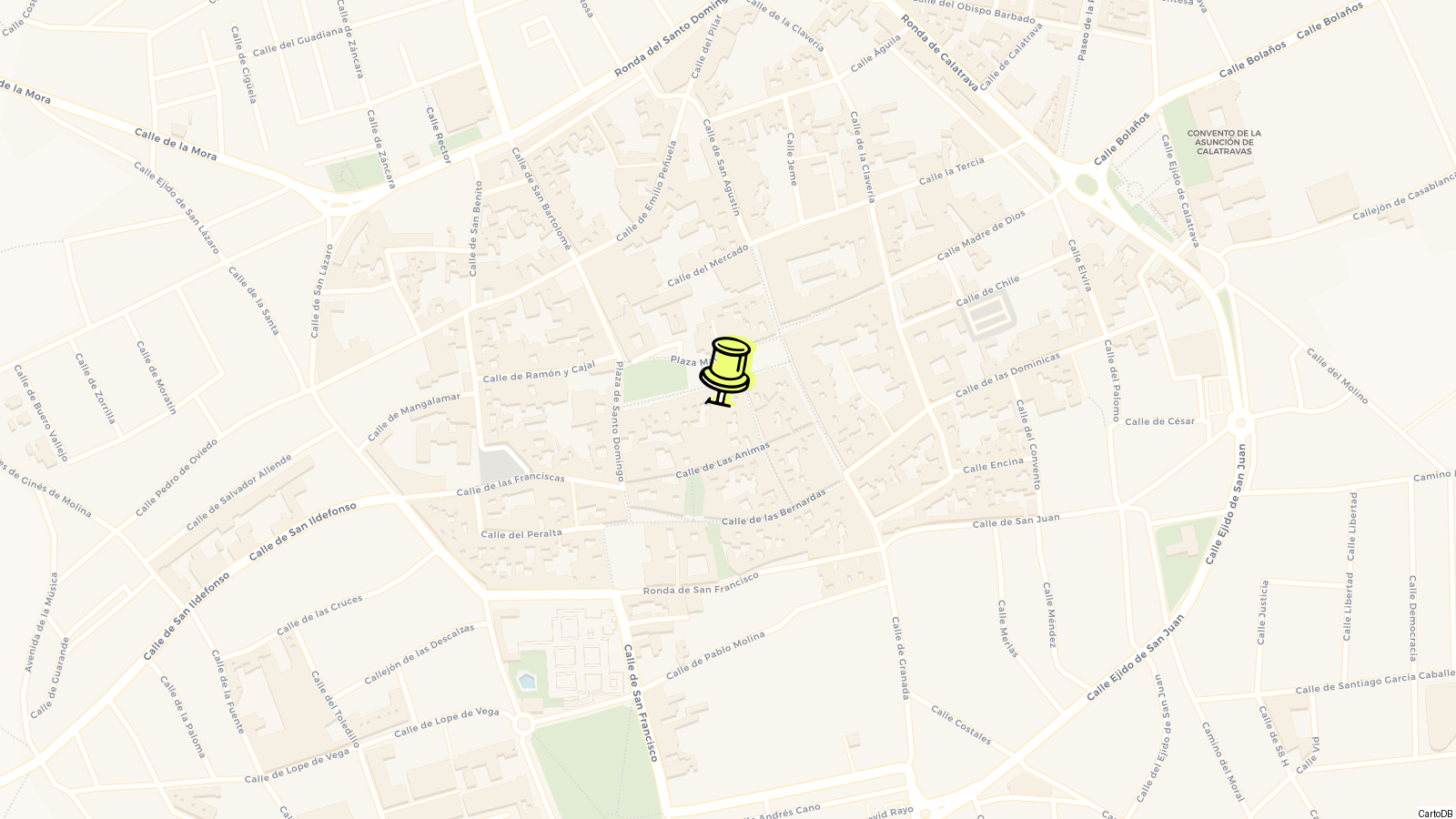
Overview
Almagro sits 646 meters above sea level in the middle of Castilla-La Mancha, and the place name really does come from the red clay (“al-magra”) that gives the main square and much of the old center their ruddy color. This is a 10,000-person town (9,709 as of the end of 2025, up by about 500 in four years) where life still revolves around the arcaded Plaza Mayor and the old shadowy streets branching from it.
People come here specifically for Almagro’s theater roots. The Corral de Comedias is the only 17th-century open-air playhouse of its type left in Spain, and it’s not just for show: the International Festival of Classical Theater fills the town every July, with tickets for major performances between €10 and €30, and a six-show “gold pass” at €130 if you’re ambitious. Even off-season, the corral runs tours and occasional family performances, where kids pay €16 and their grown-ups get in free if they’re outnumbered.
August is when things feel properly “manchego”, the town fills for the Feria de San Bartolomé (23–28 August), and during the rest of the year you bump into as many Spanish visitors here for a weekend as locals.
Hot, dry summers (it’s officially “cold semi-arid”) mean the Plaza Mayor is full of people eating late and ordering small, pickled “berenjenas de Almagro”, tiny eggplants that are so typical you’ll spot jars of them in every shop window. Official tourism info is actually useful (www.almagro.es), and the town’s compact core means you never need a car. Spanish is the only language that gets you far, and all business runs on Madrid time.
History
King Alfonso X “the Wise” set up the Castilian Cortes in Almagro back in 1273. The town came onto the larger stage early, and you’ll still hear locals quietly proud that Almagro got the nod centuries before many bigger cities even formed.
The town’s name comes from the Arabic al‑magra (red clay), but the last millennium here wasn’t quiet mud-brick village life. In the late Middle Ages, Almagro was already a significant point for royal business and local power, which shows in scattered Gothic columns and mudéjar details if you know where to look. The real jump, though, came with the arrival of the powerful Order of Calatrava; their headquarters landed here, and suddenly Almagro started punching above its weight on the La Mancha chessboard.
From 1750 to 1761, Almagro was officially the capital of the old La Mancha province. If that sounds bureaucratic, just know that those eleven years brought a rash of building, and a lot of the grand stone facades and elaborate doorways that survived the centuries trace back to this short boom period.
In the 19th century, the railroad arrived. The Daimiel–Almagro line opened on January 21, 1861, and with it came new industries, mostly agricultural processing and trade. You’ll notice how some of the brick warehouses and outbuildings around the train station date to this time, a distinct style compared to the earlier baroque and Renaissance houses up in the center.
The Corral de Comedias is the most famous survivor from the early modern era. Built in the early 1600s on the Plaza Mayor, it’s the only preserved open-air theater from Spain’s Golden Age that still does what it was built for: real performances, packed benches, and all. UNESCO didn’t slap a sticker on it, but the Spanish government declared the whole historic center a Conjunto Histórico‑Artístico in 1972, slightly ahead of the wave of restoration money that hit other towns. The current mix of regular life and monument-status is exactly what keeps Almagro feeling more real than a lot of Castilla-La Mancha’s museumified towns.
The Golden Age, Theaters, and Plaza Mayor
The Plaza Mayor you see today, long, green-shuttered and designed for markets, processions, and not-so-genteel arguments, took its shape in the 16th and 17th centuries. The Fugger family, German bankers to the Habsburg emperors, were granted mining and mercantile privileges here in exchange for providing loans to the Crown. Their money bankrolled everything from iron mines nearby to the huge granaries that kept armies (sometimes) fed. That international cash flow gave Almagro a cosmopolitan twist for a few generations.
The Corral de Comedias itself started as an inn with a courtyard for traveling merchants and pilgrims, but quickly morphed into a permanent theater. By the late 1600s, performing companies would swing through Almagro almost as often as they did Madrid, attracted by the large crowds of traders on market days.
20th Century Survival
Almagro’s renaissance in the last few decades has revolved mostly around culture and theater. The annual Festival Internacional de Teatro Clásico kicked off in 1978 and reset the town’s identity, drawing in Spanish and international fans alike each July for performances in the Corral and other historic venues. Citywide preservation efforts, plus slow but steady population growth (now above 9,700 as of 2025), have kept it lively, unlike dozens of nearby former market towns now half-abandoned.
Visiting
You don’t come to Almagro to just stroll the Plaza Mayor (though you should: the green-painted galleries and red clay pavement are the center of town). The main reason people make the trip is the Corral de Comedias, a working 17th-century open-air theater with actual performances much of the year. Book a guided visit or tour (individual tickets €21–€25, residents from €14, family shows €16 per child, includes one adult per two kids free), then stand on the same wooden boards where Spanish actors have performed since the 1600s. You’ll get access to the stage, the box seats, and the wooden galleries above. The audio guide is actually worth it if you don’t know Spanish, stop by the ticket counter for one.
In July, the entire town morphs into a festival venue for the Festival Internacional de Teatro Clásico. Tickets range €10–€30 for a main event, but there are budget shows (“Almagro Off” and “Barroco Infantil”) from €5–€15. If you’re planning a binge, the “Gold Pass” gets you six shows plus some festival swag for €130. Check online early, the best performances and historic courtyards sell out way before July.
Festival time means pop-up performances in odd corners, patios, churches, and even the streets. Locals take their drama seriously, and tickets for main events at the Corral or Plaza Mayor fly. Discounts: 30% off Sunday shows from the national company (CNTC), 40% off Wednesdays (“Spectator’s Day”), and half price for groups of 40+ on off-peak days. Wheelchair users can pre-book remaining accessible seats by emailing reservas@festivaldealmagro.com or at the box office before 2pm.
Most people buy the multi-site pass (“bono visita”) at the tourist office (Plaza Mayor, south side, open Mon 10–14h, Tues–Sun 10–14h & 17–20h from April 1–June 22), which gives access to five main sites for €11 (€7.50 reduced): Corral de Comedias, Museo del Encaje y la Blonda (bobbin lace museum), Iglesia San Agustín, Teatro Municipal, and another monument, usually San Bartolomé. All are an easy walk from the main square, and opening hours are generally Tuesday to Sunday, 10–14h and 17–20h in spring.
The Museo Encaje y la Blonda covers the local lace trade, with live demonstrations some mornings. Iglesia San Agustín isn’t just a church, go for the painted vaults, which look like wedding-cake icing gone overboard. The Teatro Municipal, a bit grander than the Corral, is where you’ll see off-season concerts or school performances. San Bartolomé is tiny but has a dark, gilded baroque altar worth a peek.
You’ll run into trays of “berenjenas de Almagro” (pickled eggplants with pepper and cumin) everywhere, especially in bars ringing the square. Order a plate as a tapa with a vermouth or cold beer, this is the classic combo.
If you’re in town in August, stick around for the Romería de la Virgen de las Nieves (5th) or the San Bartolomé festival (23–28th). Both mean fireworks, music, and late-night food stalls filling the whole center with crowds.
The town center is flat and compact, nothing is more than 10 minutes’ walk from Plaza Mayor. Bring decent shoes if you want to wander the side alleys: the stone setts are uneven and unforgiving (especially after a couple of wines). For map, hours, and last-minute festival news, the official source is www.almagro.es.
Tips
-
Tourist info offices are on Plaza Mayor or at the train station. From April 1 to June 22, the main one is open Monday 10:00–14:00, Tuesday to Sunday 10:00–14:00 and 17:00–20:00. Always check the municipal website if you hit town outside those dates, hours change seasonally.
-
The local “bono visita” (multi-site ticket) covers Corral de Comedias, Museo Encaje y Blonda, Iglesia San Agustín, Teatro Municipal and other landmarks for €11 full price, €7.50 reduced. Buy at the tourism office, cash or card both are fine.
-
Want a spot for the classical theater festival? Standard tickets run €10–30, but Wednesdays are “Spectator’s Day” and prices drop 40%, with an extra 30% off CNTC shows on Sundays. There’s also a festival Gold Pass (€130) if you binge shows. Children’s and youth programming (“Barroco Infantil” and “OFF”) cost €5–15 a seat.
-
Corral de Comedias tickets outside the festival cost €21–25 for most seats, cheaper if you’re local (zone A goes down to €14 with DNI). One adult free for every two children’s tickets (€16/child for family shows).
-
If you use a wheelchair, reserve your festival spot ahead of time at reservas@festivaldealmagro.com (or box office by 2pm show day). Most venues in the center have step-free entry.
-
Don’t expect shops or restaurants to be open mid-afternoon. Siesta is still real here, especially in summer. If you want a coffee or snack, hit a bar near Plaza Mayor between 2:00 and 5:00, everything else is likely closed.
-
Local food is sold in corner stores (“ultramarinos”) and the covered market off the main square. For the best local pickles (berenjenas de Almagro), skip supermarkets and ask for “berenjenas caseras” at markets or the ladies who set up stalls on market days.
-
Almagro is hot from June to early September, temperatures break 38°C a few days most years. Bring sunscreen and a hat if you’re out after noon in summer.
-
No Uber or Cabify, but town is walkable. The only taxi stand is by the train station; if it’s empty, the station agent will call one for you. Buses to Ciudad Real run from the small station next to the railroad. Cash only for local buses.
Festival ticket tricks
- Groups of 40+ get half-off tickets Tuesday–Thursday and Sunday, but you’ll need to organize in advance through the festival site.
- If you find the main shows sold out, try the “OFF” circuit, which uses secondary venues and is much more likely to still have seats.
Food intel
- Order the local “duelos y quebrantos” (bacon and eggs with chorizo) for breakfast at any cafeteria off Plaza Mayor, slightly greasy, ultra-local, and usually under €8 with bread and coffee. Pisto manchego and berenjenas de Almagro appear at most lunchtime menus, most reliably at traditional spots close to the Plaza.
- Market days are Friday and Saturday, usually peaking between 10:00 and 13:00.
Know this destination? Help us improve
Your local experience is valuable to other travelers.