Toledo Cathedral
Gothic arches soar above a gold altarpiece and 750 stained glass windows,come 2026, this place marks 800 years since Ferdinand III broke ground.

Essential info
Visit details
Overview
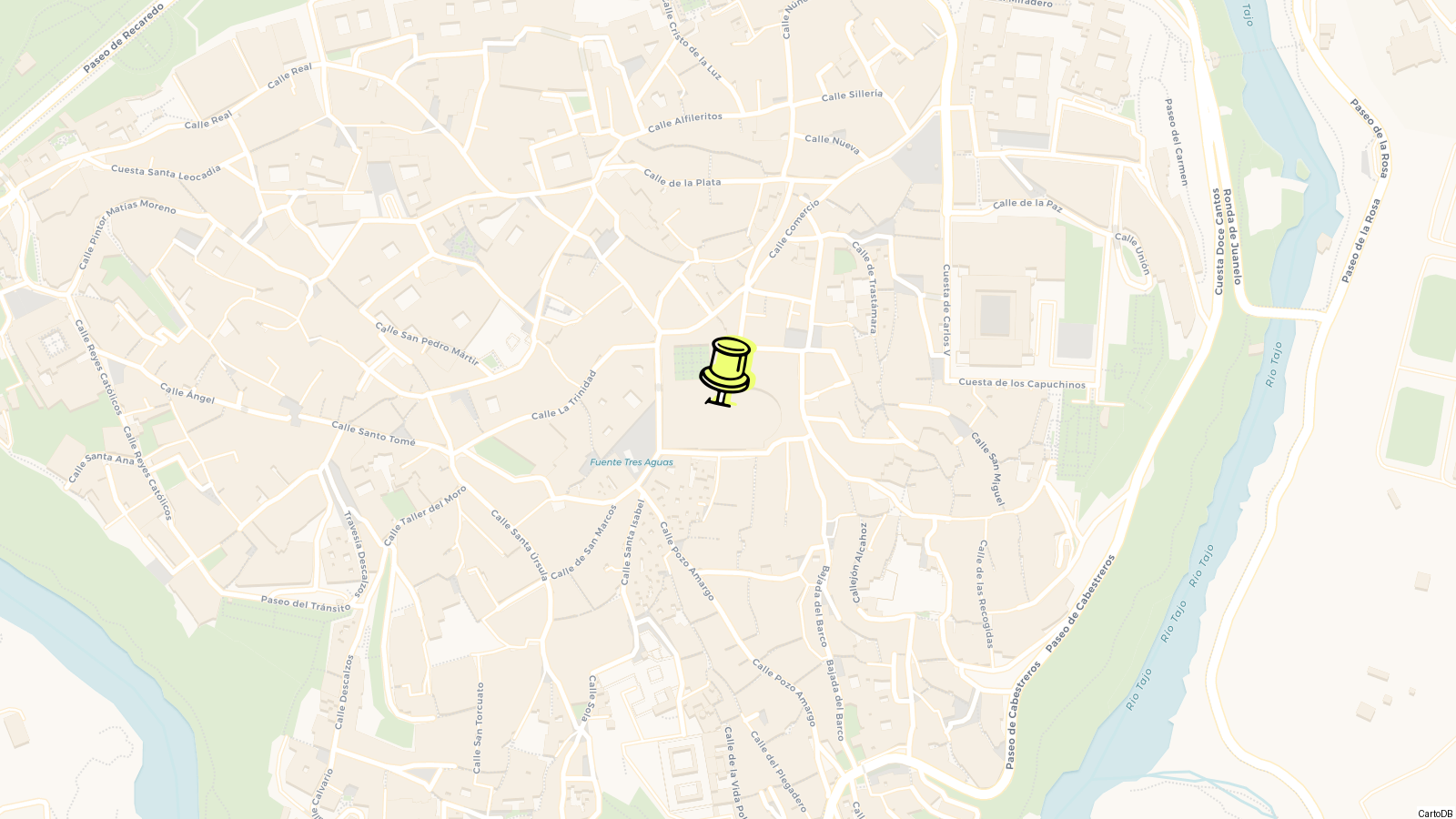
If you want specifics, start with this: construction on Toledo Cathedral began in 1226 under Ferdinand III, and it’s hitting its 800th anniversary in 2026. This is not a “pop in for five minutes” church. It sprawls 120 meters long, 59 meters wide, and hits 44.5 meters high in the main nave. It sits at 531 m above sea level at 39.85708 ° N, −4.02389 ° W, and you can find all official info at catedralprimada.es.
Don’t expect a sleepy provincial church. For centuries, Toledo Cathedral has held the official “Primatial” rank for all Spain, set by Pope Urban II back in 1088, so it’s the top dog in the Spanish Catholic world. The entire eastern end was built over the old city mosque after Alfonso VI’s reconquest, which means traces of its past, like the five-nave plan, are built right into the floorplan. You’ll spot Mudéjar details and arches if you pay attention, leftovers from that earlier era.
It’s known for being one of three “High Gothic” cathedrals in Spain, and it’s often called the top example of the style. The bulk of the work happened between 1226 and 1493, though every century since has left its fingerprints, especially in the stained glass, the side chapels, and the enormous baroque “Transparente” altarpiece later on. The tower (look for the spire) is 92 m tall and was only possible thanks to master builders Alvar Martínez and Hanequin de Bruselas.
Toledo Cathedral is not a free museum, but you actually get what you pay for: €12 for adults, with special rates down to free for city residents, kids under 8, and a few other categories. Cultural visits run Monday–Saturday 10:00–18:30 and Sunday 14:00–18:30, all through the Puerta Llana entrance. They’re strict on entry times. Check for special hours on holidays.
Details to know before you walk inside
Don’t miss the Mozarabic Chapel, services still follow the old Hispano-Mozarabic rite, which is rare in Spain. The Treasury houses art by El Greco and Goya alongside relics and medieval valuables (the huge 16th-century monstrance is famous during Corpus Christi). The cloister sits on what used to be a Jewish commercial area. If you see uneven sections or jarring differences in style, that’s because new chapels and features were grafted on across centuries,16th-century archbishops couldn’t help themselves.
Special anniversary events (especially in 2026) mean extra night tours and even light shows, check the website for dates and availability. There’s also a combined ticket for the “Cathedral and Lumina” son et lumière show, but it’s pricier (€33).
For accessibility: a 2025 agreement with the ONCE Foundation aims to make more areas barrier-free, but not every entrance is level yet.
History
You’ll spot a marble pillar near the back of the nave claiming the church here was re-consecrated on April 13, 587, back in Visigothic times. The cathedral sits on real estate that’s been sacred ground through several centuries of drama: Visigothic church (at least by 587), major city mosque (after 711), and finally its current life as the primate cathedral from the late 11th century. Skip ahead to 1085, when Alfonso VI reconquered Toledo. Out went the mosque’s minaret, in went a bell and a quick Christian altar, sparking such a row that legend says the king almost executed those responsible, only relenting when Muslims in town called for calm. You can still see Islamic spolia if you look: a recycled mosque column in the Chapel of Saint Lucy and caliphal arches worked into the triforium upstairs.
The mosque-turned-cathedral kept standing for another century. In 1226, work on a brand-new Gothic building began under King Ferdinand III. Rodrigo Ximénez de Rada, the driving archbishop, wanted a proper French-style cathedral, tall, luminous, with five naves instead of the usual three, and plenty of stained glass. The floor plan matches the old mosque’s big prayer hall. They laid the cornerstone with the king present. If you visit now, the foundations and main structure you’re walking through are still the 13th-century core.
Originally, the money to build this Gothic monster came largely from annexing the revenues of Alcalá de Henares (1129) and further tithes wrung from newly Christianized territory. Petrus Petri (Pedro Pérez, died 1291) gets his own tomb and inscription as “master of the church of Saint Mary of Toledo.” But modern historians say the first head architect was a Frenchman, Master Martín, who appears in documents as early as 1227 (he probably oversaw the ambulatory and chapels). Petrus Petri simply finished more visible parts years later, as the construction slogged along across generations.
The work didn’t really wrap up until 1493, when the last vaults were finally closed under Cardinal Mendoza. This means the cathedral is basically a showcase for the evolution of high Gothic in Spain: what starts out pointed and French inside quickly gets mixed up with Spanish Mudéjar, horseshoe arches, multifoil windows, Islamic stonework mixed into Christian plans, especially if you explore the cloister or poke your head into the triforium and the older chapels.
Pop outside: the lone tower (the south tower was never built because the ground was unstable) was started by Alvar Martínez in the early 15th century, then finished with its current octagonal spire by Hanequin de Bruselas a few decades later. The cloister went up between 1389 and 1425 on the site of what had been the city’s Jewish commercial district; Archbishop Pedro Tenorio was the money and will behind that one. There’s a streak of practicality in this ongoing process: over time, each new archbishop, cardinal, or royal favorite wanted to leave their stamp, building new chapels, adding screens, or tacking on more grandeur.
Look closely at the Mozarabic Chapel in the southeast corner, built from 1531 to 1534 by Alonso de Covarrubias. It’s still the one part of the cathedral where the Hispano-Mozarabic rite, a rare local surviving variant, is performed.
Several other chapels reflect waves of Toledo’s history in miniature. The Chapel of the Old Monarchs houses tombs relocated to clear space for Mendoza in the main sanctuary. The Chapel of the New Monarchs was a 16th-century expansion project for the Trastámara lineage, complete with Renaissance-style vaults and sepulchers. Each has its own story of power, money, and shifting fashion. In the Cathedral treasury (the Chapel of the Treasure, built in 1537), you’re seeing a collection kept in this spot only since 1870.
The main altarpiece, jammed full of late-Gothic carving, was built between 1497 and 1504. Cardinal Cisneros, who also funded the Mozarabic Chapel, went on a huge building spree, hiring Juan Francés to craft the Mozarabic Chapel’s ironwork screen and commissioning the giant retablo from a whole squad of artisans: Enrique Egas, Pedro Gumiel, Francisco de Amberes, and others. The result is a building where each century’s mood and ego come layered atop the next.
Toledo Cathedral’s “primatial” title, granted by Pope Urban II in 1088, still holds. You’ll see that term everywhere, from the name on tickets to the signs leading to the Puerta Llana entrance. That’s not just for show: it means precedence over every other cathedral in the Iberian Peninsula.
In 2026, they’re making a big deal of the 800th anniversary since work started. The cathedral you see now is an earnest physical record: Visigothic, Islamic, Gothic, Renaissance, Baroque, all spliced together and reworked by each era’s priests, architects, and power brokers.
Visiting
You enter through the Puerta Llana, yes, the “Flat Door” is at street level, and it’s the only step-free entrance, which is good to know if you’ve got mobility issues or just hate stairs. Check the hours: Monday to Saturday, 10:00–18:30, and Sunday, 14:00–18:30, with last entry 30 minutes before closing. Tickets are sold at the shop facing the entrance or online via catedralprimada.es, adults pay €12. Kids 8–14 with family pay €6, and under 8s are free. Seniors, students, and a few other groups get €8. Combined tickets for special audiovisual “Lumina” events are €33, but the basic ticket gets you into everything except those night shows.
You start in the nave, it’s massive, built to fit on the footprint of Toledo’s old mosque. Don’t just stare up at the vaults (44.5 meters, in case you’re collecting numbers). Circle the choir, where you’ll find a parade of carved misericords and the wooden choir stalls, stuffed with detail. The main altar is fronted by a soaring Gothic reredos carved with scenes from the life of Mary, all gold, polychrome, and almost too much to take in at once.
Most people drift straight to the Transparente, a Baroque altar window cut through the ambulatory, lit up by a shaft of daylight. It’s so over-the-top that it basically defines “extra” in 18th-century Spanish religious art. Keep an eye out for the El Greco in the Sacristy, plus works by Goya and Caravaggio, yes, the cathedral feels like a museum as much as a church.
Swing down the side aisles and you’ll hit the Chapel of the Treasure, doubling as the cathedral’s treasury since 1870. Check out the giant gold monstrance that leaves the building only once a year (Corpus Christi). If you have time, duck into the Mozarabic chapel, services here still use the old Hispanic Rite.
Deeper dive: What’s worth lingering on
The cloister (built 1389–1425) is quieter and you’ll see traces of the Jewish commercial district that once stood here before construction, plus some soft Mudéjar flourishes. The stained glass in the nave, much of it medieval, is a good read on Toledo’s historical wealth.
If you’re up for stairs, climb the 250 or so steps up the tower (when open, sometimes they close it for restoration or events). It’s not included in the basic ticket and is sold separately, but the views over the city are solid, and you’ll pass by the massive bells.
If you’re coming during a major festival like Corpus Christi or certain saints’ days, expect abbreviated hours and a good bit more local traffic inside. The staff are used to herding tour groups, but it’s easy to slip off the main route into one of the smaller chapels or just park yourself in the nave to watch the way light shifts through the space.
For 2026, there are special nighttime “Lumina” walk-throughs with sound and light projection shows, those are pricier and must be pre-booked, but they’re the closest thing the cathedral gets to a party.
Accessibility
Since late 2025, there’s been a push for universal accessibility. If you’re worried about steps or narrow doors, staff will try to help, especially through the Puerta Llana. Some chapels and upper areas remain trickier, but ground-floor routes are now mostly barrier-free.
Photography
Photography is allowed for the most part (no flash during services). Some guards will ask you to keep it discreet, especially in side chapels, but it’s not the kind of church where you get yelled at for taking a photo unless you’re being especially obnoxious.
Tips
-
Book in advance if possible, especially for weekends, public holidays, or during the 800th anniversary events in 2026. Tickets do sell out for popular time slots and for special night tours. Use the official site for direct purchase.
-
Entry is €12 for adults. Reduced prices: €8 for seniors (65+), students under 18, youth card holders, large families, and people with disabilities (up to 64%). Children 8–14 are €6 if accompanied by an adult. Kids under 8 enter free. Bring documentation for discounts, staff do check.
-
The combined ticket for cathedral entry plus the Lumina night experience is €33, while Lumina alone costs €24.90 for anyone over 9. This is a high-tech audiovisual show and only runs on certain dates.
-
Tickets are timed and only valid for the day and slot you book. No re-entry once you leave. The last admission is 30 minutes before closing.
-
You have to enter through the Puerta Llana (the one at street level on the south side). Skip the impressive western doors, they’re not used for tourists.
-
For peace and photos, show up at the 10:00 opening (except Sunday, you’ll have to wait until 14:00), or one hour before closing. Groups crowd the main nave between 11:30–15:00.
-
Photography is allowed (without flash/tripod), but always double-check if there’s a special event or mass, sometimes restrictions kick in.
-
Dress code is real: no hats, mini-shorts, or bare shoulders. Security at Puerta Llana will stop you if you look too beachy, bring a scarf or light cover in hot months.
-
The ticket includes a handheld audio guide (multi-language). Return it at the gift shop opposite the entrance; you’ll need to swap your ID as a deposit.
-
Sundays and special Catholic feast days mean shortened hours and, sometimes, section closures. If you want the full experience, avoid these unless you’re coming for Mass.
-
For the treasury, El Greco paintings, tower, and cloisters: be methodical. Most tour groups march straight to the choir and high altar, so double back to the side chapels when crowds are thick.
Tower Access and Special Tours
Standard admission doesn’t include climbing the bell tower. Guided visits to the tower are offered at set times, typically once in the morning and once mid-afternoon, for an extra fee paid at the ticket desk (5–7 euros). Tours climb steep, narrow stairs and cap groups at 20, so book right at opening if it’s a priority.
The Lumina show uses projection mapping and music after dark; check the schedule as it only runs a few nights per month, mostly in the spring and fall. The experience is different from standard night-time illumination.
Storage and Facilities
There are no lockers, travel light and skip bringing big bags, which you may be asked to check at the front. Restrooms are just past the ticket check, but lines are common on crowded days. There’s wifi in the shop and vestibule; no code or purchase required.
-
Ticket-only entrance is enforced, don’t try to slip in for free, except if you’re a Toledo resident or a priest, in which case bring proof (DNI or clerical ID).
-
If you have extra time, visit at lunch (14:30–16:00), most tour groups break for comida then, and you’ll have the nave almost empty.
-
The cathedral’s ticket is not included in city tourist cards; it’s always separate. Buy digital, or in-person at the shop opposite Puerta Llana.
-
On Corpus Christi or Easter Week the rules change, some areas close for ceremonies, city streets fill up, and police re-route foot traffic. Double-check details on the official website before banking on a specific visit window.
Know this destination? Help us improve
Your local experience is valuable to other travelers.