Castle of Marvão
A castle on a crag at 867 m, with all of the Alentejo below

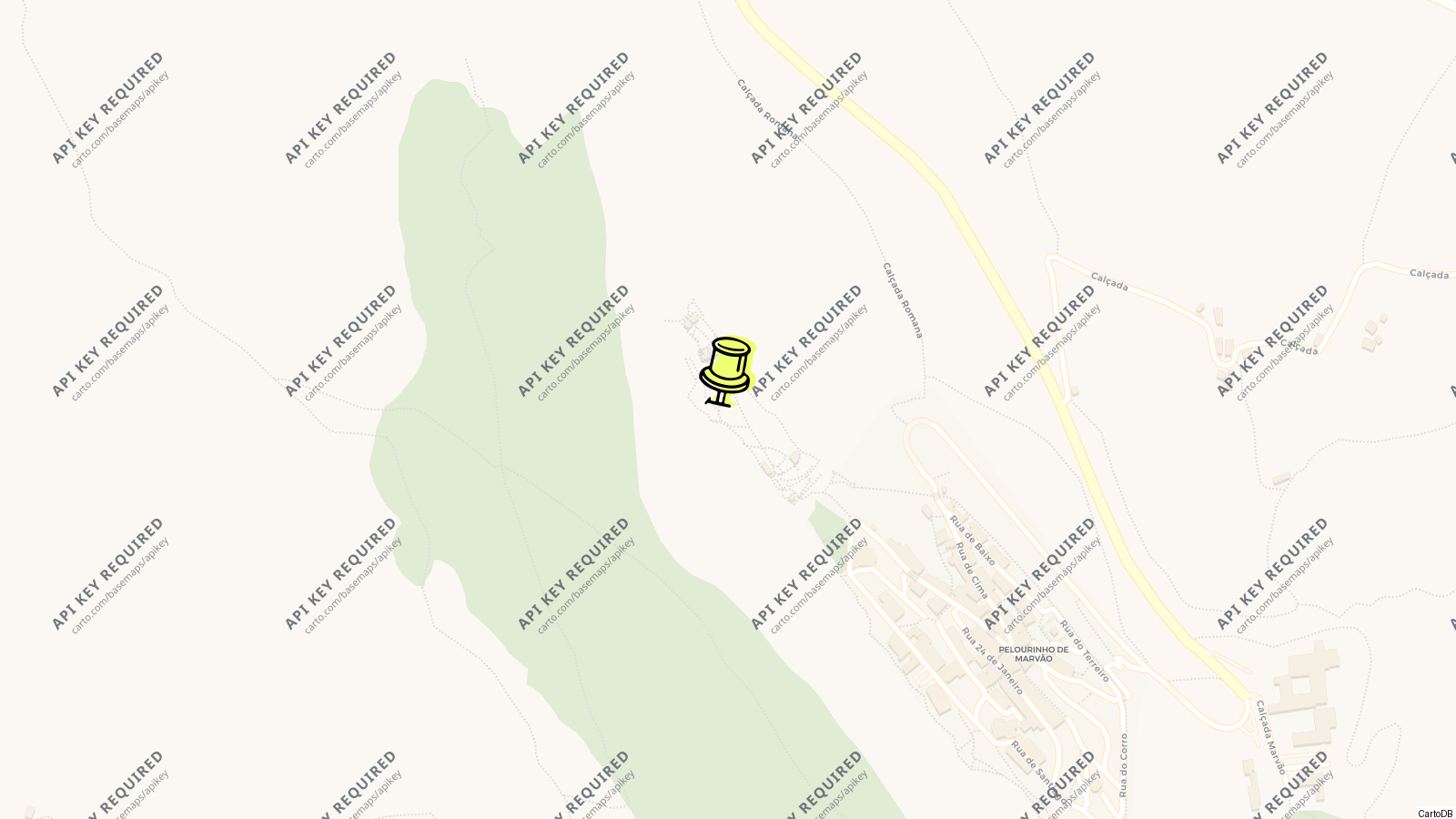
Overview
The Castle of Marvão sits on a quartzite crag of the Serra de São Mamede at 867 m, the highest point of a walled village whose ramparts enclose every house in it, a few kilometres from the Spanish border in the north-east corner of the Alentejo; it was founded by the Muslim rebel Ibn Marwan in the 870s, taken by Afonso Henriques in the 1160s and given its keep by King Dinis after 1299. Saramago wrote that from here “one can see the entire land”, and on a clear day the view runs over Spain and half of the Alentejo.
The village has a few hundred people, whitewashed houses, a pillory and a handful of guesthouses; the castle is at its far end, with a great vaulted cistern, two courtyards, the keep and a wall-walk round the whole crag.
History
Ibn Marwan built the fortress as the base of an independent statelet in the emirate of Córdoba between 884 and 931, and the settlement was known as Amaia de Ibn Maruán by the 10th century. Christian forces took it between 1160 and 1166, lost it briefly to the Almohads in the 1190s, and Sancho II gave it a charter in 1226 to populate an empty outpost against Castile. Afonso III gave it to the Order of Malta in 1271, it passed to his son and was taken by Dinis’s army in 1299, becoming Crown property by 1300, when Dinis rebuilt the defences and raised the keep.
Fernando I made it a place of sanctuary in 1378; the Aviz kings granted privileges in 1407, 1436 and 1497 to keep it peopled and added turrets in the 15th and 16th centuries. In the Restoration War the garrison of 400 moved here from Castelo de Vide, the Spanish attacked in 1641 and 1648 and the walls were repaired in 1662; the Spanish held it briefly in 1704 and 1705 and assaulted it in 1772; Junot’s French were driven out in 1808, and the Liberals took it in December 1833. The monuments service began restoring it in 1938 and has worked on it in most decades since; the Marvão cultural centre has run it since 2013.
Visiting
The approach from the village passes through a triple gate with bent entrances designed to slow anyone who breached the outer wall. The first courtyard holds three low tiled buildings that were the magazines and armouries and, near the gate to the inner ward, the great rainwater cistern, a vaulted hall carried on ten stone ribs that supplied castle and keep in a siege and is the most surprising room in the building.
The inner ward has the garrison hearth and the old military quarters; the rectangular keep in the southern angle, with its rounded door and a single vaulted hall, gives on to the battlements, and every tower has a parapet and a walk. Then follow the wall round: the crag drops sheer on three sides, and the whole village, the Serra de São Mamede and the plain into Spain are below.
Tips
- Sleep in the village; the day-trippers leave by late afternoon and the walls at sunset and dawn are the point of Marvão.
- Bring a layer even in summer; at 867 m the wind on the keep is cold when the plain below is baking.
- The chestnut festival in early November and the Al-Mossassa festival of the Moorish past in October are the two weekends the village fills.
- Castelo de Vide, 12 km away, has the Jewish quarter and the spa; the two towns make one day.
Nearby
- Castelo de Vide: 12 km west.
- Portalegre: 22 km south-west.
- Valencia de Alcántara, Spain: 20 km east.
- Serra de São Mamede Natural Park: all around.
Know this destination? Help us improve
Your local experience is valuable to other travelers.