Garrison Border Town of Elvas and its Fortifications
The world's largest bastioned dry-ditch fortress, on the Spanish border

Essential info
Visit details
Overview
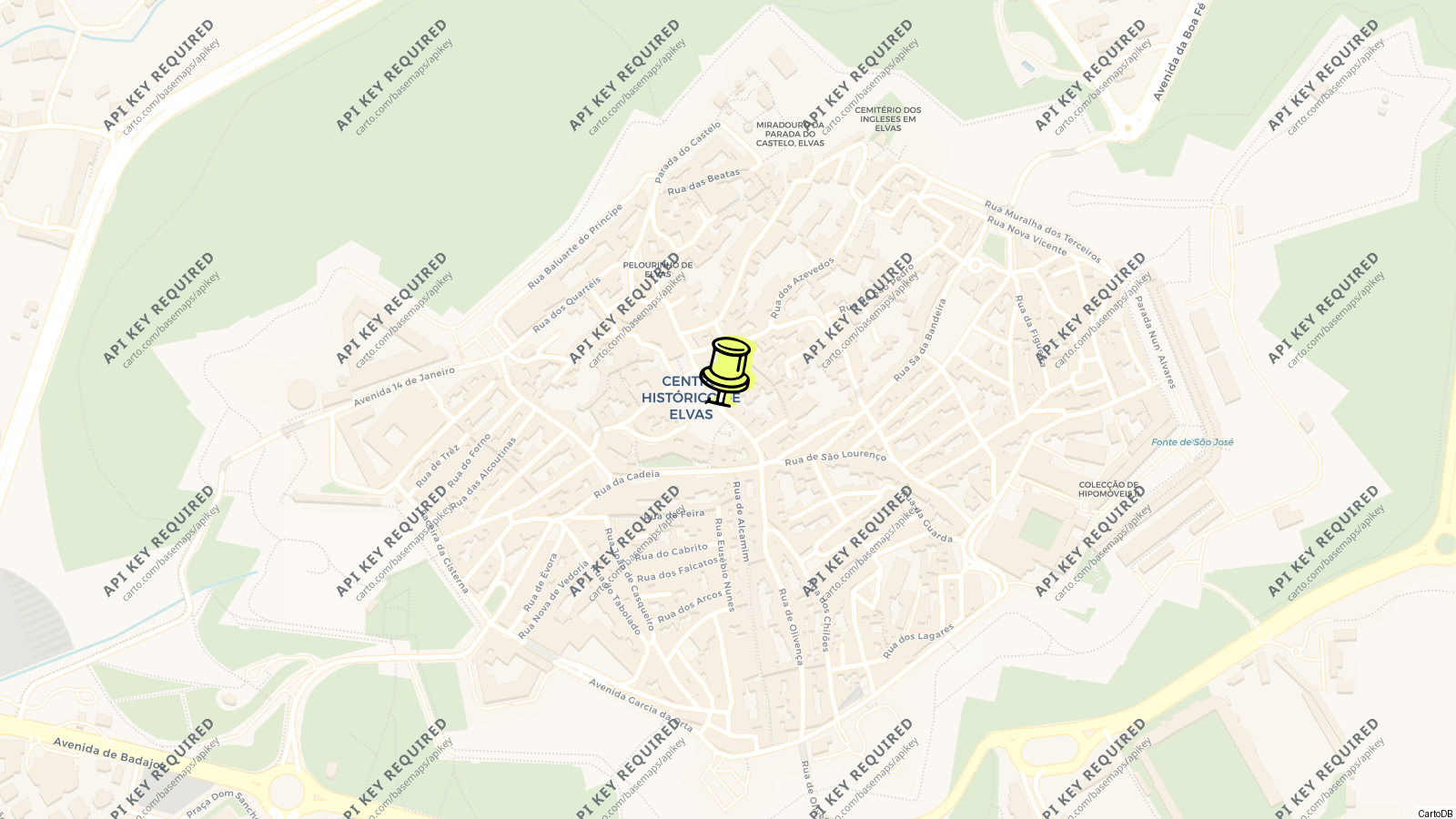
Elvas is the great fortress town of the Portuguese frontier, 8 km from Badajoz across the Guadiana, ringed with the largest system of bastioned dry-ditch fortifications in the world: seven bastions round the town, the forts of Santa Luzia and Nossa Senhora da Graça on the hills either side, three fortlets, and the Amoreira aqueduct that fed it through sieges. UNESCO listed the whole ensemble in 2012 as the best surviving example of the Dutch school of fortification.
Inside the walls is a whole Alentejo town, cathedral, castle, squares and steep lanes, that was the chief frontier fortress south of the Tagus from 1642 and never fell to a siege; the visit is a walk round the ramparts and out to the forts, and it takes a day.
History
Afonso Henriques took Elvas from the Moors in 1166, it was retaken, and the Portuguese held it for good from 1226; it was an episcopal see from 1570 to 1818 and its late Gothic cathedral dates from the reign of Manuel I. When Portugal broke from Spain in 1640 the town became the key to the frontier, and the Dutch Jesuit engineer João Piscásio Cosmander laid out the star of bastions and ditches from 1642 on the Dutch model; the fortress withstood the Spanish sieges of 1659, when the garrison and citizens helped rout the besieging army in the Battle of the Lines of Elvas, 1711 and 1801.
Junot’s French took it in March 1808 and left in August under the Convention of Sintra; in 1811 the relief of Campo Maior, 15 km away, by Beresford’s British gave Walter Scott a ballad. The forts of Santa Luzia and Graça, the latter the strongest of the 18th century, and the fortlets of São Mamede, São Pedro and São Domingos completed the system through the 17th to 19th centuries.
Visiting
Enter by the Amoreira aqueduct, begun in 1537 and finished in 1622, 6 km long with four tiers of superimposed arches rising 40 m where it crosses the valley into the town; it is the first thing seen from the Badajoz road and the biggest thing in Elvas. Inside, the Praça da República and the old cathedral, the castle at the top with the medieval walls, the pillory and the lanes of the historic centre are the core; the military museum in the old barracks and the contemporary art museum are the two indoor stops.
Then the fortifications: walk the bastions round the town, with the ditches below and the covered way running out to the Fort of Santa Luzia on its hill to the south, and drive or walk up to the Fort of Graça to the north, a star within a star on its own hill with the view back over the whole system and across to Badajoz.
Tips
- Elvas is one of the hottest towns in Portugal, with summer maxima near 35 degrees; walk the walls before ten or after six.
- The Fort of Graça is the highlight and is out of town; it has its own ticket and hours, so check before climbing.
- Badajoz is 15 minutes by car, with its own alcazaba and a livelier evening; many stay there and visit Elvas by day, or the reverse.
- The Lisbon to Badajoz railway passes Elvas; buses from Évora and Estremoz are the practical way without a car.
Nearby
- Fort of Nossa Senhora da Graça: 2 km north.
- Amoreira aqueduct: at the western entrance.
- Badajoz, Spain: 8 km east.
- Campo Maior: 15 km north-east.
Know this destination? Help us improve
Your local experience is valuable to other travelers.