Cathedral of Funchal
The 1514 cathedral of the Discoveries and its cedar ceiling

Visit details
Overview
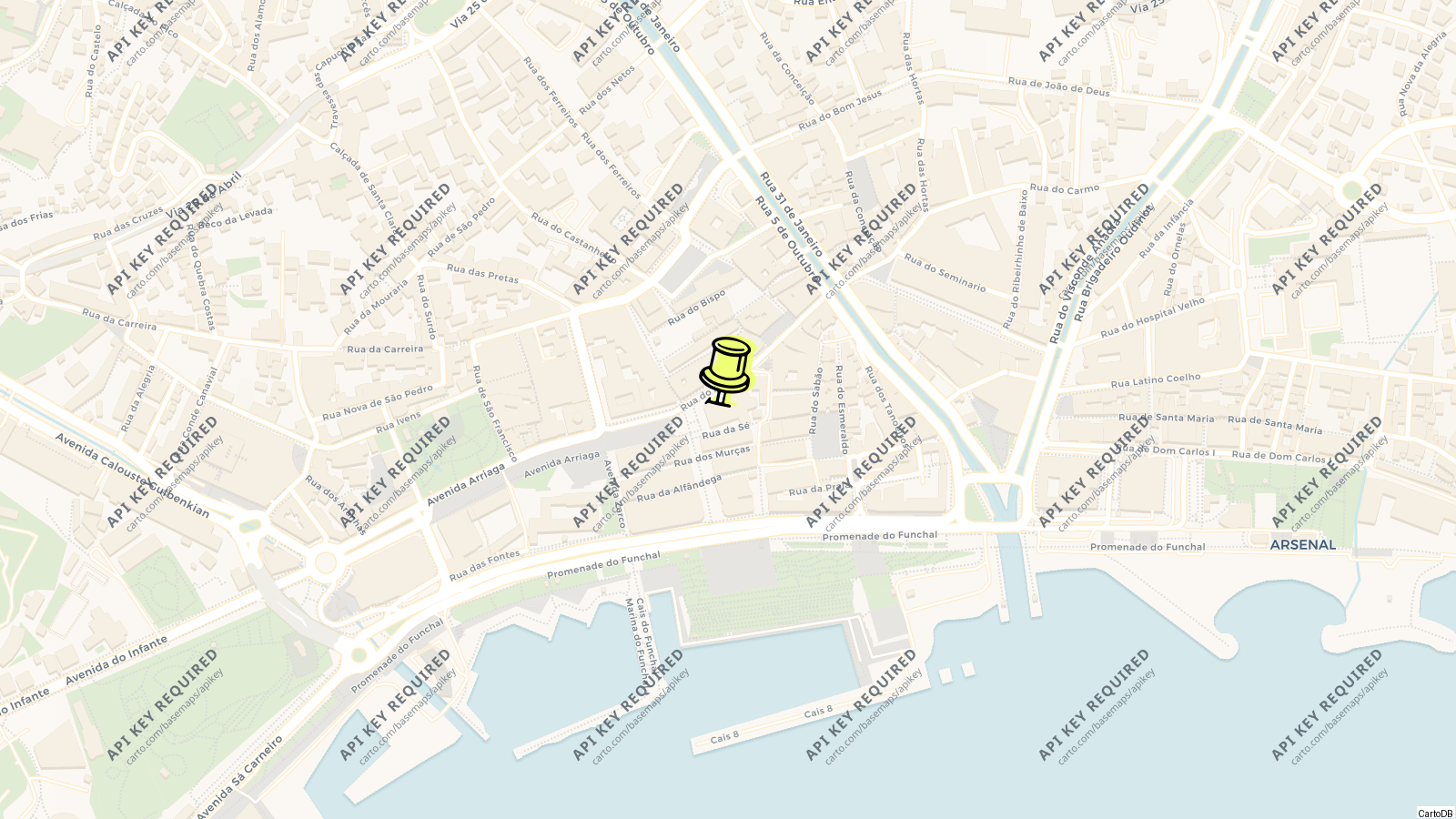
The Sé of Funchal, the cathedral of Our Lady of the Assumption, is the church that Manuel I began as Duke of Viseu in 1486 and that Pope Leo X raised to a cathedral on 12 June 1514, the first bishopric of the Portuguese overseas world, the “diocese of the Discoveries” whose reach for a time stretched from Brazil to Asia; it is one of the few buildings that survive almost intact from the first century of the island’s settlement. It stands on the main street of the old town, a plain white Gothic church of dark volcanic stone from Cabo Girão with a Mudéjar cedar ceiling that is the finest in Portugal.
The cathedral is open through the day from early Mass, closing for lunch on Saturday and Sunday; entry is free, and the choir stalls and the ceiling are the reasons to go in.
History
Funchal’s growth on sugar in the mid-15th century outgrew its churches, and in 1486 the Duke of Viseu, the future king, ordered a great church, a town hall and a square on the Chão do Duque, a plot that had been used for sugar-cane trials; the wars over the division of the world with Spain and the cost delayed it, and only after Manuel’s accession in 1495 did it move. The walls were up by 1508, when Funchal became a city and the bishop of Tangier blessed the church; the master builder João Gonçalves was replaced by the royal carpenter Pêro Anes, and the crown paid from customs revenue and from the new towns of Ponta do Sol and Calheta, the islanders from donations and confraternities.
The building was structurally complete in 1514, the year of the papal bull, and the high altar consecrated in 1517; the woodwork and silver were paid for from island revenue. It has been a National Monument since 1910, and a statue outside remembers John Paul II’s visit of 1991.
Visiting
The church is three naves of Gothic arches under a ceiling of Madeira cedar in Mudéjar knotwork, the roof that every guide to the island rightly makes the first thing to look up at. The choir stalls carry prophets, saints and apostles in 16th-century dress, and in the carving of the seats and armrests the island itself, cherubs with bunches of bananas and wineskins; the triumphal arch frames the chancel with its gilt altarpiece.
The treasury holds the silver processional cross given by Manuel I, one of the masterpieces of Manueline silverwork, shown on feast days and in the sacristy museum; the tower with its tiled spire is the landmark of the lower town.
Tips
- Morning Mass is at 07:15 on weekdays; the church is open all day but the ceiling needs the lights, which are on for services and for the hours after.
- Bring binoculars or a good phone zoom for the ceiling and the stall carvings; they are high up and small.
- The Rua do Aljube and the market are two minutes away; the cathedral is the start of the old-town walk to the Zona Velha.
- Sunday morning is for the parish; visit on a weekday.
Nearby
- Mercado dos Lavradores: five minutes.
- Zona Velha and the painted doors: ten minutes.
- Funchal cable car to Monte: ten minutes along the front.
- Monte Palace Tropical Garden: by cable car.
Know this destination? Help us improve
Your local experience is valuable to other travelers.