Castle of Silves
Red-walled Moorish castle above the old Algarve capital

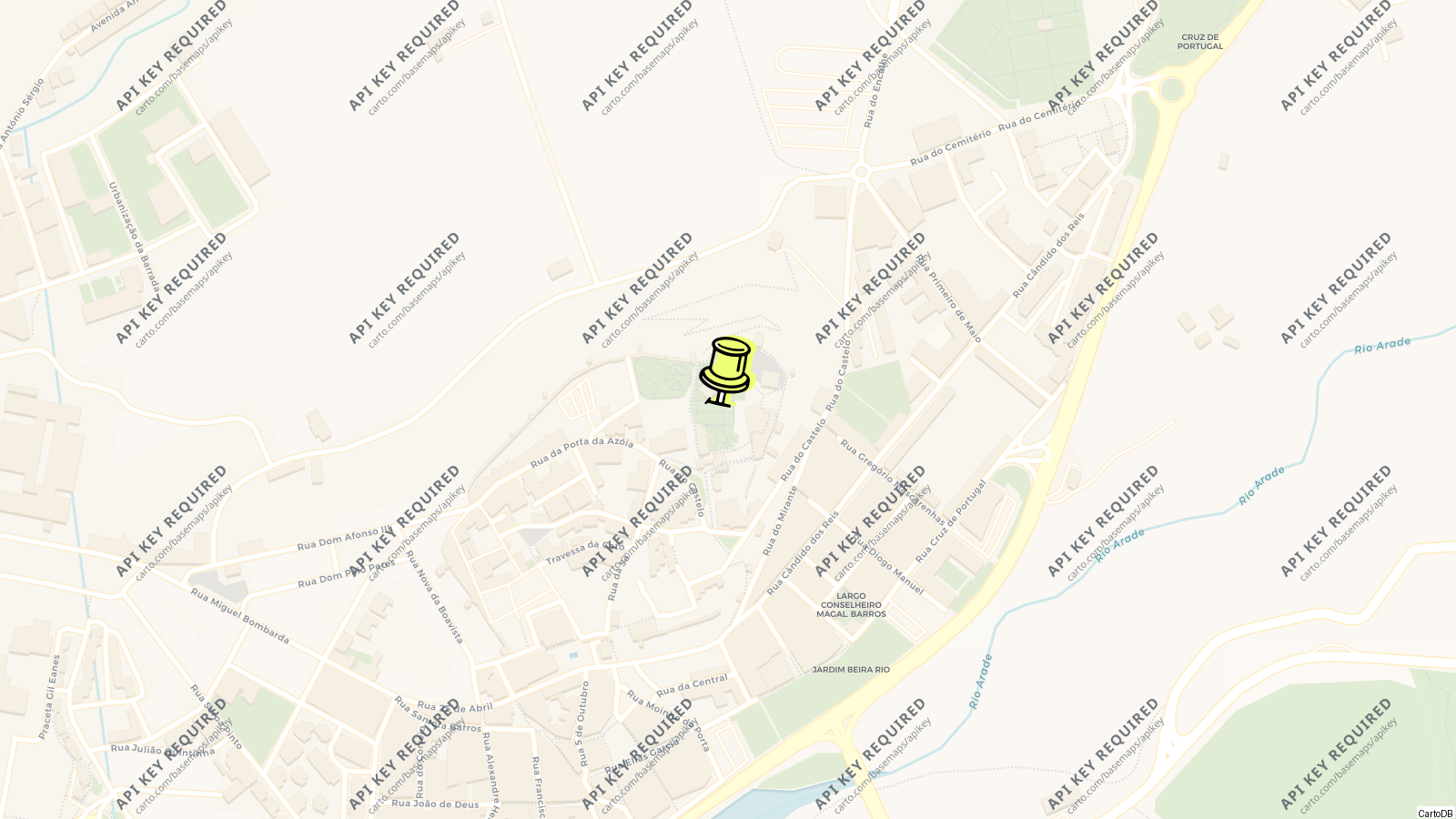
Essential info
Visit details
Overview
The Castle of Silves is the red sandstone fortress on the hill above the old capital of the Algarve, the best-preserved Moorish castle in Portugal, whose walls and towers were built by the Almoravids and Almohads in the 12th and 13th centuries when Silves, Shilb, was the richest city in the west of al-Andalus and the home of the poet-king al-Mu’tamid. Sancho I and a crusader army took it after a long siege in 1189, the Moors took it back in 1191, and the Portuguese held it for good under Afonso III; it has been a National Monument since 1910.
The walls enclose a garden, the excavated palace of the 11th-century governors, a cistern of five vaulted aisles and the wall-walk round four towers and seven bastions, with the view over the Arade valley and the orange groves to the sea.
History
A Lusitanian castro, a Roman citadel from about 201 BC and a Visigothic one, Silves was taken by the Umayyads around 716 and grew into a city with walls, a port on the Arade and, in the taifa period of the 11th century, the Palace of the Balconies where al-Mu’tamid, later king of Seville, lived as a poet. Fernando I of León sacked it in 1160; Sancho I’s siege of 1189 with the crusaders is one of the bloodiest episodes of the Reconquest, and the Almohad caliph’s army retook it in 1191. The walls and towers seen today are the Almoravid and Almohad work of the 12th and 13th centuries, and Paio Peres Correia took it for Afonso III around 1249.
Afonso III gave the charter in 1266, Henry the Navigator was made governor in 1457, and the city declined as the Arade silted and the see moved to Faro in 1540. The earthquake of 1755 brought down cathedral, tower, castle and walls; the population rebuilt the walls in the Liberal Wars under the guerrilla Remexido, and the monuments service restored the whole from the 1940s, demolishing the houses built against the walls. Excavations from 2005 uncovered the governor’s palace with its painted stucco and a house of Henry the Navigator’s day by the south-west wall.
Visiting
Enter by the main gate between two towers, with the vaulted guardhouse beside it, into the courtyard where the Cistern of the Moura, 10 m high and 820 m² across, five aisles on four rows of columns linked by arches, supplied the town until the 1920s; the Cisterna dos Cães is a 60 m well beside it. The excavated palace of al-Mu’tamid’s time and the foundations of the Infante’s house with its oil press are in the military square, laid out as a garden of plants from the Discoveries.
Then the walls: an irregular polygon of four towers and seven crenellated posts, the Traitors’ Gate cut into the north wall, and the walk round the top with Silves below, the Gothic cathedral built on the mosque next to the gate, the river and the hills. The municipal museum in the town, built around a 12th-century Almohad well, is the second half of the visit.
Tips
- Silves is hot; the walls have no shade and the visit is best before eleven or after five.
- The medieval fair in August fills the castle with costumes, camels and stalls for ten days and is either the best or the worst time to come.
- The cathedral, the Almedina gate and the museum are all within five minutes of the castle gate; allow half a day for the town.
- Trains from Faro and Lagos stop at Silves station, 2 km from the town; the walk in is along the river.
Nearby
- Silves Cathedral: beside the gate.
- Silves municipal archaeology museum: five minutes.
- Portimão and the coast: 15 km south.
- Lagos: 35 km west.
Know this destination? Help us improve
Your local experience is valuable to other travelers.