Ria Formosa Nature Park
Lagoon, barrier islands and 30,000 birds along the eastern Algarve

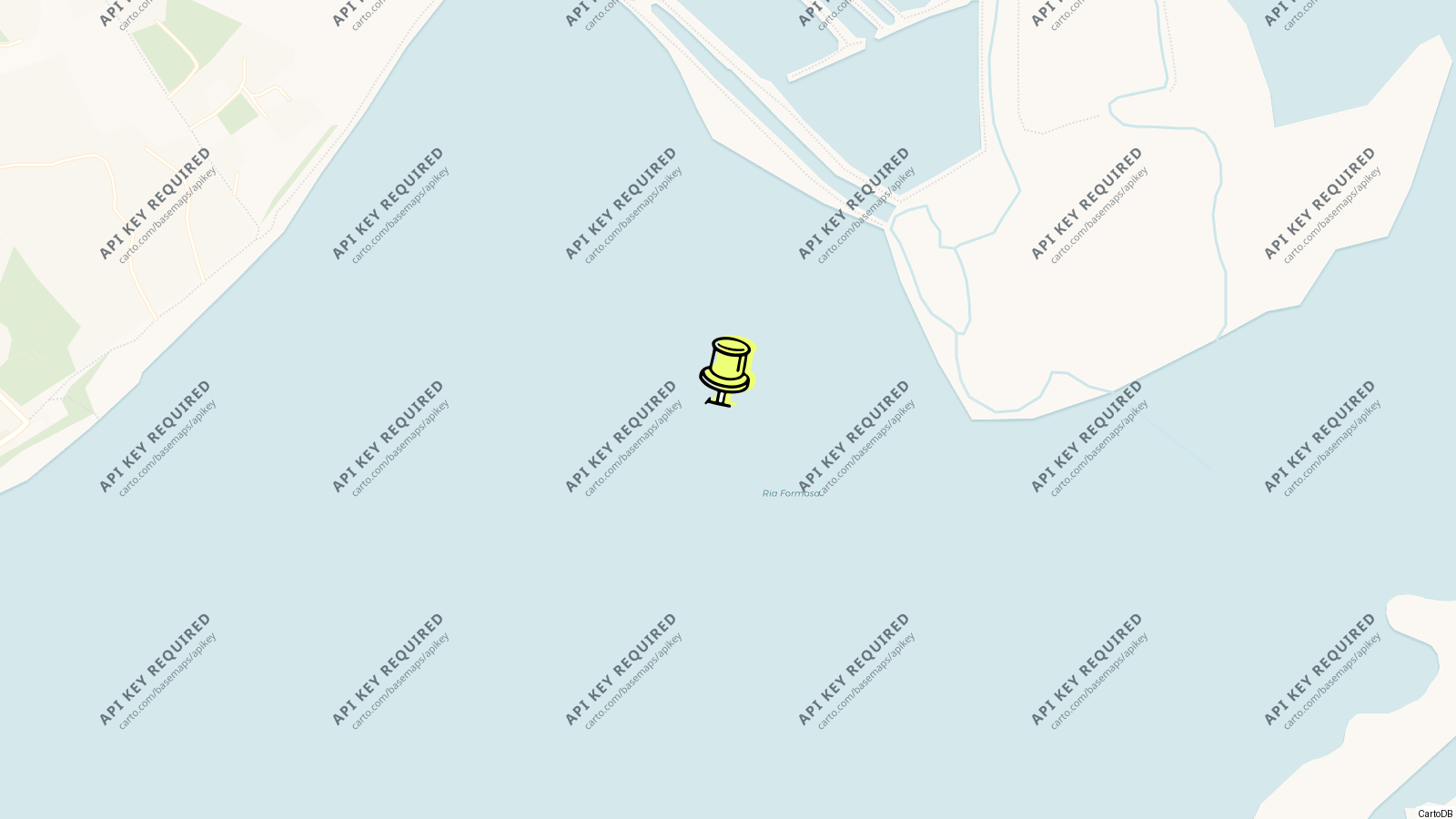
Overview
The Ria Formosa is the lagoon that lines 60 km of the eastern Algarve behind a chain of barrier islands, from Ancão past Faro, Olhão and Tavira to Cacela Velha, a natural park of 170 km² of channels, salt marsh, salt pans, mudflat and dune where some 30,000 birds pass each year and where the flamingos, spoonbills and the purple gallinule that is the park’s emblem live; in 2010 it was voted one of the Seven Natural Wonders of Portugal.
The islands, Barreta, Culatra, Armona, Tavira and Cacela, carry the Algarve’s longest and emptiest beaches, reached by ferry and water taxi from Faro, Olhão and Tavira; the lagoon behind them is where the clams are dug, the oysters grown and the fishing villages of Fuseta, Santa Luzia and Cabanas sit on the water.
History
The barrier islands are sand, shifting with every storm; five of the six inlets are natural and move, and the sixth, the Faro-Olhão bar, was cut artificially between 1927 and 1952 to give the port of Faro a stable channel. The lagoon was made a natural park in 1978, is a Ramsar wetland and a BirdLife Important Bird Area for both its 23,296 ha of lagoon and 19,900 ha of sea, and remains a working landscape of clam farms, salt pans, the port and the tourist economy of Faro, Olhão and Tavira.
Visiting
Choose an island. From Faro’s marina ferries go to the Ilha Deserta, Barreta, the emptiest, with one restaurant and the southernmost point of the mainland, and to Farol and Culatra, the villages on Culatra island where about 700 people live in three settlements of fishermen’s houses without cars. From Olhão the boats go to Armona and Culatra; from Tavira and Santa Luzia to Tavira island, 11 km long with the Barril beach and its anchor cemetery, reached across the lagoon by a miniature train from Pedras d’el Rei, and a campsite.
The park’s headquarters at Quinta de Marim, east of Olhão, has trails through the marsh, a tide mill and hides for the birds; the salt pans and the walkways at Ludo west of Faro and the Cacela Velha viewpoint at the eastern end are the other places to stand and look. Winter and the migrations of spring and autumn are the bird seasons; summer is for the beaches.
Tips
- The ferries run to summer and winter timetables; the last boat back is early in winter, and missing it means a water taxi at several times the price.
- The islands have no shade beyond the beach bars; Barreta has one restaurant and nothing else.
- Buses link Tavira to Cabanas and the Conceição station on the Vila Real line serves the eastern end.
- Clams and oysters from the lagoon are on every menu in Olhão; the market by the water is the place to see them landed.
Nearby
Know this destination? Help us improve
Your local experience is valuable to other travelers.