Furnas
A village inside a volcano, hot springs and stew cooked in the ground

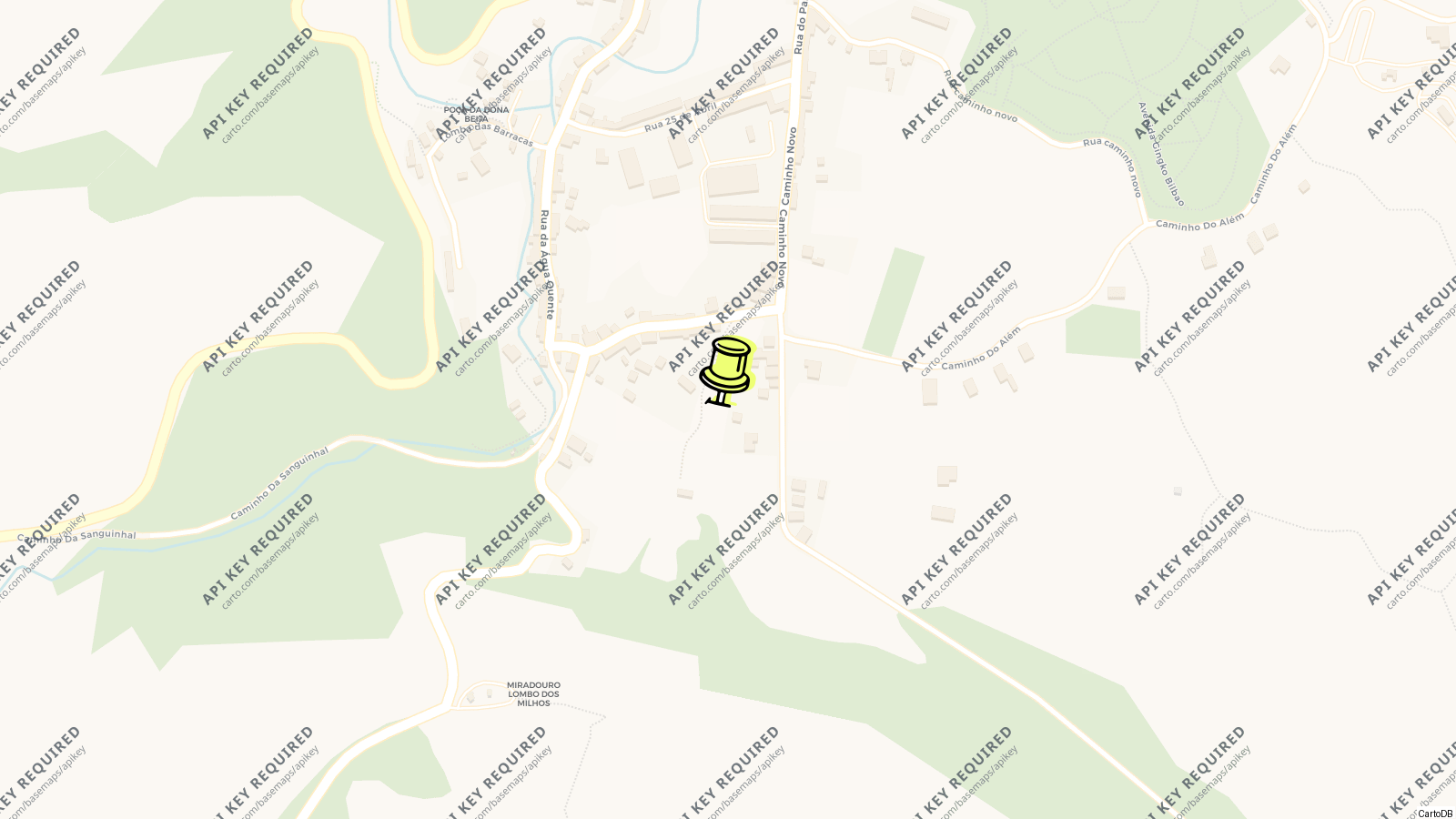
Overview
Furnas is the village inside a volcano on São Miguel, 1,400 people living in the caldera of one of the most active volcanic systems in the Azores, among thirty hot springs of different temperatures and chemistry, bubbling mud pools, steaming fumaroles and a crater lake, where the Sunday lunch, the cozido das Furnas, is cooked for eight hours in a pot buried in the hot ground by the lake. It is the one place in the islands where the volcano is a daily presence, and the spa that the 19th century built around it is still working.
The visit is the fumaroles in the village and on the north shore of the lake, the stews being dug up at midday, a bath in the iron-brown thermal pool of the Terra Nostra garden or the hotter pools of the Poça da Dona Beija, and the walk round the lake to José do Canto’s neo-Gothic chapel.
History
The valley was cut for timber after the earthquakes of 1522 and grazed from 1577; a chapel went up in 1613 and homes around it, and in 1630 an eruption in the valley killed 200 people and emptied it, but the ash made the land fertile and settlers came back from Ponta Garça, Povoação and Vila Franca. Barbary pirates raided as far inland as the valley in 1679. By 1840 there were 1,320 people in 334 houses across the basin, and the English were arriving: the consul Vines built the Grená house on the lake in 1855, it became a hotel under Jorge Brown in the 1870s, and the botanist José do Canto laid out his park and chapel on the far shore.
Geologically, Furnas is the easternmost of São Miguel’s three active volcanoes, a nested pair of calderas 7 by 5.5 km and 4.5 by 3.5 km across, the younger 35,000 years old, with ten eruptions in the last 5,000 years, the first historical one in 1440 as settlers arrived and the last in 1630; with thousands of people inside it, it is rated one of the most dangerous volcanoes in the archipelago.
Visiting
Start at the caldeiras in the village centre, where the springs and small geysers boil in walled basins and the locals fill bottles from the tapped mineral waters, each with its own name and taste; the hydrotherapy buildings in the park date from the 19th century. Then the lake, Lagoa das Furnas, at 359 m in the western caldera: on its northern shore are the fumaroles and mud pools where the cozido pots are lowered into holes in the ground in the morning and lifted at noon by the restaurants’ staff, which is the show; the path round the lake passes José do Canto’s chapel of Nossa Senhora das Vitórias, a small neo-Gothic cathedral built as a mausoleum for himself and his wife.
Bathe in the afternoon: the Terra Nostra park, laid out by the English consuls and José do Canto’s contemporaries, has the big thermal pool at 35 to 40 degrees, the colour of tea from the iron, among centuries-old trees; the Poça da Dona Beija is a set of smaller, hotter pools in a stream bed on the village edge, open late.
Tips
- Bus C318 or C110 from Ponta Delgada takes an hour and twenty minutes for €4.65 and stops several times in the village; the last one back is early, so check it or stay the night.
- Book the cozido: the popular restaurants take reservations for the Sunday pots, and the stew sells out.
- The thermal water stains light swimwear brown; bring a dark one and an old towel.
- Furnas is cooler and wetter than the coast; a fleece for the evening even in August.
Nearby
- Lagoa das Furnas: 3 km from the village.
- Ribeira Quente, the fishing village and beach: 7 km south.
- Lagoa do Fogo: 25 km west.
- Ponta Delgada: 45 km west.
Know this destination? Help us improve
Your local experience is valuable to other travelers.