Sete Cidades Massif
The twin green and blue lakes in a 5 km caldera

Overview
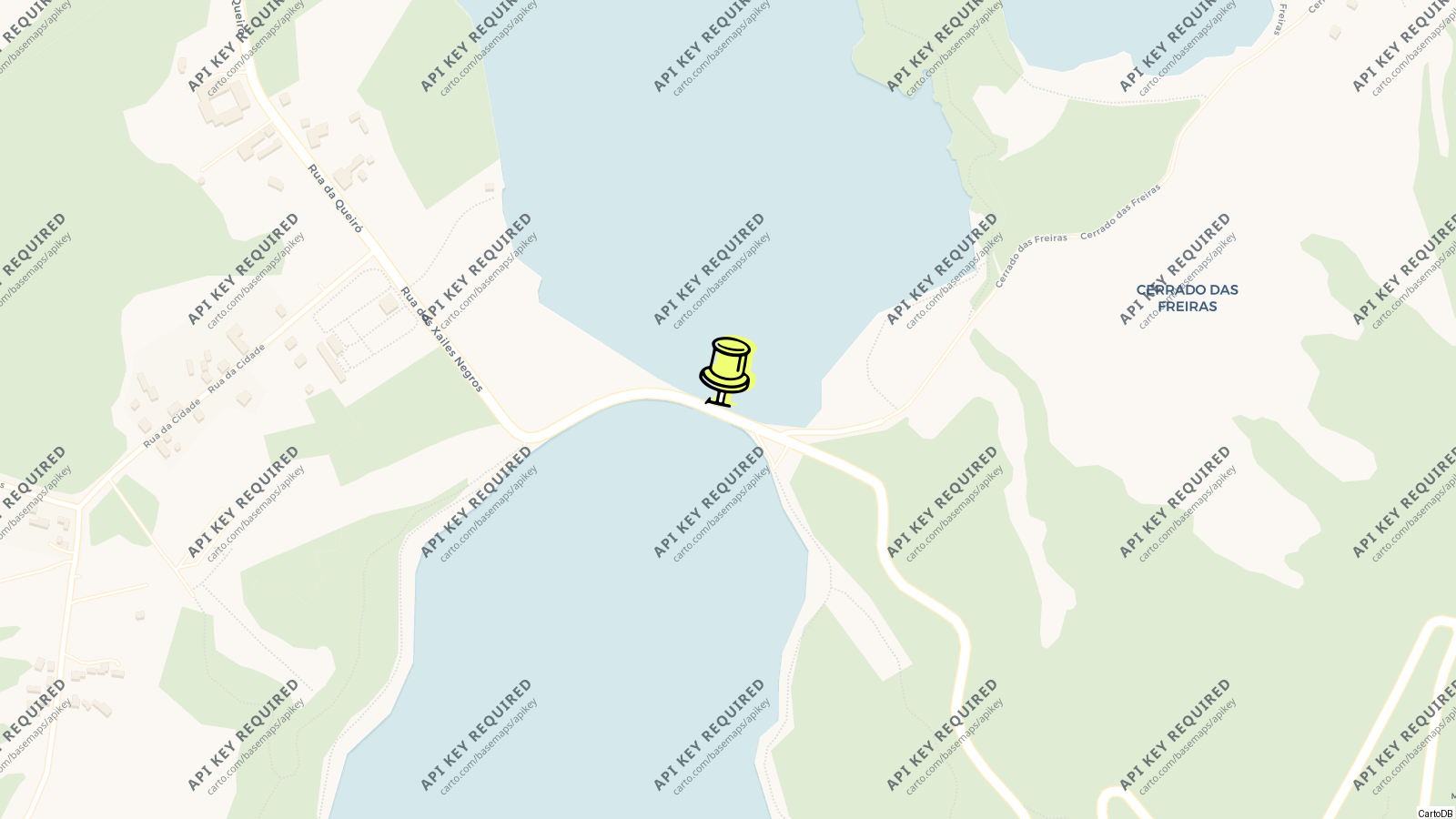
Sete Cidades is the great caldera at the western end of São Miguel, a crater 5 to 6 km across and up to 500 m deep with a twin lake at the bottom, one green and one blue, joined by a strait and a bridge, and a village of 800 people on the shore between them; it is the image of the Azores, and the view from the rim at the Vista do Rei, with the lakes and the village and the walls of the crater all in one, is the one every visitor to the islands comes for.
The caldera is the most active volcanic centre in the archipelago, with 17 eruptions inside it in the last 5,000 years, the last around 500 AD; it has no fumaroles, but its heat surfaces in the sea at Ponta da Ferraria on the coast below, where hot springs bubble into a natural ocean pool.
Visiting
Drive or cycle up from Ponta Delgada to the rim and stop at the Vista do Rei, the viewpoint on the southern crest where the whole caldera lies below and the abandoned Monte Palace hotel stands beside the road; the Boca do Inferno viewpoint, a short walk from the road further west, looks down on the small Lagoa de Santiago in its own crater and across the big lake, and is the photograph on the posters.
Then go down into the village, cross the bridge between the green and blue lakes, walk or hire a kayak on the water, and look at the church and the hydrangea hedges; the full circuit of the rim on foot is 12 km and takes half a day, with the Mosteiros and the sea on the outside and the lakes on the inside all the way. Ponta da Ferraria, below the western rim, has the hot springs in the sea pool at low tide and a small spa.
History
The crater is three collapses one inside another: the first 35,700 years ago, when the original volcano fell in after a great explosive eruption; the second 28,750 years ago, taking the north-west of the rim; and the third 15,740 years ago, the north and north-east, each leaving pumice and ignimbrite over the island. Since then eruptions inside the caldera have built the six cones on its floor and the Caldeira Seca crater by the village, and eruptions along the rift zone to the south-east and from vents off the west coast, four Strombolian and three Surtseyan in settled times, have been the volcano’s recent activity; it has not erupted from the caldera in recorded history.
The lake, the largest body of fresh water in the Azores and one of its most important reserves, is two ecologically different lakes, the Lagoa Verde and the Lagoa Azul, in the western part of the crater floor; the parish of Sete Cidades, the smallest in Ponta Delgada by population and the largest by area, lives between them.
Tips
- The caldera fills with cloud on many afternoons and clears in the morning; if the rim is in fog, drive down to the village, where it is often clear, and come back up.
- The Vista do Rei car park is small and the coaches use it; the rim walk from there west to the Boca do Inferno is where they do not go.
- Sete Cidades has cafés and a few rooms; the lakes are cold and swimming is possible but not the point.
- Ponta da Ferraria’s hot water is only pleasant at low tide, when the spring is not diluted; check the tide table before driving down.
Nearby
- Vista do Rei viewpoint: on the southern rim.
- Ponta da Ferraria hot springs: on the coast below the west rim.
- Mosteiros: the black-sand village on the north-west coast.
- Ponta Delgada: 25 km east.
Know this destination? Help us improve
Your local experience is valuable to other travelers.