Bom Jesus do Monte
The zigzag Baroque stairway and the water-powered funicular

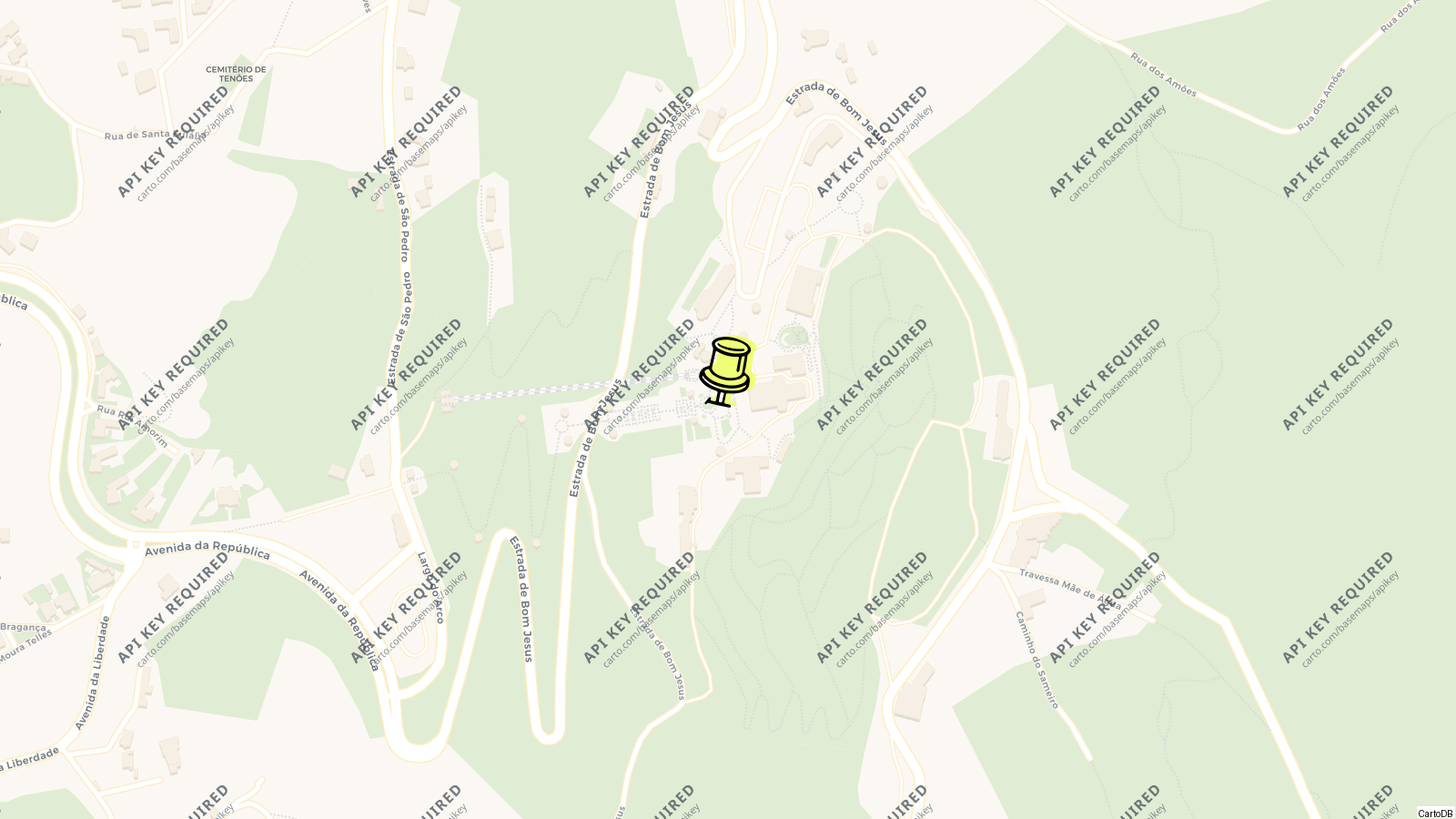
Essential info
Visit details
Overview
Bom Jesus do Monte is the Baroque pilgrimage stairway on a wooded hill 5 km east of Braga, 583 steps climbing 116 m in zigzags past chapels, fountains and statues to a neoclassical church at the top, built from 1722 to the 1830s and listed by UNESCO in July 2019. It is the most visited place in Braga and the model for pilgrimage stairways from Lamego to Minas Gerais.
The stairway is a sermon in stone: the Stations of the Cross, then the Five Senses, then the Three Virtues, each with its fountain, to be climbed on the knees by the devout and on foot by everyone else, with a water-balance funicular of 1882, the first on the peninsula and still working, for the way up or down.
History
A chapel of the Holy Cross stood on the hill by 1373, rebuilt in the 15th and 16th centuries, and in 1629 a pilgrimage church to the Bom Jesus with six Passion chapels replaced it. The present sanctuary began in 1722 under Archbishop Rodrigo de Moura Telles, whose arms are over the gateway at the foot: he built the first flight with its Via Crucis chapels of terracotta figures and the zigzag stairway of the Five Senses, and a Baroque church at the top around 1725 by Manuel Pinto Vilalobos.
In the 1760s three octagonal chapels of the events after the Crucifixion, attributed to André Soares, and four fountains of the Evangelists were built behind the church. Around 1781 Archbishop Gaspar de Bragança added the third zigzag, the stairway of the Virtues, and had the church replaced by Carlos Amarante’s neoclassical basilica, begun in 1784, decorated in the early 1800s and consecrated in 1834, one of the first neoclassical churches in Portugal. The land around became a park in the 19th century, the funicular opened in 1882, and Pope Francis made the church a minor basilica in 2015.
Visiting
Take the TUB bus from Braga’s Avenida da Liberdade to the foot of the hill, in fare zone two, or a taxi. Walk up. The first flight through the woods passes the Via Crucis chapels with their life-size terracotta Passion scenes; then the Five Senses, a double zigzag of granite and whitewash where each landing has a fountain spouting from eyes, ears, nose, mouth and a hand; then the Virtues, Faith, Hope and Charity with their fountains, to the terrace in front of Amarante’s church.
Inside the church the main altarpiece is a Crucifixion; behind it, the Terreiro dos Evangelistas has the three octagonal chapels, among them the meeting of Christ and Mary Magdalene, and the four Evangelist fountains. The park around, with its grotto, boating lake and hotels, is where Braga picnics on Sundays, and the view is over the city to the Minho hills. The funicular runs beside the stairs for the descent, or the ascent for anyone who wants to save the knees; entry to the grounds and church is free.
Tips
- Climb the stairs and ride the funicular down: the sequence of chapels and fountains only makes sense on the way up.
- The bus stop is in Braga’s second fare ring; buy the right ticket, and check the last bus down, which is earlier than you would expect.
- Early morning is empty; Sunday afternoons and Holy Week are the crowds.
- Sameiro is under 2 km further up the same road and can be walked; the two make one outing.
- The hotel by the funicular’s top station is the quiet place to sleep in Braga, on the hill before the coaches.
Nearby
- Sanctuary of Sameiro: under 2 km up the hill, 30 minutes on foot.
- Braga cathedral and the old town: 5 km, 15 minutes by bus or taxi.
- University of Minho campus and its cheap restaurants: on the road back into town.
Know this destination? Help us improve
Your local experience is valuable to other travelers.