Braga Cathedral
Portugal's oldest cathedral, Romanesque bones under Baroque

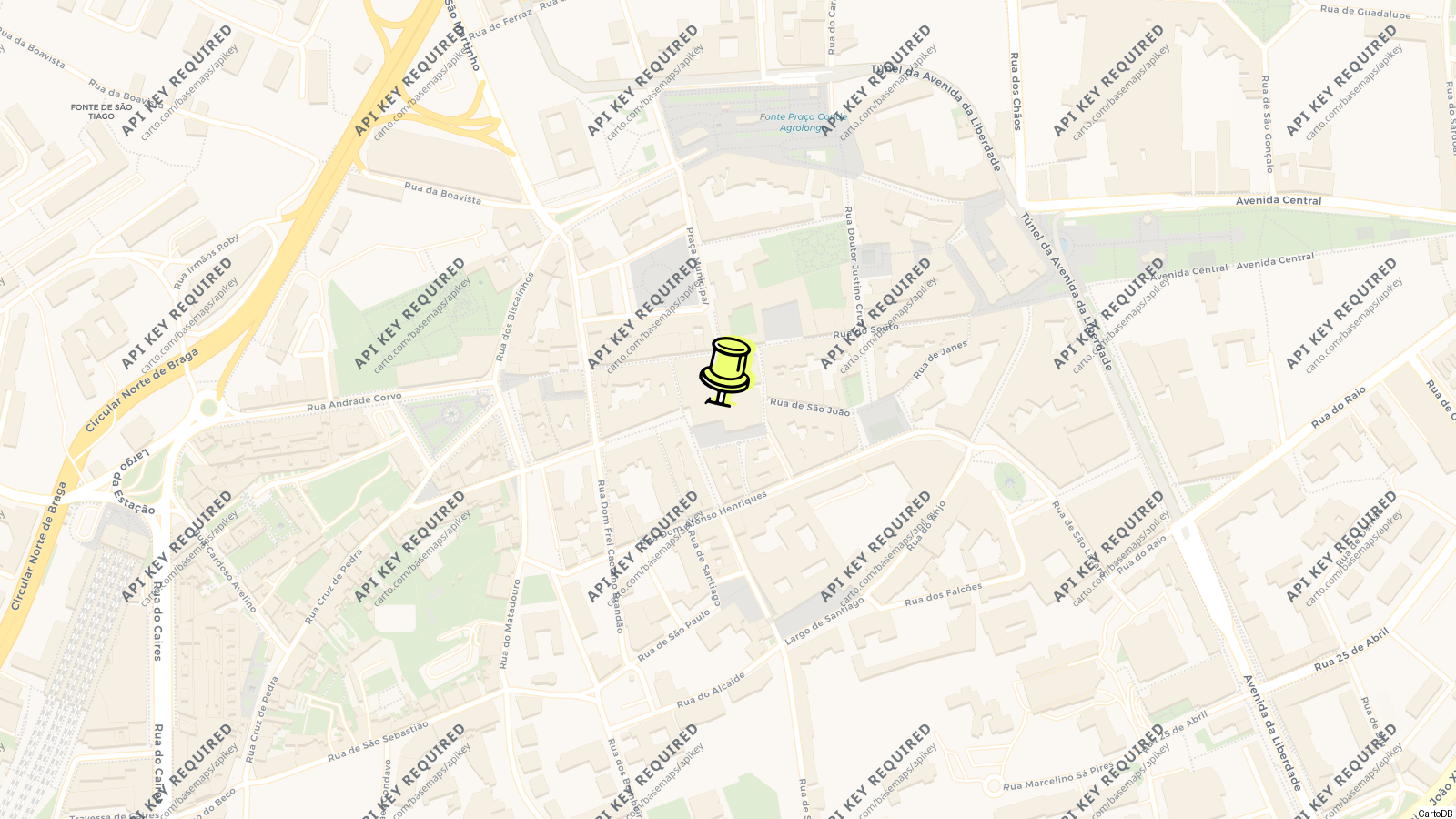
Visit details
Overview
The Sé de Braga is the oldest cathedral in Portugal, begun by Bishop Pedro after the see was restored around 1071 and consecrated on 28 August 1089, decades before the country existed, and it is the seat of the archbishop who holds the title of Primate of the Spains. It is one of the most important buildings in the country, a Burgundian Romanesque church overlaid with Gothic, Manueline, Moorish-influenced and Baroque additions over nine centuries.
The visit takes in the Romanesque nave, the Manueline chancel by João de Castilho, the Gothic tomb chapels including that of the parents of the first king, the twin gilded organs of the 1730s that are among the finest talha in Portugal, and the treasury, shown by guided tour, with a 10th-century chalice and an 11th-century Arab ivory casket.
History
The diocese dates from the 3rd century; Braga was the capital of the Suebi kingdom, converted by Martin of Dumio around 550, and lost its bishop after the Moors arrived in 716. Bishop Pedro rebuilt from 1071 and consecrated the eastern chapels in 1089; Count Henry of Burgundy and Bishop Geraldo won archbishop’s rank from the pope in 1107, and Archbishop Paio Mendes, tutor and ally of Afonso Henriques, used the cathedral’s weight at Rome to help win the bull of 1179 that recognised Portugal.
The 12th-century church was built on the Cluny model and shaped Romanesque churches across the north. Then came the additions: the Gothic chapels of the Kings and the Glory in the 14th century, the galilee entrance porch of 1486 to 1501, Archbishop Diogo de Sousa’s remodelling of the portal and, in 1509, the Manueline chancel by the Basque João de Castilho, and the Baroque towers, choir and organs of the 18th century. A 20th-century restoration stripped the nave back towards its Romanesque state. It has been a National Monument since 1910.
Visiting
The cathedral on the Rua Dom Paio Mendes is open daily from 08:00 to 19:00, to 18:30 from October to March, with the treasury, cloister and chapels on a ticketed guided route. Start at the west front: the late-Gothic galilee of 1486 to 1501 with its rib vaults, statues and gargoyles, and a Manueline iron gate moved out from the interior in the 18th century, in front of what survives of the Romanesque portal, archivolts carved with hens, foxes and a minstrel that may tell a fable. The south portal is still Romanesque.
Inside, the three-aisled nave under a wooden roof is Romanesque again; in it is the 15th-century bronze tomb of Afonso, son of João I. At the entrance end the Baroque high choir has gilt stalls of about 1737 by Miguel Francisco da Silva and, in front of them, the two gilt organs carved by Marceliano de Araújo in the 1730s. The chancel is Castilho’s, stone rib vaults over a 14th-century Virgin, Nossa Senhora de Braga, with the remains of Diogo de Sousa’s stone altar carved with Christ and the Apostles; outside its east wall is the early 16th-century Madona do Leite, the Virgin breastfeeding, between the arms of Portugal and the archbishop. The chapel of St Peter of Rates is tiled with the saint’s life by António de Oliveira Bernardes.
The guided route adds the chapels beside the cathedral: the Capela dos Reis of about 1374 with the 16th-century tombs of Count Henry and Countess Teresa, parents of Afonso Henriques; the Capela da Glória of 1326 to 1348, with Archbishop Gonçalo Pereira’s tomb guarded by six lions and walls painted in Moorish-style geometry; the Capela da Piedade with Diogo de Sousa’s Renaissance tomb; and the treasury museum with its chalices, ivory casket and vestments.
Tips
- The nave is free; the tombs, the tiled chapels and the treasury are on the paid guided route, and that is where the cathedral’s best things are.
- Holy Week processions start and end here and fill the church; come outside service times for the art.
- The 19th-century cloister is of no interest; do not pay for it expecting Batalha.
- The Madona do Leite is outside, on the east end of the chancel; walk round the building.
Nearby
- Arco da Porta Nova and the old town: two minutes.
- Praça da República and the Arcada cafés: five minutes.
- Bom Jesus do Monte: 5 km, by TUB bus or taxi.
- Braga station: ten minutes on foot.
Know this destination? Help us improve
Your local experience is valuable to other travelers.