Castle of Guimarães
The castle where the first king is said to have been born

Essential info
Visit details
Overview
The Castle of Guimarães is the 10th-century fortress on a granite outcrop at the top of the town, ordered by Countess Mumadona Dias to protect her monastery from Moors and Norsemen and rebuilt in the late 13th century into the shield-shaped castle of eight towers and a keep that stands today. It is the castle the country counts as its birthplace: Afonso Henriques was born here in 1111 and the battle of São Mamede that made his county a kingdom was fought in its fields in 1128.
The visit is short and open-air: the walls and towers, the keep, the courtyard and the view over the roofs of the World Heritage town, with the Romanesque chapel of São Miguel and the Dukes’ palace in the park below. It was voted one of the Seven Wonders of Portugal and is a National Monument.
History
Mumadona Dias, widow of Count Hermenegildo, founded a monastery on the site of the present Oliveira church and, to defend it, a castle that a codicil of 4 December 968 describes as just built and calls the Castle of São Mamede. Her descendants fought over it for a century. At the end of the 11th century Count Henry of Burgundy pulled down what remained of her work, enlarged the castle with two entrances and made it his residence; a stretch of arched wall of large ashlars near the entrance is his. It was the royal residence from 1139, when Portugal broke from León, until about 1200.
King Dinis remodelled it around 1300 into its present form, and it held: against the Infante Afonso, against Henry II of Castile’s siege of 1369, and for the Castilian claimant against João I in 1385, who later added the two towers flanking the gate. By 1653 it was falling down, by 1793 useless, and in 1836 the town council proposed demolishing it for paving stone, partly because it had been a political prison under King Miguel; the plan was dropped, the castle was listed as a National Monument in 1910 and restored from 1937, reopening in 1940. Excavations in 2004 confirmed 10th-century structures inside.
Visiting
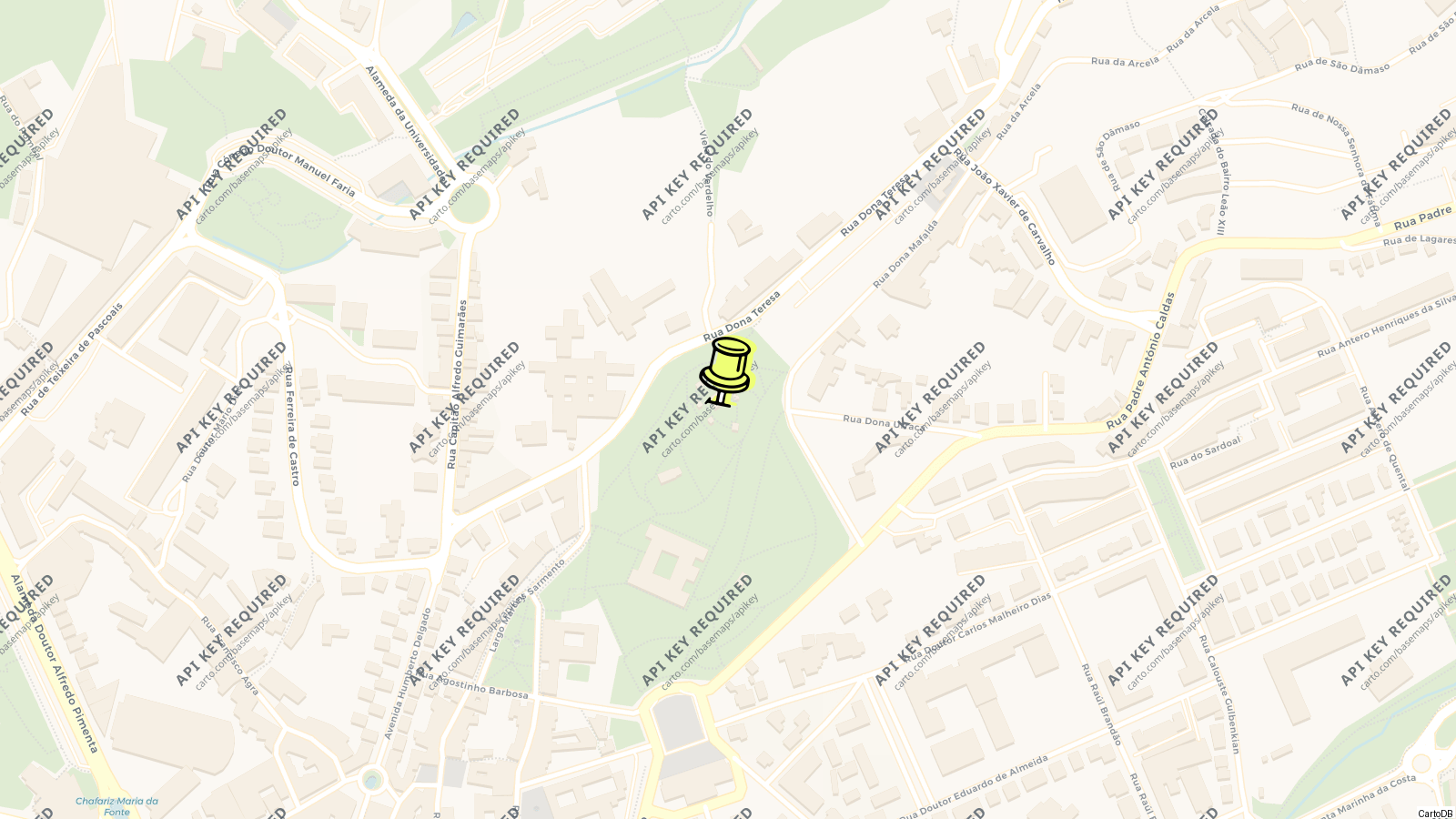
The castle sits at the northern edge of the old town in a small wooded park crossed by paths, ten minutes’ walk uphill from the Largo da Oliveira; beside the south tower a bronze medallion of Afonso Henriques is set on a boulder. The plan is a pentagon like a shield, with eight rectangular towers on the walls, a small courtyard and the central keep, all in granite; the flanking towers are late Romanesque and early Gothic, the keep and residences from the late 13th century.
Walk the wall-walk around the circuit for the views, climb the keep, and look for the medieval well found when electrics were installed. Below, on the hillside, are the little Romanesque church of São Miguel do Castelo, sections of the town wall that once joined the castle, and the Paço dos Duques, which shares the ticketing.
Tips
- Buy the combined ticket with the palace; the two are 200 m apart and run by the same body.
- The wall-walk has low parapets and no railings in places; it is not for small children unheld.
- The castle is mostly outdoors; rain and Minho fog turn it into ten minutes. Pick a clear morning.
- The Penha cable car and the castle are at opposite ends of town; do the castle first and the mountain for the afternoon light.
Nearby
- Palace of the Dukes of Braganza: three minutes downhill.
- Church of São Miguel do Castelo: on the slope between the two.
- Largo da Oliveira and the old town: ten minutes.
- Penha cable car: 20 minutes across town.
Know this destination? Help us improve
Your local experience is valuable to other travelers.