Besalú
Cross the 12th-century stone bridge into a town of just 2,518 where Catalan is as common as Spanish and every café serves xuixo with your coffee

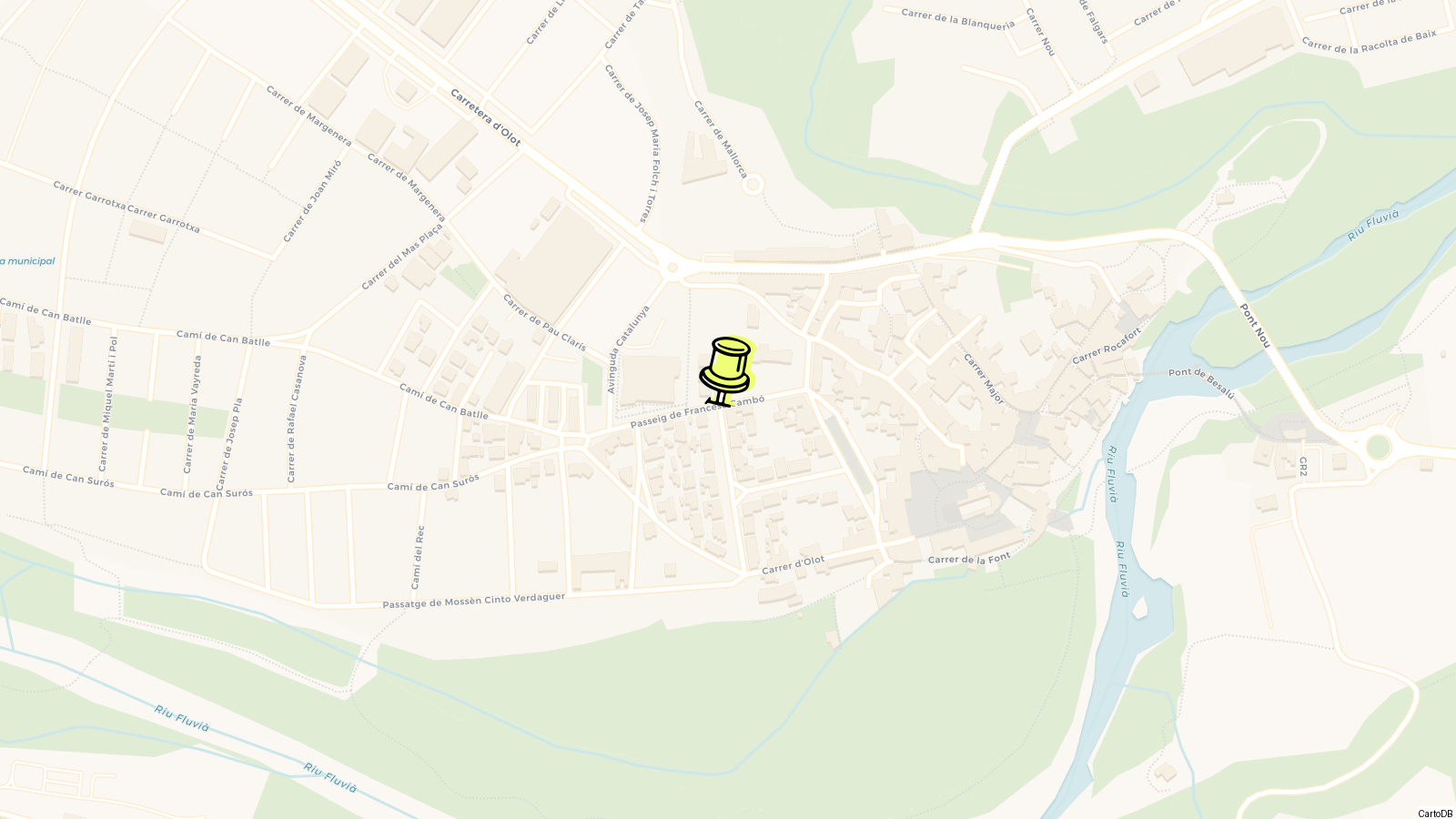
Visit details
Overview
Besalú sits about 33 km northwest of Girona and 25 km southwest of Figueres, with just 2,518 registered residents as of 2024. The entire historic core is officially classified as a “Monumental Complex” thanks to an unusually well-preserved medieval center. What jumps out first, literally, is the Romanesque bridge from the 12th century, stretching at a sharp angle over the Fluvià River, with a stone gatehouse at its center. Most visits start here.
Spanish and Catalan are equally normal on the street, and menus are usually in both. The old town is compact: you can cross from one end to the other in under 10 minutes if you don’t get distracted by bakeries selling xuixos (cream-filled pastries) or the shops packed with local ceramics.
Tourism drives the local economy, and weekends or local festival periods (like the Medieval Fair, usually the first weekend of September) will bring crowds bused in from Girona and Barcelona. Most of the year, things are quiet. Monday tends to be a dead zone, many shops and small restaurants are shut.
Historical buildings aren’t just for show: you’ll eat under the stone arcades, hear church bells ringing, and find the old mikveh (Jewish ritual bath) from the 11th–12th century at the bottom of an everyday residential alley.
The layout hasn’t changed much in centuries, with irregular, cobbled lanes, shaded squares, and a sense that this “village” was once more important than its current size lets on. In a region where summer highs can hit 27°C and winter nights dip to 5°C, most life in Besalú shifts between sun-warmed afternoons and cool, slow evenings. For a small town, there’s plenty of substance behind the scenery.
History
In 894, Besalú was recognized as its own county, which might sound small now, but back then it put the place on the political map for medieval Catalonia. The counts running Besalú controlled a territory that stretched to the Pyrenees, and for a couple of centuries, they threw their weight around locally until 1111, when their independence ended and the county merged into the County of Barcelona.
The Latin name for Besalú, Bisuldunum, literally means “fort on a mountain between two rivers.” That wasn’t poetic branding, just a description of geography: the town was hemmed in by the Fluvià and Capellades rivers, natural defenses for any power-hungry medieval lord sizing up the spot.
The Benedictine abbey of Sant Pere, founded in 977 and consecrated in 1003, was central to daily life and local authority. Medieval Besalú wasn’t just for monks and soldiers; the place also turned into a stopover for pilgrims on the way to Santiago de Compostela. The old Casa Cornellà hospital took in sick and poor wayfarers.
County power games
Besalú’s real clout came when it split off from the County of Girona before the year 894. The counts were well connected with neighboring nobles, and the little realm even minted its own coins for a while. But dynastic marriages and power struggles caught up with them. When Count Bernat III died in 1111 with no male heir, Besalú was absorbed into the wider Catalan fold, losing direct political independence but staying important regionally.
Jewish community
In the 11th and 12th centuries, Besalú had a noteworthy Jewish community. There was even a mikveh (ritual bath), unusual because hardly any Romanesque-era mikvehs survive in Spain. You can still visit it today, but for most of its life, it was literally buried and forgotten until it was accidentally rediscovered in the 1960s.
Decline and “rediscovery”
Besalú’s best years were up through the 14th century. Black Death, wars, and shifting trade routes dented the economy and population. By the 19th century it was a backwater with crumbling houses until heritage types started taking interest. In 1966, the town was declared a ‘Monumental Complex’ (Conjunt Històric-Artístic), a label that finally gave it official protection. Today, its medieval street layout, including those archways and squares you’re wandering, still lines up with maps drawn centuries ago.
The bridge you see now, with its seven arches and defensive tower halfway across, has spanned the Fluvià since the 1100s (with the odd rebuilding after floods and wars). The way it doglegs in the middle wasn’t an architect’s whim: that’s just what happens when you build on ancient foundations, shifting with the river and the ruins underneath.
By the late 20th century, whole buses of schoolkids and architecture nerds started showing up, drawn in by stories of surviving medieval houses like Casa Cornellà or the Curia Reial, each with arcades and carved stone details, some dating to the 12th and 14th centuries. If the old stones feel oddly well-kept compared to some other places, it’s because post-1960s, there’s been real effort (and money) put into restoring facades and keeping the medieval vibe authentic, rather than letting it slide into “theme park” territory.
The town’s past isn’t frozen though. You’ll notice most shops, restaurants, and even museums play up the medieval era, but under the tourist gloss, people still live regular lives here, just like the 2,518 inhabitants officially recorded in 2024. The medieval flair and street festivals don’t pay every bill, but they do keep the town’s bones and daily rhythms connected to a real, winding past.
Visiting
Walk in over the 12th-century stone bridge: most people start here, since every bus drops you on the Figueres road and you’re basically funneled to that dramatic entrance. The span isn’t just for show, look closely at the midpoint, and you’ll see a defensive gate where medieval guards used to control traffic and collect tolls. Early morning or late afternoon is when you’ll get the place nearly to yourself, with the river empty except for ducks.
Directly past the bridge you hit Plaça de la Llibertat, where the town’s medieval street grid starts. Don’t rush, there’s no “main loop” everyone follows, but every side alley throws you into arcaded walkways and stone houses that feel more like a set than a real village. The ground floors are mostly cafés and souvenir shops now, but a couple of family bakeries still sell pa de Besalú and coca slices in the morning.
The Jewish quarter sits squeezed between Carrer del Comte Tallaferro and the river. Here’s where you book a tour of the mikveh, the Jewish ritual bath. They only open it to groups on a guided tour (ask at the Tourist Office: Carrer del Pont 1, +34 972 59 12 40), so walk-ins get shut out. The mikveh is low-lit, mostly stone, and you’ll be in and out in 15 minutes, but it’s the only Romanesque-era one left in Spain from the 11th–12th centuries.
The Sant Pere church dominates the square that takes its name. The abbey itself only shows off the remains of its cloister, but you’re really here for the nave from 1003. Pop inside (it’s usually open daylight hours), and check the stonework, no flashy art, but you get a sense of what a thousand-year-old church feels like without the renovation gloss.
The layout still matches its medieval plan. Cut down Carrer Major and you’ll see Casa Cornellà (12th century, private residence), a classic example of the arcaded stone-corner houses, and across the square, the Curia Reial and Casa Romà, both now hosting restaurants or event space.
If you want an oddball stop, hit the Museu de Miniatures i Microminiatures de Besalú. It’s on the main drag, and has tiny art you need magnifying glasses to see, microscopic ships in needles, elephants on a pinhead, that kind of thing. Quirky, takes 30 minutes, especially good if it’s raining.
Suggested Visit Route
- Start: Pont Vell (the medieval bridge)
- Jewish Quarter: Guided tour of mikveh (check schedule at tourist office)
- Plaça Sant Pere: See the abbey ruins and the church from 1003
- Carrer Major: Walk under the arcades, spot Casa Cornellà
- Miniatures Museum: Quick visit for something completely different
Eat & Drink
There’s no shortage of lunch spots on the main square and Carrer Major. Many offer a menú del día (set lunch, expect €15–20 in 2025) that’s solid value if you’re hungry at the Spanish lunchtime (2–4 pm). Cafés open earlier but aren’t built for breakfast crowds, grab coffee and a pastry from a bakery instead.
Special Events
Main festivals are local: Medieval Festival (usually September, check besalu.cat), and occasional craft fairs. Crowds triple on those weekends, so book transport and tours ahead.
Tips
- Besalú gets busier on weekends and public holidays, especially during the Festa Major (usually the last weekend of August) and medieval fair days, come midweek if you want empty streets and photos with nobody in them.
- Arrive before 10:30am to snag free street parking. After that, you’ll probably end up in the paid lot on Carrer del Pont or by the river, which costs €3–5 for a few hours.
- The main sights, Romanesque bridge, mikveh, churches, are close together, and the old town is car-free. Wear shoes that can handle cobblestones; some alley climbs are steeper than they look.
- Guided visits explaining the mikveh and medieval synagogue run daily from the Besalú tourist office (Calle del Pont 1, tel. +34 972591240), usually at 11:15 and 16:15 in summer. Reserve at least a day ahead by phone or in person, slots fill up in school groups and on weekends.
- Some shops close from 2pm until 5pm for siesta, even in high season. Restaurants usually serve lunch 1–3:30pm and dinner from 8pm.
- ATMs can be found on Plaça de la Llibertat, but don’t expect every shop in the historic core to take cards, especially for small purchases. Carry at least €20 in cash.
- There are no supermarkets in the medieval quarter. A small spar grocery sits on the main road; bigger shopping is in Banyoles or Olot.
- To get here without a car, use the Teisa bus from Girona (€4.70, 40min, runs hourly M–F, every two hours on Sundays). The stop is outside the old town, plan for a 7-minute walk downhill to the bridge.
- The riverbank path downstream (towards the iron bridge) is a quiet spot for picnics or a late afternoon break when the plaza is full. Locals walk here for shade in summer.
- Don’t expect nightlife. After dinner, most bars shut by 11:30pm except during local festivals.
Extra details for deeper planning
- The bridge and mikveh are sometimes closed for filming or restoration, especially in spring. Check the town website for alerts before your visit.
- Public bathrooms are at Plaça de Sant Pere and near the main parking. They’re cleaned daily, but bring tissues, sometimes the dispenser is empty by afternoon.
- Mobility access: streets are very uneven and most historic buildings aren’t step-free. The tourist office has a basic map marking easier routes; ask them for advice if you’re with anyone who has mobility issues.
- For a quieter meal, head out of the center, cross the bridge and try any of the small tavernas on the Figueres road, where prices drop by a couple euros per dish compared to the plaza.
- Summer can get sticky, with highs in July-August around 27–29 °C and little wind. Bring water, a hat, and sunscreen, especially if you’re visiting midday.
- If you want to see the miniature and microminiature museum, buy tickets on entry, discounts sometimes apply if you show a student card, but not for seniors or groups.
Know this destination? Help us improve
Your local experience is valuable to other travelers.