La Pedrera
Gaudí’s rooftop chimneys at Passeig de Gràcia 92 look like medieval knights, but they’re really surreal vents sculpted in 1912.

Overview
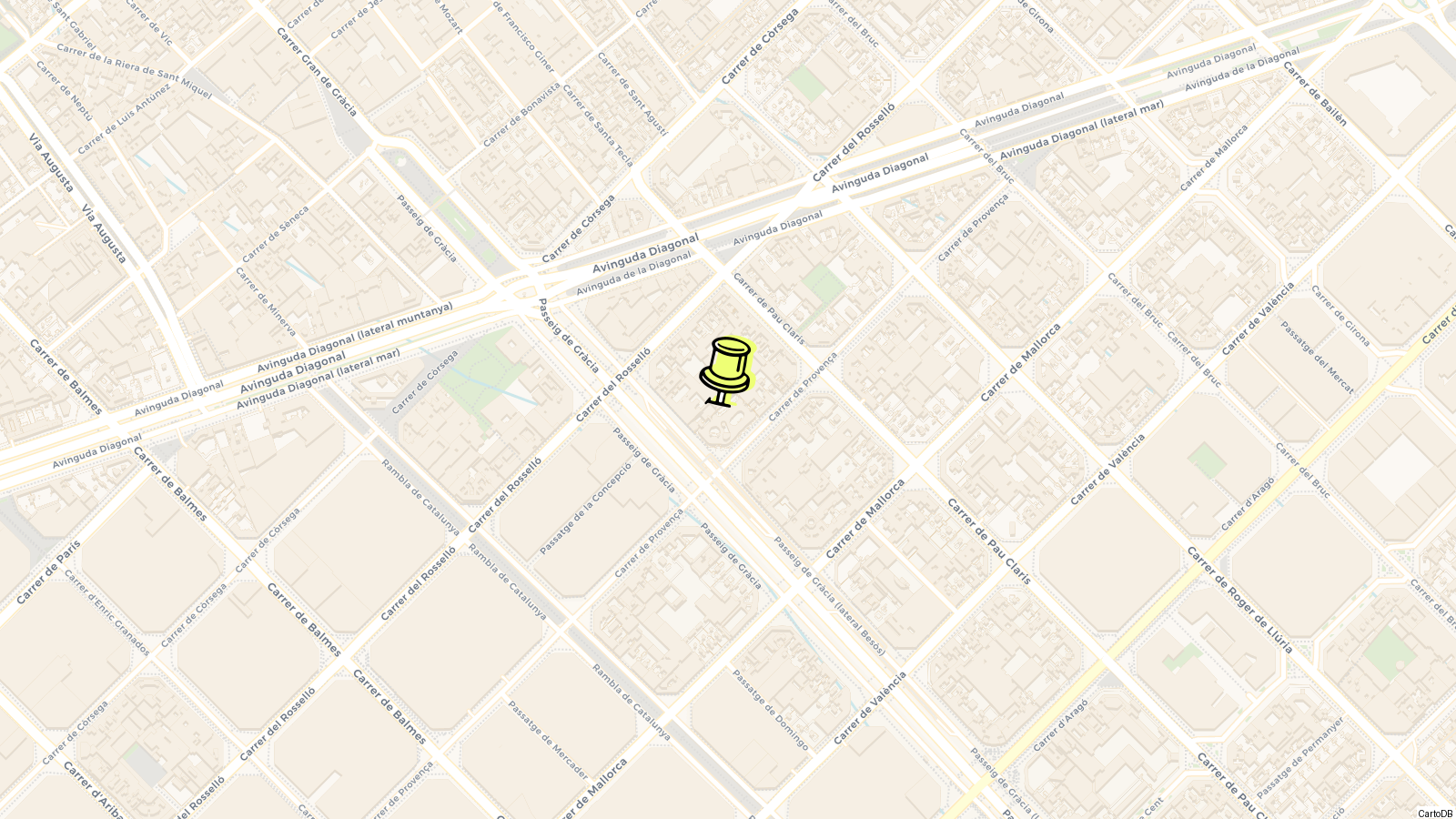
La Pedrera sits at the corner of Passeig de Gràcia and Carrer de Provença, at number 92, and you can’t miss it, locals started calling it “the quarry” (La Pedrera) as soon as the rough limestone façade went up in 1912. Antoni Gaudí designed this place between 1906 and 1912, and all the bizarre waves, caves, and almost cartoonish chimneys you’ll see outside are just the beginning.
From the street, it looks like no other building, even in a city full of modernista experiments. The main material is a mash-up of local stones, and the wrought-iron balconies, twisted and tangled, were all hammered out by hand. Inside, the building is really two independent apartment blocks, wrapped around open courtyards and topped by that rooftop that has become one of the icons of Barcelona. Gaudí didn’t just wing it; the design is all curves and natural forms, with nothing done for symmetry’s sake.
La Pedrera was controversial from day one: city planners fined the Milà family for breaking height and setback rules, locals ridiculed the shape, and even the owners argued with Gaudí about costs and religious details (those wanted statues of the Virgin never happened). The place has been a residential address, an insurance office, even a bingo hall, and now houses the Fundació Catalunya-La Pedrera (since 2013), which runs regular exhibitions and visits.
This is one of the most visited spots in Barcelona, over a million people walk through every year, so plan to book an online ticket (it’s €25, €4 less than at the box office). The visit covers five floors, a walk through Gaudí’s attic arches, a recreated period apartment, the airy courtyards, and the rooftop “garden of warriors” (seriously, those helmeted chimney stacks are not just for show). La Pedrera has been on the UNESCO list since 1984 under “Works of Antoni Gaudí”.
If you only spend 30 minutes, walk around the outside at different times of day, the stone changes color, and the street-level iron gates still look more fantasy than function. Come for a full visit and you’ll walk through about 4,500 m², which includes a swirly attic lined with 270 brick arches, now housing a Gaudí museum, and the old Milà family flat full of period details. The apartment has the original hydraulic tile floors, groovy ceilings, and even some of Gaudí’s furniture, if Roser Segimon hadn’t ripped most of it out after Gaudí’s death because she wanted neoclassical sofas (true story).
You’ll notice nothing here is square, not the windows, not the walls, not even the courtyards, which twist up nine stories from the light wells. Gaudí planned this on purpose, forcing awkward moments like when the lady of the house complained her grand piano didn’t fit; Gaudí famously told her to learn violin.
The rooftop is the place for photos and city views, each chimney hides a function (ventilation, water tanks, skylights), yet looks 100% sculptural. If you’ve seen “Vicky Cristina Barcelona” or “The Passenger,” this is where those rooftop scenes were filmed.
History
Construction on Casa Milà started in February 1906, after Pere Milà and Roser Segimon hired Antoni Gaudí to build them a new residence on Passeig de Gràcia. The plot was big,1,835 square meters, and the Milàs planned to live on the main floor while renting out the rest as apartments. Instead of renovating the old house, they knocked it down. By December 1910, the building was basically habitable and the Milàs moved in, though the last works dragged until late 1912. At the time, the building’s wild curves, rough-cut limestone, and wrought iron balconies threw the city into debate and got it the nickname “La Pedrera” (“the quarry”). The press roasted both Gaudí and Pere Milà for being showy and unconventional. City officials were even less amused: Gaudí’s plans exceeded height limits, stretched past the allowed border, and included a sidewalk-encroaching pillar. The city threatened demolition or a massive fine, and only relented after a committee decided the building counted as a monument and didn’t have to follow every rule.
Gaudí had plans for elaborate Catholic symbolism on the rooftop, statues of the Virgin Mary and two archangels, but after the 1909 Semana Trágica (an anticlerical uprising), Milà dropped the religious elements to avoid controversy. There was so much pushback, with works stopping and fines piling up, that Gaudí nearly quit. A priest convinced him to finish what he’d started.
The quarrels over design went beyond the city council. Gaudí and Roser Segimon clashed repeatedly about both form and function. The curved walls were a particular headache, she complained there was nowhere to put her prized Steinway piano, and Gaudí famously retorted, “Play the violin instead.” Things got so heated over his fees that they ended up in court; Gaudí won and donated the payout to charity, saying principles were more important than money.
By the time of the Spanish Civil War, the Milàs were vacationing away from Barcelona, and the building was partly collectivized by the Unified Socialist Party of Catalonia. The tenants included not just locals but foreign diplomats and an Egyptian prince (Ibrahim Hassan). Over the years, the main floor became an insurance office, a bingo hall, even the offices of Cementos Molins and Inoxcrom. Segimon lived there until her death in 1964, long after Pere Milà died in 1940.
When Roser Segimon sold La Pedrera to Josep Ballvé i Pellisé in 1946, the new owners chopped up apartments, converted the attic laundry into street-facing flats, and neglected the façade until bits started falling off in 1971. After decades painted a grim brown, the original colors and design were finally restored in the 1980s.
La Pedrera’s turnaround began in 1969 when it was declared a historic and artistic monument. In 1984, UNESCO added it to the World Heritage list (under criteria i, ii, and iv). Caixa Catalunya bought the building for 900 million pesetas in 1986, and urgent restoration started right away. The main floor opened to the public in 1990 as part of Barcelona’s Cultural Olympiad, the Olympic Games were coming in ‘92 and the city was determined to polish its icons. Nowadays, the Fundació Catalunya-La Pedrera runs the show and manages everything from exhibitions to daily visits. The site gets more than a million paying visitors every year, and that doesn’t count corporate or cultural events.
The interior has been hacked up and restored repeatedly. In the ’50s, the attic, originally for laundry and storage, became small modern apartments with brick, ceramic, and wood finishes. The main floor lost its original Gaudí furnishings when Segimon covered them up in Louis XVI style; some of Gaudí’s surviving pieces, like a long oak curtain and a unique chair, now sit in the Museum of Catalan Modernism. The rooftop, once cluttered with TV antennas and later additions, was stripped back in the late ’80s and early ’90s to Gaudí’s intended look, down to the champagne-bottle glass topping one of the chimneys.
There’s still one rent-protected resident in the building: writer Ana Viladomiu, who lives alongside more than a thousand visitors tramping the corridors every day. By 2025, her contract runs out; after that, the whole building will finally be in the hands of its managers.
Visiting
Day tickets cost €25 if you buy online, but walk-up price at the box office is €29. Buy your ticket before going, especially May–October, or you’ll stand in a snaking line with dozens of tour groups stacking up behind you. Kids under 12 get in free with a paying adult for daytime visits. Students, seniors (65+), and people with 33%+ disability status pay €19. Locals with a DNI from Catalonia get in for €12.50.
Standard entry includes a timed access slot, a self-guided tour, and an audio/video guide available in 11 languages. You’ll climb by elevator to the attic first, a long vaulted hall of 270 brick arches, the famous “whale’s ribcage”, which has models, interactive displays about Gaudí’s techniques, and plenty of nooks for photos. From here, you exit to the rooftop, past the “garden of warriors” chimneys in all shapes, some even covered in broken bottles, the original Gaudí recycling project. The most popular photo is of the winding roofline with Passeig de Gràcia and, on a clear day, the Mediterranean in the background.
Back downstairs, the “Piso de la Pedrera” apartment is set up the way a wealthy Barcelona family lived in the early 20th century: telephones from another era, double kitchens, even the small maid’s room. A floor below is an exhibition space hosting rotating art or cultural shows, entry included with your ticket.
After the main tour, you exit through a leafy courtyard painted in pale blue and gold, looking straight up the curving windows and skylights. The obligatory shop sells Gaudí-styled trinkets and overpriced ceramics.
Night Visits and Special Tours
If you want something less crowded and a bit surreal, the Night Experience runs most of the year (hours and price change a bit between summer and winter). Evening visits cost €39 and add a projection light show on the rooftop, with a glass of cava at the end. It’s more atmospheric, but don’t expect to see much of the architecture in detail, this is about the lights and the city view.
There’s also a Sunrise tour (€39) that gets you in before daily crowds, good if you want clean photos (no people) and don’t mind a very early start. Deep-pocketed architecture buffs can book the Premium Tour for around €120, which includes access to areas normally closed to the public and more elaborate drinks on the terrace.
Accessibility and Hours
The whole visitor circuit is wheelchair accessible and strollers are allowed, though rooftop paths have some ramps/uneven bits. Official opening hours are 09:00–20:30 (March–early November) or 09:00–18:30 (November–February), but last daytime entry is typically 45 minutes before close. Night tours begin after regular hours: usually one at 21:00 or 19:00 depending on season.
You’ll find La Pedrera at Carrer de Provença, 261-265, 08008, a few steps from Diagonal metro (L3 and L5), and whole armies of tour groups assemble out front by 09:00. Once inside, you’re on your own time: budget about 60–90 minutes if you actually listen to the audioguide and poke around the apartment, or under an hour if you just want the roof and one selfie to tick the box.
Tips
-
Buy your ticket online at lapedrera.com before showing up. The walk-up price is €4 higher, and lines during peak seasons (May–October, holiday weekends, Easter) can stretch the length of the block.
-
The least crowded times are right when they open (9:00 am) or after 6:30 pm. Midday (11:00–16:00) is consistently packed, especially in spring and autumn, when school groups and tour buses pile in.
-
Hold onto your ticket, staff will ask to scan it several times as you move between floors and the rooftop.
-
The rooftop is open unless there’s heavy rain or strong winds. On hot days, bring water and wear sunscreen. The stone heats up fast and there’s no shade.
- If you’re sensitive to crowds, skip weekends and local holidays. If you must go then, consider the Night Experience (entrance 21:00–23:00, €39, includes rooftop projections and cava). The Night Experience draws fewer visitors and the rooftop show is better with a smaller group.
How to dodge the schoolkids
March to June and September to early November, weekday mornings get swamped by Catalan school groups booked via agencies. Aim for entry in the first 45 minutes after opening, or after 16:30 when most tours are gone. Teachers herd students directly, so if you’re behind a big group, wait three minutes, they usually vanish fast.
-
The self-guided visit includes a videoguide (tablet, 11 languages) by default. Bring headphones if you’re picky; the models handed out work but aren’t audiophile quality.
-
Wheelchair access is good except for the rooftop (some steps). Lifts connect main areas, but the attic and terrace require more mobility. Ask staff for alternative routes, they’re used to it.
-
Metro: L3 or L5 to Diagonal station, or Renfe/FGC to Provença. There’s a parking garage on Carrer de Pau Claris 174 if you’re stubborn enough to drive here.
-
No food or drinks allowed inside except sealed water bottles. You can exit and re-enter once (just ask staff to mark your pass).
-
Kids under 12 get in free with adult tickets on the standard day visit. Discounts for seniors 65+, students, and people with ≥33% disabilities, bring ID. Residents of Catalonia get a reduced rate but must show D.N.I. or padrón.
-
Allow at least 90 minutes to see all five open floors and the rooftop. If you skim, you’ll miss things, the wooden lifts, the repainted ceiling murals, and details like Gaudí’s original hydraulic tiles in the courtyards.
Bring cash for extras
There’s a small book and design store inside with Gaudí souvenirs, slick architecture books, and some exclusive ceramics. Prices are not souvenir-stand cheap: mugs €20, posters €15, limited-edition prints over €120. Credit cards accepted, but smaller purchases (postcards, magnets) are easier with cash.
- If you want to see the parts tourists can’t access, the “Premium” tour hits extra rooms and costs €120 per person. Honestly, unless you’re obsessed with Modernisme interiors, the regular visit is plenty.
Know this destination? Help us improve
Your local experience is valuable to other travelers.