Magacela
A castle ruins crowns Magacela’s lone hill over sheep-dotted plains, where just 523 locals gather for beers in the shade as the afternoon heat fades.
Visit details
Overview
Magacela sits 53 km from Mérida and covers 75.8 km² of dry plains, topped by a rocky hill at 456 meters above sea level. There are only about 523 people here, so the pace is slow and you’ll see the same faces more than once. The village is officially part of Badajoz province, runs on Spain’s standard time, and everyone speaks Castilian Spanish.
No, Magacela doesn’t have a UNESCO World Heritage Site, those are in Mérida and Cáceres. What you get here instead is a prehistoric dolmen out in the fields, the “Estela de Magacela” (an engraved Bronze Age stone, original in Madrid, replica in town), a 13th-century castle sprawled along the ridge, and the mark of centuries when the Orders of Alcántara and Santiago drew hard lines between neighbors.
Expect strong summer heat: daily highs often hit 28°C or more in July and August, and the sun is rarely hidden (nearly 3,950 hours of sunshine a year). Winter is mild compared to northern Spain,8–11°C on average, with under 65 days of rain per year. Bring water, hats, and patience if you’re planning to climb up to the fortress between June and September.
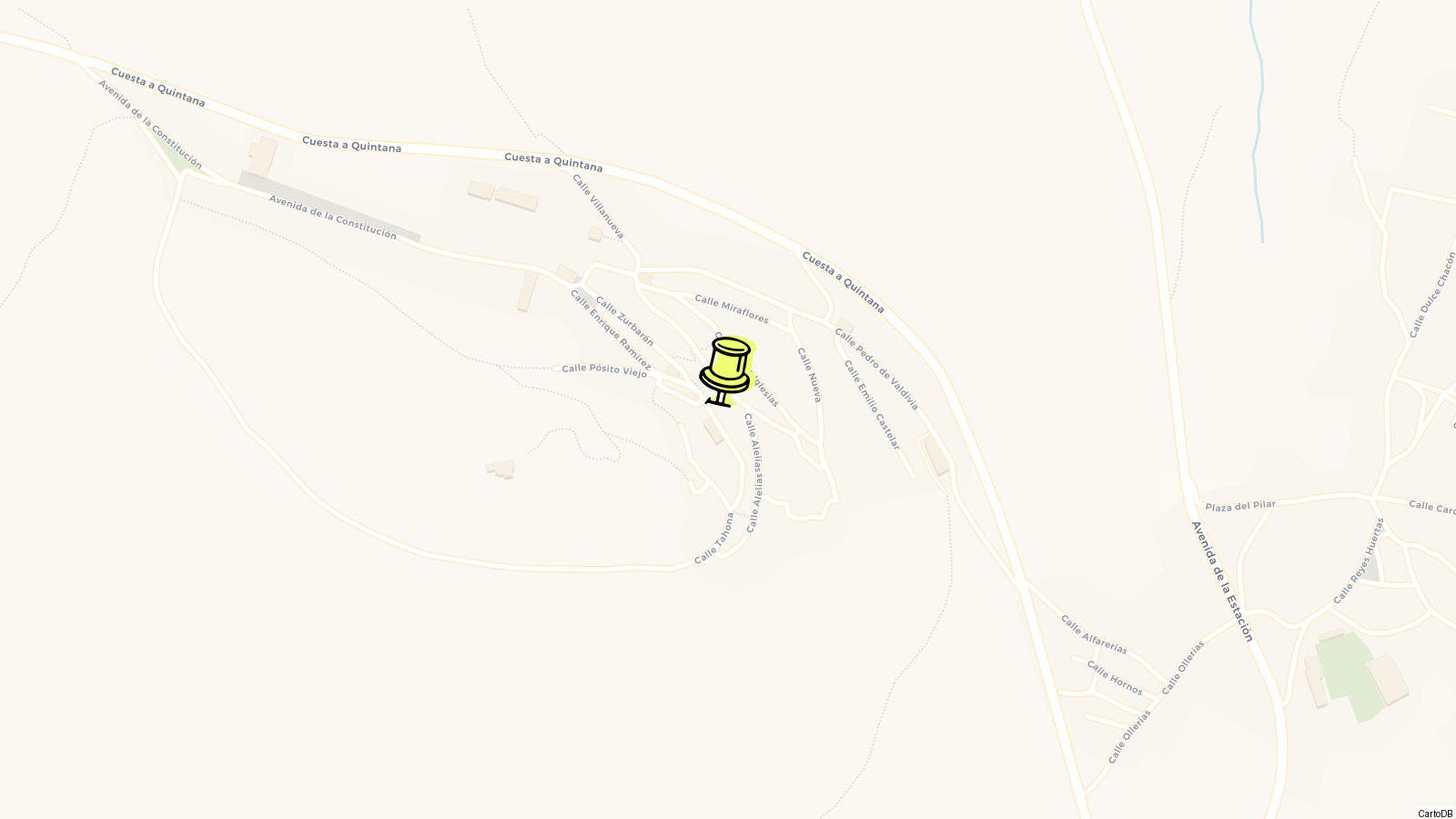
The town is small but not empty: at the main roundabout, you’ll find the Ayuntamiento (Avenida de la Constitución, 2, closed weekends), which doubles as the local tourist info stop. No entrance fees for the castle or dolmen, you just show up and walk in.
People here live with a wide, open sky and habits that match rural Extremadura: late dinners, all holidays respected, and no one in a rush unless there’s rain threatening the wheat harvest. If you want all the details, the municipal website is https://magacela.es/ and their phone is +34 924 853 011.
If you’re passing through, you’re probably on the way to Mérida, Badajoz, or possibly heading to one of the region’s agricultural fairs. Magacela gets barely a ripple of the international tourism that floods places like Cáceres. Folks here may ask what brings you; don’t be surprised if the answer “curiosity” is met with opinions about the best season or a rundown of what’s open that day. You’ll see old men sitting in the shade under plane trees, farm trucks coming through, and at fiestas, everyone, kids, elders, and stragglers from nearby villages, packing into the tiny plaza.
Food is home-cooked and meaty (think “caldereta” lamb stew or “migas” in winter). There’s rarely a menu in English; you order what they have. Cell signal is good up on the hill, patchy down below. If you’re serious about history, bring a flashlight for dusk at the dolmen or castle, and don’t count on public transport after dark.
History
The dolmen just outside Magacela is older than the pyramids. People were burying their dead here under slabs of stone in the third millennium BCE, and you can still see that structure standing in the plain today. What they left behind, the bones, ceramics, and later the Estela de Magacela (a chunky late Bronze Age tombstone covered in geometric engravings), turns up in the Museo Arqueológico Nacional in Madrid. Magacela has a replica, but the original never came back.
By the time Phoenician and Roman traders started poking around this part of Extremadura, people were already trekking up and down the hill’s slopes. If you listen to the legends, the town’s name might come from Arabic ‘Umm Gazala’, though some local lore claims a Latin origin: ‘magna cella’ or ‘maga’ plus ‘cella’, maybe a wink to the dolmen’s mystical role. The official paperwork is silent, but you’ll spot both stories in village gossip.
Castles are thick on the ground in Extremadura, and Magacela’s own fort went up after the reconquista dragged this patch of land away from Al-Andalus. On 24 April 1234, Frey Arias Pérez and the Order of Alcántara took the hill and got a shiny royal grant of the place from King Fernando III not long after. The castle’s bones, adapting to that weirdly shaped, 250-meter rocky ridge, are still up there now, battered but recognisable.
The reconquista didn’t just swap lords; it carved up the borderline between two powerful orders, the knights of Alcántara and Santiago. In 1253–1254, surveyors hammered out the municipal boundaries between Magacela, Hornachos, and Medellín. Those lines mattered: they decided who collected your taxes, who bossed you around, and where each order was supposed to keep Muslim raiders (and rival Christians) in check.
Christian lords built over what the old Muslim fortress left behind, but you can still find Arab elements mixed into ruined walls if you poke around carefully. The town didn’t make regional headlines, but the castle stayed strategic for years: controlling these dry plains meant controlling any movements north-south between real powers in Mérida or Medellín.
After Spanish unification and the slow shrinkage of the military orders, Magacela became a quieter place. In 1842, census takers jotted down 1,114 people living in 286 houses. Fast-forward to 2020, and the population had dropped to 523. It’s one of those Extremaduran towns where the pace has slowed but history keeps peeking out at you, from the dolmen, or in the mismatched stones of the castle, or in the bits of Moorish and medieval masonry patched into someone’s wall.
After centuries under ecclesiastical and knightly landlords, Magacela ended up, like most of rural Spain, passing through much redistricting. By 1834, it was folded into the district of Villanueva de la Serena, that’s still how the mail gets sorted now.
Walk through town and you’re really walking through layers: stone age burials on the plain, Bronze Age gravemarkers shipped off to Madrid, the lumpy castle high above dating from the 13th century, and the later whitewashed houses patching up older walls. In 1994, someone in the regional government finally declared the lot a “Bien de Interés Cultural” for its historic interest, meaning, yes, you should expect to see some “protected” plaques and maybe slightly less graffiti on the old stone.
If you want to geek out on historical objects, the town does have its own mini-museum vibes, at least in the way locals sometimes display artifacts in bars or local buildings. The “Estela de Magacela” gets pride of place in history books because its engravings are fancier than most stelae from the same era, wavy lines, weapons, not just grim faces. Officially, though, the original lives in Madrid; ask for the replica if you’re passing through the ayuntamiento.
The modern town plans its “fiestas” around Catholic dates, but dig a bit and people still go up to the dolmen for the odd ritual, and the annual Feria draws more faces than live here year-round. No UNESCO status for Magacela, but you catch scattered tourists hiking past, the castle and dolmen don’t charge or need bookings, and half the appeal is that they’re almost always empty.
Visiting
The main thing people actually come to Magacela for is the old hilltop fortress and the stone burial monument out on the plain. Both are free, no tickets, rarely a soul in sight unless it’s Easter or August. Wear solid shoes: from the village center to the castle is a climb, unshaded, about 15 minutes straight up the winding streets. The climb is short but hot in summer, don’t try it at 3pm in July unless you like oven-baked sightseeing.
Castillo de Magacela
You’ll see the walls as soon as you get into town. The access is at the top of the old village, just follow the signs reading “Castillo.” The last bit is a ramp through a crumbling stone arch (packed earth and old steps, so watch your footing). Inside, there’s not much in the way of signs or security, it really is just you, the wind, and views across the flat plains all the way to Villanueva de la Serena. The walls snake along the ridge for about 250 meters, hugging the outcrop and splitting into three stepped enclosures. Go up to the keep ruin for the best photo spot. Nothing is roped off. If you have kids, keep them away from edges: there are sudden drops.
Exploring the Castle
The remains are mostly rough walls and foundations, but you can still picture where the garrison would have holed up when the Order of Alcántara ran things here (see the history section for more on that). What makes it interesting is how the fortress sprawls awkwardly along the jagged ridge. Walk the perimeter path, which takes you past bits of pottery embedded in the soil, an old cistern, and several towers whose only company is the scrub and some nesting kestrels. On a windy day, this place feels desolate and ancient. Bring water, there is nowhere to refill once you leave the village.
Dolmen de Magacela
The dolmen is about a kilometer out from the main village, marked by a signpost just off the EX-348 road. Park near the small picnic area and walk over, you’ll see a cluster of upright stones and the flat capstone, surprisingly intact for something that’s older than most pyramids. No ticket, no entrance fee, and usually nobody but sheep for company. Morning or late afternoon is best, the midday sun here is brutal unless you want the authentic prehistoric experience.
If you like prehistory, check out the replica of the “Estela de Magacela” (the original is in the Museo Arqueológico Nacional in Madrid). The replica sits in the town near the cultural center, ask at the Ayuntamiento if you can’t find it.
The Village: Quick Orientation
The Ayuntamiento (Town Hall) is at Avenida de la Constitución, 2. You won’t find an official turismo office, but if you need local info or want to see the replica stele, the staff are helpful (weekdays only, closed weekends and holidays). Magacela’s website also posts municipal news: magacela.es.
What Else?
After you’ve done the castle and the dolmen, stroll the old streets. People still live in faded whitewashed houses under satellite dishes and fig trees. There’s a replica of the Estela right in town. For a quick drink or lunch, the options are basic, mainly one bar near the plaza, usually open for lunchtime and in the evening.
Potential Walk
If you’re up for a longer walk, follow the dirt track from the dolmen area southeast towards the olive groves and back up through the lower village. It’s not a marked trail, just rural farm paths, but the views are good and you’ll pass old stone wells and cisterns.
Tips
-
The ground around the dolmen and the fortress is rocky and uneven. Bring trainers or sturdy shoes unless you want a twisted ankle. In summer, the stones get hot enough to burn your hands, so don’t touch the walls without checking first.
-
If you want information on Magacela while you’re there, your best bet is the Town Hall (Ayuntamiento) at Avenida de la Constitución, 2. It’s only open Monday to Friday, 9:00 to 14:00, and closed on weekends and public holidays. The staff don’t always speak English, but will point you to the right person or give you a printout if you ask.
-
There’s no public toilet anywhere near the dolmen or the castle. Use the bar in the main square (Plaza de España) before heading up the hill, buy a coffee, use the facilities, then start your climb.
-
The only shop is a small grocery on Calle Herrera. It closes for siesta (about 14:00-17:30) and shuts completely by 21:00. Don’t count on it for dinner; after 21:00 your only real food option is whatever’s available in the single bar.
-
Summer gets brutally hot, regularly over 35 °C in July and August, and the castle has no shade or water. Bring a hat, at least a liter of water per person, and start your walk before 10:00 or after 19:30.
Best (and worst) times
The first half of April and the end of September are the most pleasant for walking, daytime highs hover around 22-26 °C, wildflowers bloom all over the plain, and the evenings are comfortable. June through mid-September is basically sunstroke season. December and January can surprise you with mud and biting gusts at the hilltop, but you’ll have the place to yourself. Easter week brings more visitors, sometimes a handful of cars at the dolmen midday, but otherwise crowds are a non-issue.
Internet and phone coverage
Signal drops out near the dolmen. The main square and castle hilltop usually get spotty 4G coverage on Movistar and Orange. Free Wi-Fi doesn’t exist, and shop staff won’t hotspot you. Download anything you need ahead of time, including maps.
-
Dogs are allowed everywhere outside, but locals keep theirs leashed. There are free-ranging sheep near the dolmen some mornings, don’t let your dog chase them.
-
No one sells water or souvenirs at the castle or dolmen. Bring everything you need or plan for a pit stop back in town.
-
Trash cans are rare on the walk to the dolmen and up to the castle. Pack your rubbish out, locals notice when visitors leave bottles.
-
If you want the best sunset view, climb up to the fortress 45 minutes before sunset and sit on the upper plateau, looking west over the plains. It sounds obvious, but the ruins are rough; bring a flashlight (your phone is usually enough) so you don’t twist an ankle getting down in dim light.
-
For all official info (including phone numbers, local rules, or updates about closures), check magacela.es before your visit. The website isn’t always up-to-date, but it’s the official source.
Know this destination? Help us improve
Your local experience is valuable to other travelers.