Conímbriga
The best-preserved Roman town in Portugal, walls and floors intact

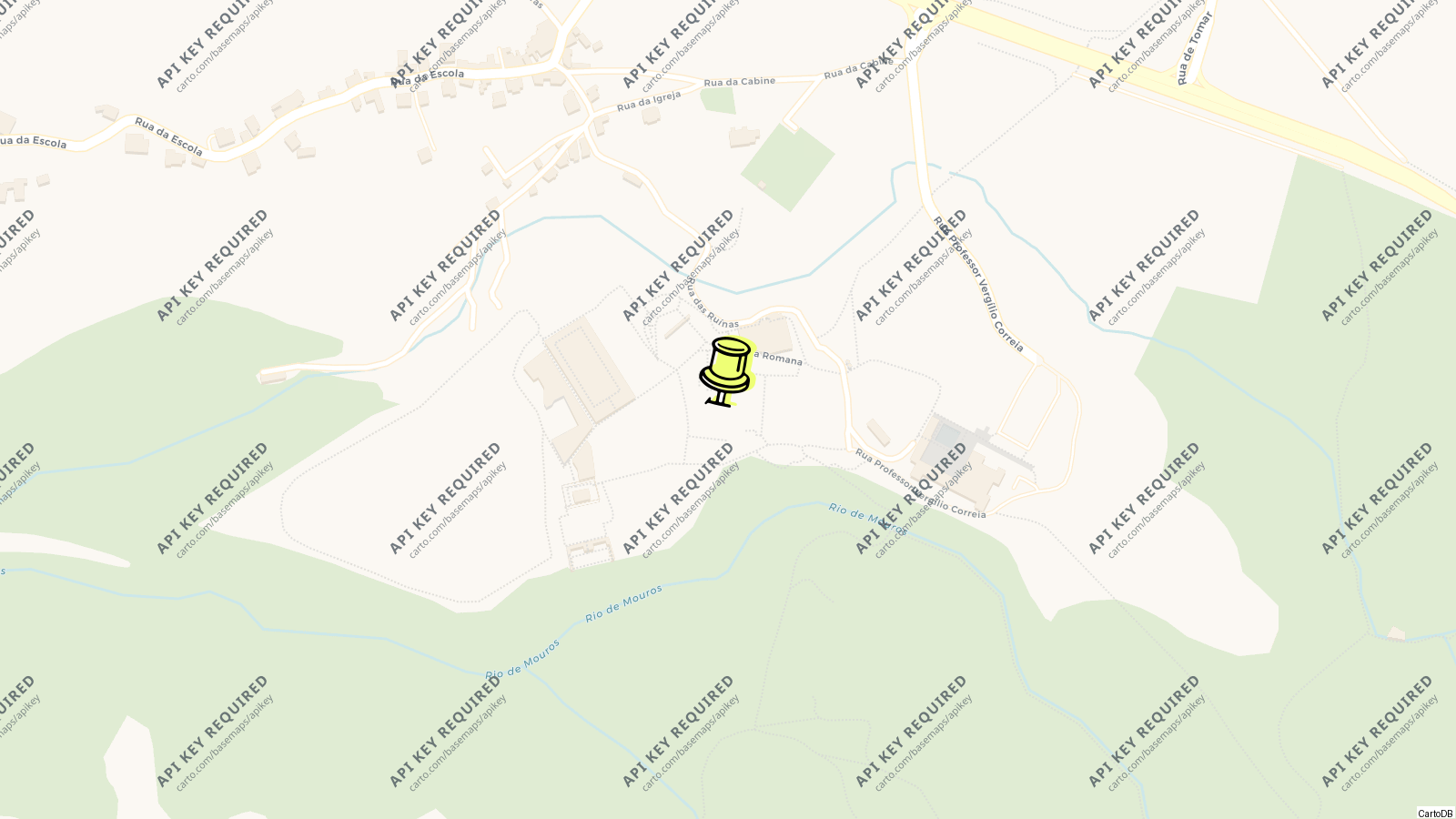
Essential info
Visit details
Overview
Conímbriga is the best-preserved Roman town in Portugal, a walled settlement on a spur 16 km south of Coimbra and 2 km from Condeixa-a-Nova, with a forum, baths, an aqueduct, streets of houses and the great peristyle villa called the House of the Fountains, its tessellated floors still in place under a canopy. It has been a National Monument since 1910 and has a museum of the finds with a restaurant; only about a tenth of the city has been dug.
The visit is a walk through a Roman town at ground level, in and out of houses whose floor plans and water gardens survive, along the 1,500 m of late-3rd-century wall that was thrown up through the middle of the suburbs when the empire began to fail, and into the museum for the coins, surgical tools and pottery; it is open daily from 10:00 to 18:00.
History
The spur was occupied from the 9th century BC by the Castro culture and by the Conii, and the name means the citadel of the rocky eminence; it lay on the road from Lisbon to Braga through Aeminium, the Roman Coimbra. Rome arrived around 139 BC with Decimus Junius Brutus, laid out a formal town, and under Vespasian, between 69 and 79 AD, raised it to a municipium; the amphitheatre suggests about 10,600 people, Italian settler families marrying into local ones.
The House of the Fountains was begun in the 2nd century; at the end of the 3rd the Augustan walls were replaced by the present ones, cutting through the town, and the baths and the big houses were rebuilt, with a Christian basilica in the 4th century. The Sueves destroyed the city between 465 and 468 and its people scattered, some into slavery; a bishopric was set up here between 561 and 572 and moved to Aeminium by 589, which is how Coimbra got its name and its bishop. Excavation began in 1873 and 1899, the state bought the land in 1930, the museum opened in 1962, and a joint Portuguese-French mission from Bordeaux uncovered the centre from 1964.
Visiting
Enter by the visitors’ centre and museum, whose collection of coins, surgical instruments, utensils and ceramics puts the ruins in order, then walk out along the road into the town. The east gate through the late wall, vaulted and once flanked by two towers, is the threshold; the wall runs 1,500 m round the core, with passages alongside to drain it.
Inside are the forum, rebuilt under the Flavians over the republican one, the basilica and shops, the baths with their hypocausts, the aqueduct, and the insulae, the multi-storey houses with courtyards. The House of the Fountains, the Casa dos Repuxos, is the centrepiece: a peristyle domus around a garden of pools and jets, with tessellated floors of hunting scenes, animals and geometry under the awning installed in 1986, the fountains switched on at intervals. The House of Cantaber, the mansion of the city’s leading family in the 5th century, is the other great house, with its own baths, and the paleo-Christian basilica is beside it.
Tips
- Buses run from Coimbra’s terminal to Condeixa; the site is a 2 km walk or a taxi from the town.
- The museum restaurant is the only food on site and the shade is scarce; summer afternoons on the spur are hot.
- The fountains in the House of the Fountains run on a timer; ask at the desk when.
- Allow two hours; the walls and the outer houses are further than they look on the plan.
Nearby
Know this destination? Help us improve
Your local experience is valuable to other travelers.