Sanctuary of Fátima
The shrine of the 1917 apparitions and its two basilicas

Visit details
Overview
The Sanctuary of Fátima is the Marian shrine built on the Cova da Iria, the field where three shepherd children, Lúcia Santos and her cousins Francisco and Jacinta Marto, said the Virgin appeared to them on the 13th of each month from May to October 1917, ending with the crowd’s Miracle of the Sun on 13 October. It is one of the largest Catholic pilgrimage sites in the world, with about four million visitors a year and crowds approaching a million on 13 May and 13 October.
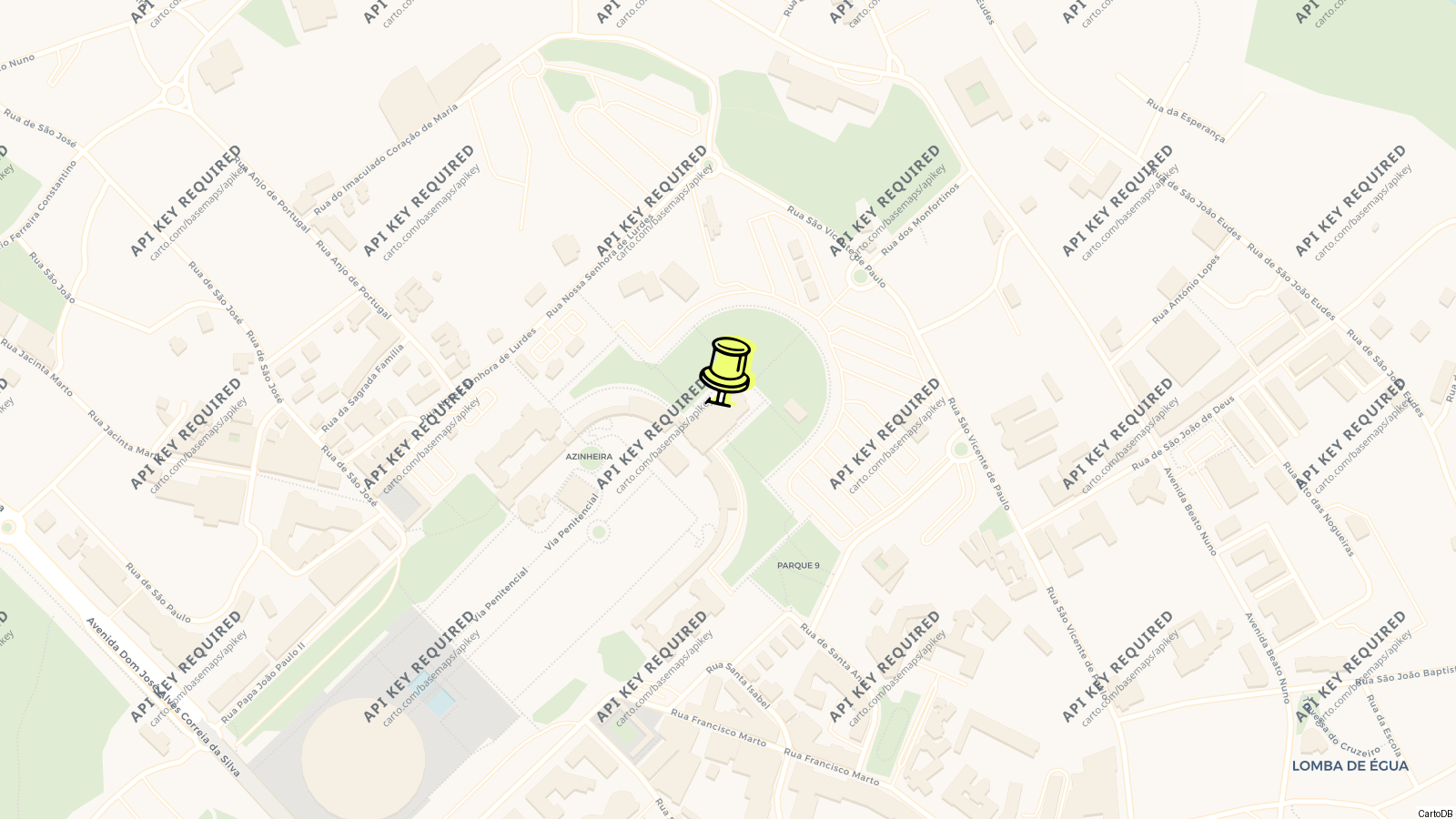
The complex is a vast esplanade between two basilicas: the Basilica of Our Lady of the Rosary of 1928 to 1953, with its 65 m tower and the tombs of the three seers, and the far larger Basilica of the Holy Trinity across the square, built because the old one could not hold the pilgrimages; between them, the little Chapel of the Apparitions on the spot itself, with the holm oak, the candle-burning area and the pilgrims moving on their knees along the marble path.
History
The children reported an angel in 1916 and the Virgin from 13 May 1917, were briefly jailed by the anticlerical authorities, and drew growing crowds until October. Francisco died in 1919 and Jacinta in 1920, in the flu pandemic; local people began the Chapel of the Apparitions in April 1919 without the Church’s blessing, pilgrims defied troops to install a statue in 1920, the chapel was blown up in March 1922 and rebuilt by 1923, and the Church opened its inquiry in May 1922.
The bishop of Leiria presided over the first official service in 1927, the basilica’s foundation stone was laid on 13 May 1928 to a design by the Dutch-born Gerardus van Krieken, the cult was authorised in 1930, and the church was consecrated in 1953 and made a basilica in 1954, its colonnade by António Lino finished the same year. Jacinta’s remains were moved to the basilica in 1951 and Francisco’s in 1952. Paul VI came for the 50th anniversary in 1967, John Paul II in 1982 and 1991, and the Chapel of the Lausperene was built after his 1982 visit; the town became a city in 1997. In January 2026 Storm Kristin destroyed more than 500 of the sanctuary’s trees.
Visiting
Start at the Chapel of the Apparitions, the small open-sided chapel on the site of the 1919 original, where the statue of Our Lady of Fátima stands under a canopy and Mass is said through the day; the great holm oak beside it marks where the apparitions were reported, and the penitents’ path runs across the esplanade towards it. The Basilica of Our Lady of the Rosary closes the north end: neoclassical, 65 m to the top of the tower with a 7,000 kg bronze crown and a lit cross, a carillon of 62 bells cast in Braga, and inside the tombs of Francisco and Jacinta Marto and of Sister Lúcia, who died in 2005, with the organ in the high choir.
Across the esplanade the Basilica of the Holy Trinity, a low circular hall, takes the overflow of the great pilgrimages. The rest of the complex is the Lausperene chapel, the monument to the Sacred Heart in the centre of the square, the exhibition of ex-votos and the museum; the 11 km stations of the cross on the road up from Reguengo do Fetal, blessed in 1927, are the pilgrims’ approach, and the seers’ houses at Aljustrel, 2 km away, are the other visit.
Tips
- The 12th and 13th of May and October are the pilgrimages, with a candlelight procession on the night of the 12th and Mass on the morning of the 13th; come for them, with a booked room months ahead, or avoid them.
- The esplanade is open and shadeless; the basilica is the cool.
- Dress covers shoulders and knees inside the churches and the chapel, and silence is expected on the marble path.
- Fátima is a town of religious shops and hotels and little else; Batalha and Tomar are each under half an hour for the rest of the day.
Nearby
- Aljustrel, the seers’ village: 2 km.
- Batalha Monastery: 20 km west.
- Tomar: 30 km east.
- Leiria: 25 km.
Know this destination? Help us improve
Your local experience is valuable to other travelers.