Uclés
A massive monastery watches over just 230 people and endless sunflower fields on the Mancha Alta plateau, 86 km southeast of Madrid.
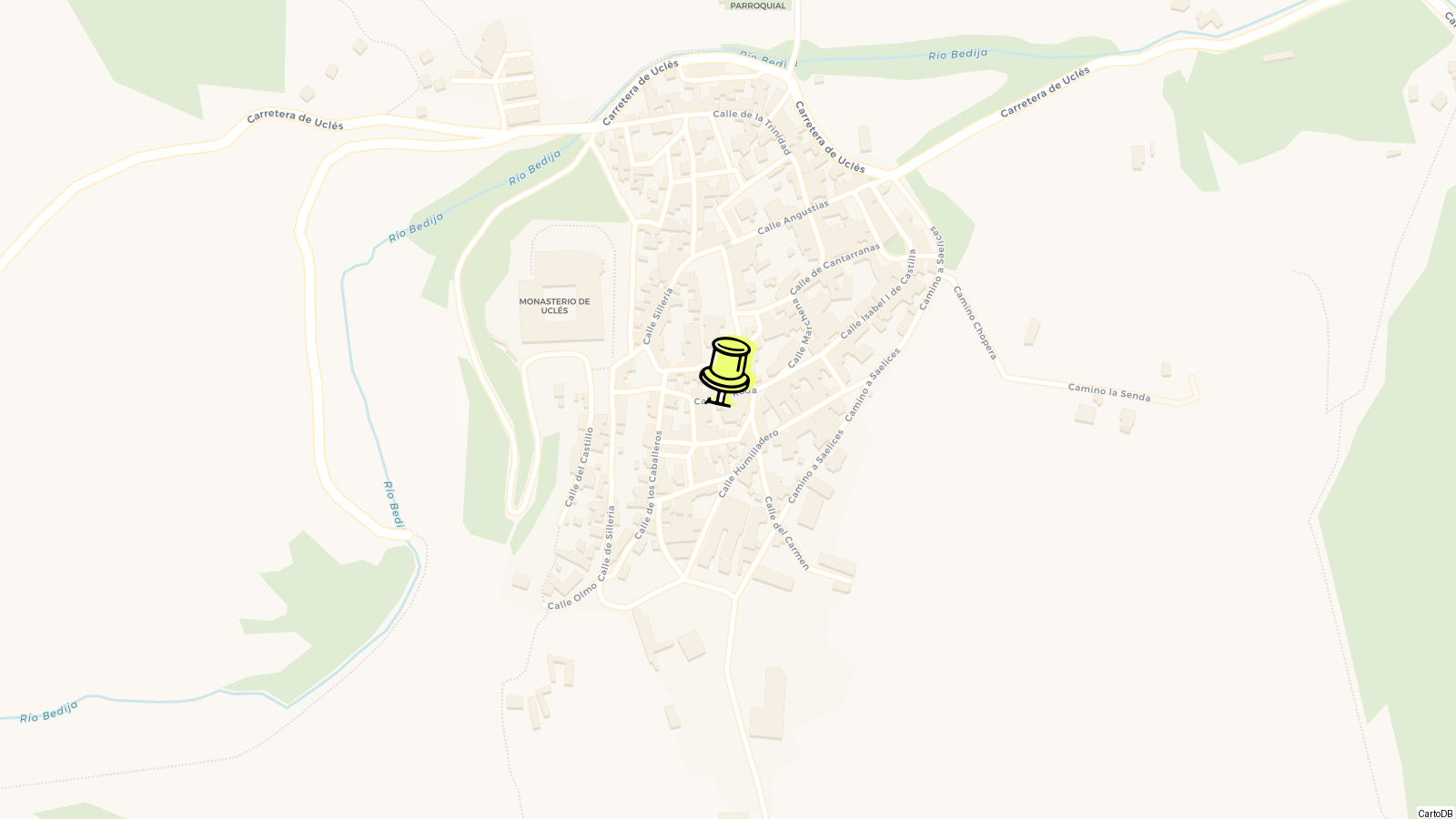
Visit details
Overview
Uclés sits about 86 km southeast of Madrid by road, with just 230 inhabitants spread over 65 km² of wheat and sunflower fields in the Mancha Alta plateau. The essential reason to come is the Monastery of Uclés: a hulking Renaissance and Baroque complex whose pale stone dominates the ridge. This isn’t a sleepy church, construction started in 1529 under Charles I and trailed on for more than 200 years, picking up scars and flourishes from every period until Felipe V wrapped it up in 1735.
This is a one-café, one-bakery kind of town. Streets are quiet by noon, especially in summer, when it hits 30 °C and the siesta is non-negotiable. Out here, the Order of Santiago set up their main base in 1174, when Alfonso VIII gave them the fortress. The three watchtowers and the zigzag medieval ramparts still cling to the hill, looking out over the patchwork of fields. Once every few months, the Fundación Fernando Núñez runs concerts, modern art pop-ups, even the odd gastro event in the monastery’s cavernous halls.
If you’re into history, the local past is thick with actual battles: in 1108, a bloodbath that cost King Alfonso VI his only son; in January 1809, French troops not only fought but looted the monastery, smashing up what remained. A stroll through town takes you past Fuente Redonda (traces of Romans), and outside, iron-age urn fields. You’ll cross routes with pilgrims hiking one of the off-shoot Caminos or wine enthusiasts tracing the Uclés DOP trail, yes, the Tempranillo here is legit.
Nobody comes for the nightlife. If you stay overnight, it’s for the silence or the view of the monastery glowing after sunset, which, in this part of La Mancha, is about as loud as things get. For anything else, start with the Uclés town hall website or dial +34 969 135 051.
History
When al-Fath ben Musa of the Banu Dhi-l-Nun clan took up residence here in 893, he didn’t just settle in; he fortified the hill and built a proper stronghold between 896 and 908. This walled fortress, which once sprawled across nearly one square kilometer, was the heartbeat of local power struggles for centuries. Today, you’ll see just three towers, Pontido, Palomar, and the Albarrana, plus a stretch of zigzag wall; the rest is long gone or lies under the stones of later eras. The last major restoration of the towers happened in 2001.
Fortress and Taifa Power
During the Taifa period, Uclés wielded real influence. In 1025, Ismaíl al-Záfir declared himself king of the Taifa of Toledo from right here, controlling lands all the way to Valencia and Córdoba. The castle’s position made it a prize in every Muslim-Christian back-and-forth.
1108 was trauma. That’s the year of the first Battle of Uclés: Almoravid forces crushed a Castilian army, with records saying 3,000 Christian soldiers died. The most notable casualty was Sancho Alfónsez, the only legitimate son of Alfonso VI, a death that scrambled the succession for Castile and left the land wide open.
Reconquista Chessboard
Over the next 60 years, Uclés became a chess piece, passing out of Muslim hands for the first time in 1085, seized again by the Almoravids in 1108, and finally secured by Christian forces in 1174. That’s when Alfonso VIII handed Uclés to the Order of Santiago. For the Knights, it wasn’t just an outpost: Uclés became their “Caput Ordinis” (headquarters), their version of a Vatican. This status turned the castle and the future monastery into symbols of power, landholding, and sometimes plain old bureaucracy.
The site everyone photographs today, the Monastery of Uclés, came much later. Construction started under Charles I (who was also Holy Roman Emperor Charles V) in 1529, finishing only in 1735 under Philip V. That’s two centuries with workers, masons, and plenty of bishops passing through, so the building is a patchwork: you’ll spot plateresque, Herrerian, and Baroque details cobbled together as styles and fortunes changed.
Napoleon’s troops didn’t leave their mark so much as erase everyone else’s. In January 1809, during the Peninsular War, another pitched Battle of Uclés ended disastrously for local Spanish defenders. French troops stormed into the monastery, looted it, and committed retaliatory atrocities that locals still talk about. It’s one of the few times Uclés made the European news.
The Monastery as a Palimpsest
The monastery today hosts exhibitions, concerts, and food weekends rather than monks, thanks to the Fundación Fernando Núñez since 2020. The foundations reuse the earlier Moorish and Castilian stonework; several walls even incorporate bits of the old fortress. The arms of the Order of Santiago, carved over the main door, reflect its role as a nerve center for the knights, who managed everything from local prosaic taxes to crusadl…
Today, locals joke that Uclés keeps reinventing itself: from regional powerbase to military HQ to seminary, and now cultural destination hosting summer concerts where knights once argued logistics.
Ancient Traces
There’s even older history underfoot if you go looking. “Fuente Redonda,” just outside town, once housed a Roman-era altar to Airón, now moved to the Segóbriga archaeological park. Near Haza del Arca, archaeologists dug up Iron Age and late-Roman urns, showing people have buried their dead (and their gods) here for at least two millennia.
Visiting
You want the full Uclés experience, start with the Monasterio. Ticket desk is right at the main gates, check current hours and prices at ucles.es, but you’ll usually pay €7-8 for a regular adult entry, with discounts for students and retirees. Guided tours are worth it if you want to get beyond the basics, and are often available weekends and holidays (ask at the desk, or book ahead if traveling in a group). Most of the group tours are in Spanish, but audio guides in English are sometimes available, double check when you arrive or call ahead at +34 969 135 051.
Inside, you climb a broad staircase up to a cloistered square, set around a Renaissance patio. The grand church is straight ahead, packed with imposing gray stone and the carved crest of the Order of Santiago everywhere you look. Don’t miss the choir stalls and the sacristy’s vault, peek inside even if it looks roped off, since they sometimes open just for small groups. You’ll circle through halls with geometric floors and passing the old refectory, then out into sunny arcades lined with massive plank doors.
If you’re into event spaces, the monastery has embraced its new, slightly offbeat role since 2020: exhibitions, concerts (especially in summer), and the random gastro-festival get hosted in the big halls. Some programs are ticketed separately, so ask what’s on. Don’t expect a slick museum, think grand, sometimes drafty stone, with decent signage in Spanish but very little English. If you’re lucky with timing, you may see a temporary contemporary art exhibit or a food event showing off local wines.
Looping outside the monastery, follow the road up the hill for the remains of the old fortress. Only three towers (Pontido, Palomar, and Albarrana) and zigzagging walls are left, but you can walk right up to the stone and scramble around parts restored in 2001. No tickets here; the area is unfenced and open 24 hours, but take care, no lighting at night and some walls have crumbling sections.
Exploring the fortress
The medieval fortress once covered almost a square kilometer, but what’s left are fragments: start at the Pontido tower (closest to the monastery car park), then skirt along the base of the zigzag wall up to Palomar and Albarrana towers. Best time for photos is late afternoon, when the stone glows warm and the fields stretch out for miles. If you’re a castle nerd or photographer, bring solid shoes, scrambling is definitely required.
If you came by car, look for signed parking just downhill from the monastery. The climb is steep but short. There’s no on-site café, but a couple of bars in the lower town (Calle Ancha and around the tiny central plaza) will do coffee, cold drinks, and simple food. For picnic types, grab snacks beforehand, facilities in Uclés are basic and main shops close for siesta.
Food and drink scene
For a real meal, come at lunch. Local specialties (more in the food section) are easiest to find in nearby towns, but weekends sometimes see pop-up stalls inside the monastery for visiting events. The rest of the week, bring your own supplies or eat at the local bar, don’t expect white tablecloths, but you’ll get a beer and something filling.
For a longer wander, follow the rural paths into fields of cereals and sunflowers outside town in spring and early summer. If you want a real walk, aim for Fuente Redonda on the edge of the village: the site has no standing ruins, but this is where a Roman altar to Airón was found, now parked in the Segóbriga archaeological park, but locals still point out the spring’s spot. Less than a kilometer away is the ‘Haza del Arca’ necropolis; you might spot shifting earthworks, but the grave goods are off-site.
Tips
-
Bring cash; the monastery ticket desk rarely takes cards, and the only ATM is in Tarancón, 20 minutes away.
-
Dress in layers. Even in June, mornings can start below 13°C, then spike past 30°C by afternoon. Monastery interiors stay cool; you’ll want a jacket from October to April.
-
There are no taxis, bus stops, or train stations in Uclés. You need your own wheels or a friend to drop you off and pick you up. The nearest rental car options are in Tarancón.
-
For food, plan ahead. Restaurants keep Spanish hours: kitchens close from about 4pm to 8:30pm. Don’t expect dinner before 8:30pm or a menu del día on Sundays.
-
Signal is decent in the main village but unreliable in the sunflower fields or near the ruined fortress walls. Download anything you need before arrival.
-
If you want to visit the fortress towers (Pontido, Palomar, Albarrana), check ahead, these are not always open to the public and were last restored in 2001, so access can be patchy. Ask at the monastery ticket desk for the latest.
-
Wine tasting isn’t a spontaneous thing here. Uclés DO wineries require appointments, and some only host groups. Call ahead or email the bodega directly.
-
The Uclés tourism office is basically the town hall (Ayuntamiento). Hours are irregular, and staff may be out running errands. Best to call +34 969 135 051 before stopping by.
How to make a monastery visit work smoothly
The ucles.es website is your starting point for hours, events, and guided tour bookings in English or Spanish. Guided tours (visita guiada) aren’t every day, often just weekends and holidays, so reserve if you want more than the self-guided route. Schedules change seasonally and may close for private events. Prices for standard adult entry hover around €7-8 as of 2025, slightly more for special concerts or night tours, these are advertised weeks in advance and often sell out with locals from nearby towns.
Photography rules are relaxed: you can take all the photos you want inside and out (no flash in some chapels). Bag checks are rare but don’t bring big backpacks, there’s nowhere to store them. Bathrooms are inside the main visitor lobby.
- Sunset from the high point by the zigzag fortress wall is the best Instagram shot in town, bring a snack and water, because nothing is open up there.
Know this destination? Help us improve
Your local experience is valuable to other travelers.