Praia do Norte
Where the biggest waves ever surfed break under the lighthouse

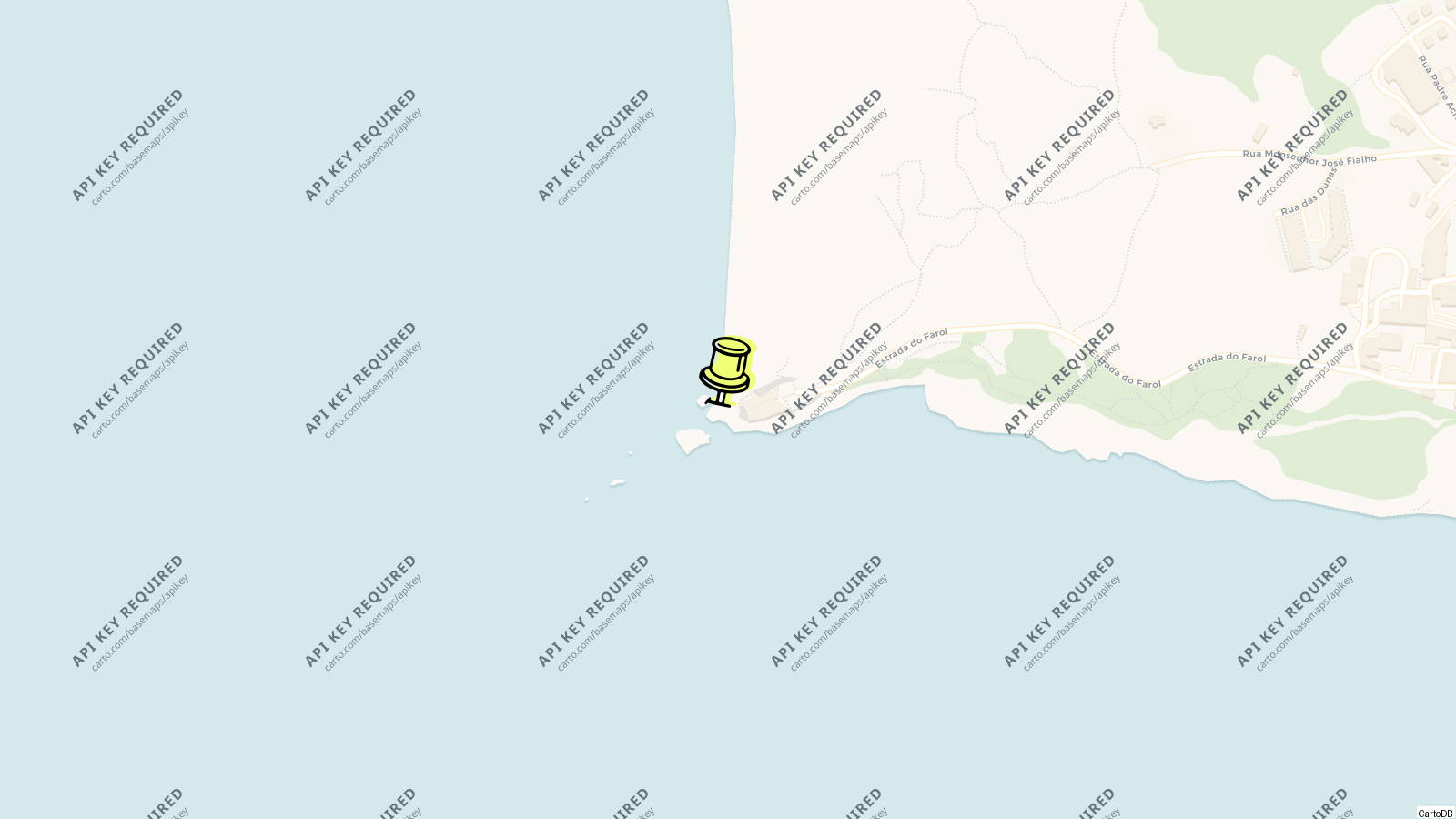
Overview
Praia do Norte is the beach north of the headland at Nazaré where the biggest waves ever surfed have broken: a wide Atlantic beach that looks ordinary in summer and, when a winter swell meets the submarine canyon offshore, throws up walls of white water 20 m and more high under the lighthouse fort. Garrett McNamara’s 23.8 m wave here in November 2011 put it in the record books, Rodrigo Koxa rode 24.4 m in 2017, and Sebastian Steudtner’s 26.2 m of October 2020 is the official record, with a 28.5 m ride in February 2024 awaiting ratification.
It is a place to watch, not to swim: the Tudor Nazaré Tow Surfing Challenge, part of the WSL big-wave series, is held here in the winter months, the crowds stand on the slope by the fort, and the beach itself is dangerous at any time of year.
Visiting
The viewing point is the Forte de São Miguel Arcanjo, the lighthouse fort on the headland between the town beach and Praia do Norte, reached by walking out from the Sítio, the cliff-top village above Nazaré that the funicular serves; the fort has a small surfing exhibition and the slope below it is where the crowd stands when the swell is up. On a big day the jet skis launch from the harbour, tow the surfers on to the waves, and the whole show is visible from the cliff with the naked eye; forecasts announce the days a few days out, and the tow-in contest waits for them.
The beach itself, reached from the road behind the headland, is a vast expanse of sand backed by dunes; in summer it is quiet and in winter it is where the water goes after the wave breaks. Swimming is dangerous and the lifeguards’ flags are not optional.
History
The waves are the work of the Nazaré Canyon, a submarine gorge 230 km long and up to 5,000 m deep that ends just off the beach and makes incoming swells interfere constructively, so that they stack up far higher than on any neighbouring shore. Local surfers and bodyboarders knew the break, but it was McNamara’s record of 2011 and his return in January 2013 on a wave that looked larger still that made it famous, followed by the HBO series that told his story.
The records have come almost yearly since: Koxa’s 24.4 m on 8 November 2017, the same day Nuno Figueiredo set a kitesurfing record of 19 m; Maya Gabeira’s women’s records of 20.8 m in 2018 and 22.4 m in February 2020; Steudtner’s 26.2 m on 29 October 2020, ratified as the largest wave ever surfed; and his 28.5 m ride of 24 February 2024, measured with Porsche engineers and not yet official. A Brazilian surfer, Márcio Freire, died practising tow-in surfing here in January 2023.
Tips
- Big waves need a forecast: October to March, after a North Atlantic storm, with the swell direction right. On a calm winter day you will see a large sea and nothing else.
- The road to the fort closes on event days and the town fills; park in the Praia and take the funicular up.
- The lighthouse view is the one; the beach-level view is white water and spray.
- Do not swim here, ever; use the town beach in the bay.
Nearby
- Sítio da Nazaré, the shrine and the funicular: five minutes’ walk from the fort.
- Nazaré town and beach: the funicular ride down.
- Alcobaça Monastery: 13 km.
- São Martinho do Porto, the sheltered bay for swimming: 12 km south.
Know this destination? Help us improve
Your local experience is valuable to other travelers.