Castle of Óbidos
The queens' castle and the 1.5 km wall-walk round the village

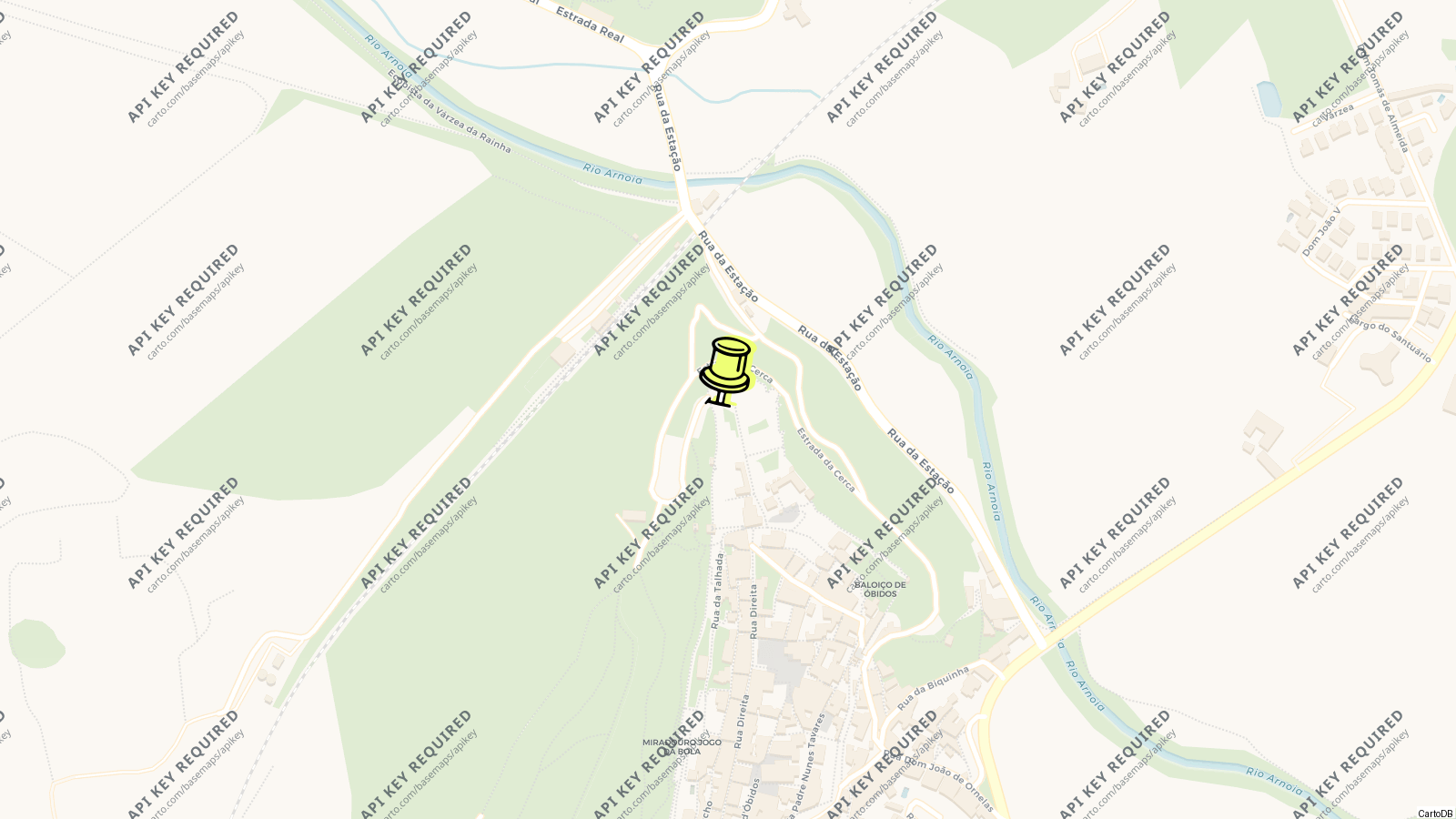
Overview
The Castle of Óbidos is the medieval fortress at the top of the walled village, on a hill that was a Roman oppidum and a Moorish stronghold, taken by Afonso Henriques by a ruse on 10 January 1148 and, from 1210, part of the estate that the kings gave to their queens; since 1950 the castle’s palace has been a pousada, and the walls that run 1,565 m round the whole village are the visit.
The village was made a National Monument in its entirety in 1951, and the point of a visit is the wall-walk, 13 m high in places and unrailed, with the view over the whitewashed lanes, the aqueduct in the fields and the lagoon beyond; the castle itself is seen from the outside unless you are sleeping in it.
History
The hill was the Eburobrittium that Pliny placed between Collipo and Lisbon, with a forum and baths found nearby; Visigoths and then Moors held it, and the Moors fortified the town in the 8th century. After the Portuguese capture of 1148 the castle was surveyed in 1153 but not fully secured until Sancho I in 1195, who rebuilt the walls and turned the Albarrã tower into a prison; Dinis restored the keep and added the barbican at the main gate.
Afonso II gave town and castle to Queen Urraca in 1210. The village held for Sancho II against the future Afonso III, earning the motto “very noble and ever loyal” on its arms, was given to Dinis and Queen Isabel on their wedding, and became the property of every queen of Portugal until 1834; Queen Isabel built the Torre de D. Fernando and joined the keep to the gallery of the church of Santiago. Queen Leonor withdrew here after her son’s death in the reign of João II, and under Manuel I’s charter of 1513 the alcaide João de Noronha rebuilt the Paços do Alcaide and the walls. The 1755 earthquake damaged the castle; in 1808 its guns fired the first rounds of the battle of Roliça, Napoleon’s first defeat; the Albarrã tower became a clock tower in 1842. Restoration began in 1932, and in 1948 the state converted the palace into the Pousada do Castelo, finished in 1950 with furniture designed for it.
Visiting
The castle occupies the north-west corner of the walled village, 79 m above sea level, a trapezoid reinforced by round and square towers, the D. Dinis and D. Fernando towers on its flanks, and a barbican on the north and west; the Albarrã tower with its clock stands on the wall between the two courtyards. Inside is the Paços dos Alcaides, a U-shaped palace whose east wing hangs over the cliff, with Gothic-arched doors on the ground floor, Manueline windows and iron balconies above, and a doorway at the head of the stair under two armillary spheres and a coat of arms; it is the pousada, with reception on the second floor, a bar in the east wing and the dining rooms on the third.
The public visit is the walls. Climb from the Porta da Vila or the castle end and walk the full circuit: along the cliffs on the west past the Cerca and Talhada gates and the Jogo da Bola watchtower to the Facho tower, then back along the north and east above the village. Below, the 3 km aqueduct built by Queen Catherine of Austria in the 16th century brings water from Usseira to the town fountains.
Tips
- The wall-walk has no railing and drops of up to 13 m; keep children by the hand and avoid it in rain or wind.
- Non-guests can see the pousada’s courtyard and bar; the rooms in the towers are the ones to book, and the cheapest are still over €130.
- The coaches arrive from mid-morning; walk the walls at 08:00 or after 18:00 and the village is yours.
- Ginja in a chocolate cup is sold at every door on the Rua Direita; buy the bottle for home from a shop, not a stall.
Nearby
- Porta da Vila and the Rua Direita: five minutes.
- Igreja de Santa Maria: three minutes.
- Senhor Jesus da Pedra sanctuary: 1 km north-east on the N8.
- Óbidos lagoon and the coast: 10 km.
Know this destination? Help us improve
Your local experience is valuable to other travelers.