Convent of Christ
Templar rotunda and the Manueline window of the Order of Christ

Essential info
Visit details
Overview
The Convent of Christ at Tomar is the castle-monastery that the Knights Templar founded in 1118 as the seat of their order in Portugal and that their successors, the Order of Christ, made the richest religious house in the kingdom on the profits of the Discoveries; it is a World Heritage site since 1983 and holds the Charola, the round Templar church of the 12th century, and the Chapter House Window, the most famous piece of Manueline carving in existence.
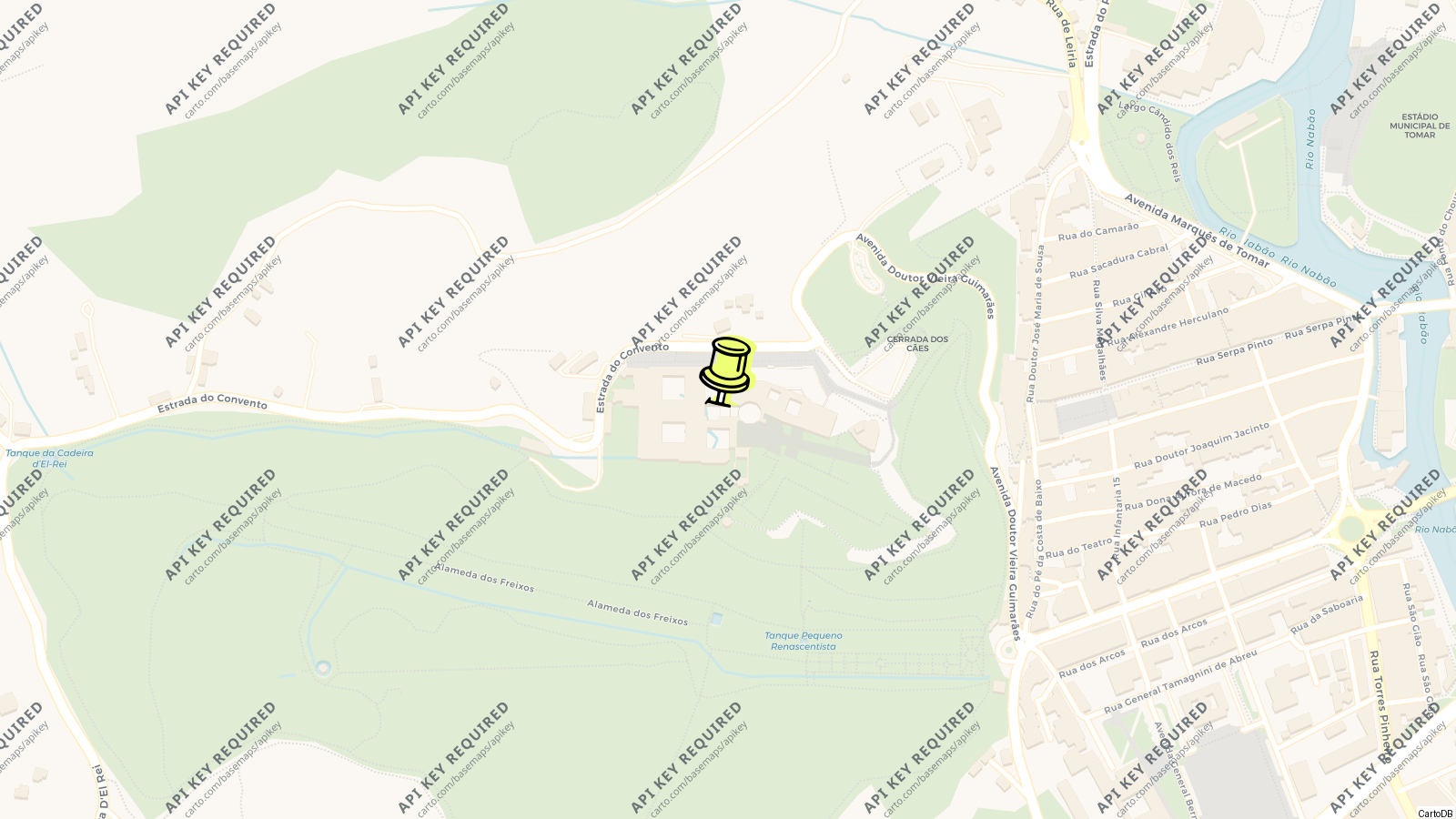
The visit runs through five centuries in one building: the Romanesque rotunda, Henry the Navigator’s Gothic cloisters, Manuel I’s nave and window, João III’s Renaissance cloister and the aqueduct of the Spanish kings, above a town laid out on a grid by Henry himself. Entry is €6 and free on Sunday and holiday mornings until 14:00.
History
The Templars built the castle around 1160 under Gualdim Pais, with the keep, the first in Portugal, and round towers in the outer wall, techniques learned in Normandy and the Holy Land; the Charola was built in the second half of the 12th century on the model of the Dome of the Rock and the Holy Sepulchre, and the castle withstood the siege of the caliph al-Mansur in 1190. When the Templars were suppressed, King Dinis had Pope John XXII institute the Order of Christ on 14 March 1319 to inherit their men and property, and Tomar became its seat in 1357.
Henry the Navigator, governor of the order from 1417 to 1450, added the Cemetery and Washing cloisters under Fernão Gonçalves, the chapel of São Jorge from 1426 and the town’s grid. Manuel I, master of the order from 1484 and king from 1495, rebuilt: the sacristy of 1484, the Manueline nave ordered in 1506 and built from 1510 by Diogo de Arruda and João de Castilho, and the redecoration of the Charola from 1499. João III demilitarised the order, gave it a rule based on Bernard of Clairvaux and in 1557 the Renaissance cloister; in 1581 the Cortes met here to recognise Philip II of Spain as king, beginning the Iberian Union, under which the Pegões aqueduct was finished in 1614.
Visiting
Enter through the castle walls and the Cemetery cloister to the Charola: from outside a 16-sided drum with buttresses and a bell tower, inside an octagon of pillars joined by arches to an ambulatory, the Romanesque capitals carved with plants, animals and Daniel in the lions’ den by masons who had worked on Coimbra cathedral. Manuel’s renovation from 1499 covered it in polychrome statues of saints and angels under Gothic canopies, attributed to Olivier de Gand and Hernán Muñoz, and painted the walls and vaults with the life of Christ from Jorge Afonso’s workshop; the Gregório Lopes panel of St Sebastian painted for it is now in Lisbon’s Museum of Ancient Art.
The Manueline nave, added west of the rotunda so that the Charola became its apse, carries on its outside the gargoyles, pinnacles, ropes, corals, armillary spheres and crosses of the order that define the style; the Chapter House Window on the west wall, seen from the cloister of Santa Bárbara, is its masterpiece, with a figure at its base thought to be Diogo de Arruda himself. Then the cloisters, seven in all, from Henry’s plain Gothic pair to João III’s great Renaissance cloister of 1557, the dormitories and the kitchen, and the walk back along the castle walls with the view over Tomar.
Tips
- Sunday and holiday mornings are free; on any day, arrive at opening to have the Charola before the groups.
- The window is outside the church: go into the Santa Bárbara cloister and look up; most people miss it.
- Walk up from the town through the Mata dos Sete Montes woods rather than driving to the car park at the top.
- Allow two hours, and add the aqueduct on the Leiria road, 6 km long and 30 m high at its tallest, on the way out.
Nearby
- Tomar old town, synagogue and river park: 15 minutes downhill.
- Pegões aqueduct: 5 km on the Leiria road.
- Castle of Almourol: 20 km south on the Tagus.
- Fátima: 30 km west.
Know this destination? Help us improve
Your local experience is valuable to other travelers.