León Cathedral
Pay €8 to see 1,800 square meters of medieval stained glass so vivid the stone walls almost disappear in León’s French Gothic cathedral

Visit details
Overview
You pay €8 to see 1,800 square meters of 13th- to 15th-century stained glass, none of that’s exaggeration, the figures are official, and these windows are a big reason León Cathedral barely looks like it even has stone walls. Think “French Gothic” taken to architectural extremes: walls shaved thin, vertical pillars everywhere, all so light can pour in from above. The cathedral’s nickname, Pulchra Leonina, literally just means “the beautiful one from León”, locals still use it, and you’ll see it on souvenirs.
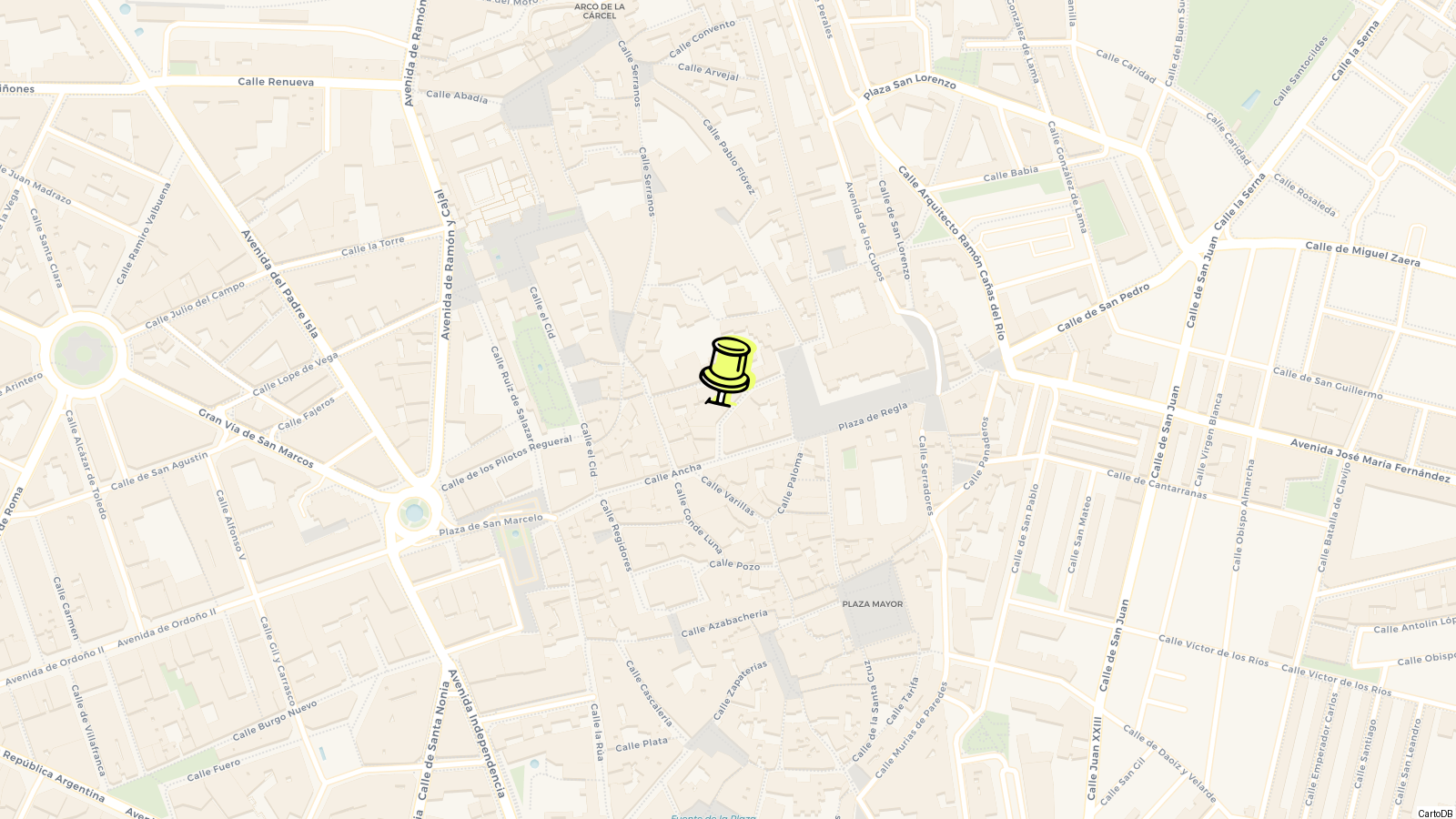
The building has stood on this spot since at least 1205, placed right in the middle of León along the Camino de Santiago route. Its main façade is easy to spot thanks to the twin towers and a massive rose window facing the Plaza de Regla, a space that fills up during summer nights and festival weekends. Most locals will advise visiting late afternoon, when the colored light inside is most dramatic.
Step inside and the space feels oddly transparent. The proportions,90m long but only 30m high, aren’t massive, but the effect of all that glass is disorienting in the best way. If you like art, the attached museum fits 1,500 pieces into a small circuit: expect Romanesque sculptures, old bibles, and codices, including the Nodicia de Kesos, which claims the honor of being the first text in the Leonese language.
Many guidebooks list León Cathedral right after Burgos and Santiago, if you’re walking the Camino, you can compare all three in under a week. But for stained glass, nothing in Spain matches León. This is also one of the few Spanish cathedrals where restoration tried aggressively to return the building to its original Gothic form; practically all the post-medieval decorations you see inside have been carefully chosen or removed.
Both towers on the main façade are different. The south one is known as the clock tower; the north finished almost two centuries later. Look for the intricately sculpted portals (stonework featuring the Virgen Blanca is especially popular for selfies and postcards). The Renaissance retrochoir houses a silver urn containing relics of San Froilán, León’s patron saint, each year in October there’s a city party in his name.
The cathedral can feel surprisingly uncrowded compared to bigger names like Sevilla or Toledo; even on summer weekends you’ll get quiet time between tour groups. Religious services happen in the mornings, especially Sundays, double-check that before planning a visit. The official website (www.catedraldeleon.org) posts up-to-date opening hours and special events.
History
Work started on the current León Cathedral around 1205, right on top of old Roman baths built for Legio VII Gemina. The story isn’t just buried under the floor; some of those Roman remains, mosaics, tiles, and bits of the hypocaust heating system, show up in the cathedral museum, with more still beneath the building itself.
Before the cathedral, there was a palace belonging to King Ordoño II, who handed it over after a victorious battle in 917 to make way for the site’s first church. That original church survived Moorish raids and centuries of rough repairs. By the late 11th century, León wanted something grander, so construction began on a new Romanesque cathedral under Pelayo II. The Romanesque building was big for its time, with brick, three naves, semicircular apses, and a cloister, all dedicated in 1073.
What you see now is the third church on the spot. After structural problems and a long pause, actual work on the Gothic cathedral began in earnest in 1255. The design came from Master Enrique, a French successor to the architects of Burgos Cathedral, which explains the sense of déjà vu if you’ve seen Reims or Chartres, the shape and proportions are directly inspired by French Gothic. Juan Pérez took over after Enrique’s death in 1277. By 1302, the main structure was open, though towers dragged on into the 15th century. Most builders were local, but a steady stream of French techniques kept coming over the Pyrenees, so León Cathedral ended up with its famous thin walls, open structure, and a near-vertical field of glass.
The price for all that light was constant headache for the builders and every generation after. Much of the cathedral sits over Roman ruins, and the stone was local limestone, not known for its strength, so cracks, collapses, and emergency repairs were routine. In 1631, the main vault at the crossing collapsed and was replaced by a Baroque dome and heavy new ornamentation. Later, four awkward pinnacles were added around the dome to stabilize it, but this just made things worse, from the outside, old prints show a clumsy patchwork, nothing like the clean Gothic you see now.
León Cathedral was the first monument declared a Spanish Royal Monument of Cultural Interest, way back in 1844. But by the mid-1800s, it was on the brink of collapse. Stones literally fell from the ceiling in 1857. A sweeping restoration started in 1859 under Matías Laviña and then Juan de Madrazo, a friend of the French restorer Viollet-le-Duc. Their approach was radical: out went the Baroque add-ons, the dome, the extra pinnacles, and most non-Gothic elements. Out, too, went many misplaced repairs. They propped up the vaulting with temporary wooden frameworks, then rebuilt using what’s now considered a huge coup of 19th-century restoration, by 1901, the building stood, and the feeling is markedly French and high medieval. The stained glass, which had been boxed and stored, went back up after 1895.
Restoration never really stopped. The building keeps battling with water leaks and shaky ground. Most recent major work was a full stained glass restoration campaign, started in 2009, focused on keeping the medieval windows from crumbling.
The cathedral’s history and the city’s are tangled up. It officially opens onto the Camino de Santiago; León was once a royal capital, and the bishops had real muscle. In different periods, the cathedral held royal tombs and local archives, and its museum still houses nearly 1,500 artifacts, including a Mozarabic bible and the “Nodicia de Kesos,” the earliest text in Leonese. Archaeologists uncovered parts of the Roman baths again in the 19th and late 20th centuries, confirming how much later construction had gambled on unstable foundations. That tricky inheritance means León’s builders cut their stones finer and leaned harder on the new Gothic methods, they simply couldn’t afford to drag heavy Romanesque masses across a half-buried bathhouse.
Major phases, for timeline fans:
- Roman baths (2nd–4th c.): foundation traces under the present nave
- Ordoño II’s palace and first cathedral (early 10th c.)
- Romanesque cathedral (late 11th c., dedicated 1073, fragments visible in the crypt)
- Gothic construction begins 1205; stalls until 1255; main body completed by 1302, towers later
- Baroque interventions (17th–18th c.) to stabilize after cracks and earthquake damage
- Clean sweep back to Gothic, 1859–1901, with the building sealed and the stained glass restored
- Fire in 1966, ongoing stained glass rescue.
Visiting
Entrance for adults is €8, paid at the ticket office to the right of the main doors, and covers both the cathedral and the museum. The best way to start is to step into the nave and just look up, every wall above eye level is glass, not solid stone. Morning or late afternoon sun lights up the entire vault in reds, blues, and yellows. If you want photos with the least glare or crowds, come around opening or just after lunch (most groups arrive at 11am and 5pm). Main hours are 09:30–13:30 and 16:00–19:00, Monday to Saturday, but the cathedral closes at 11:30 on Sundays for services; last ticket sold 30 minutes before closing.
Right as you enter, keep left for the short spiral staircase to the museum, don’t miss this. It’s not just chalices and reliquaries. There’s a preserved stretch of Roman hypocaust from the old baths, medieval Mozarabic bibles, and the Nodicia de Kesos, a 10th-century cheese inventory that’s the first written Leonese. The museum also has 50 Romanesque sculptures of the Virgin and some truly weird wooden triptychs.
Back in the main nave, head for the retrochoir: behind the iron reja, there are alabaster sculptures and the elaborate 15th-century altarpiece by Nicolás Francés. The tomb of King Ordoño II is here, local students will tell you it’s good luck to touch it, but staff may disagree.
The cloister is accessed from the north aisle and worth the detour just to see the light play on its carved capitals. Several of the capitals show knights fighting monsters or biblical scenes, it’s quieter here if you need a break from tour groups.
Most visitors miss the best glass: the rose window on the west façade, the choir’s upper lights, and the Main Chapel behind the altar. If you want detail, bring a small pair of binoculars. Signs are minimal and QR codes are spotty; guides hang out by the entrance and charge €5-10 cash for impromptu English or Spanish tours, but don’t expect in-depth lectures.
How to time your visit for light
If sunlight through stained glass is your priority, check the weather and aim for a cloudless day. The east-facing choir and Main Chapel windows are at their best between 10:00 and 12:00, while the huge west rose and the north transept start glowing from 18:00, especially in summer, when sunset hits near 21:30.
Access for mobility issues
The cathedral is mostly flat inside, though the museum (in the old chapter house) has stairs and no elevator. Ramps are available at the side entrance for wheelchair users, and staff will open them if you ask at the ticket desk. The cloister is quieter and step-free, though the paving is uneven.
You can find the official English website at catedraldeleon.org. For questions, call +34 987 875 770 (the desk usually answers after 10:00). No need to book ahead unless you’re visiting with a large group, most tickets are walk-up, and queues rarely last more than 10 minutes except Easter week.
Tips
-
The best light for photos is late morning on sunny days: the stained glass throws colors everywhere inside once the sun gets high enough. If you’re just looking, midday means the interior is brightest, but there’s also more tour groups. Aim for 9:30–11:00 or 16:00–17:30 for quiet.
-
Sundays are tricky. Non-mass visitors are only allowed from 9:30–11:30. If you want a slow visit, go another day.
-
The museum closes with the cathedral, and the ticket office shuts 30 minutes before closing. If you cut it close, you risk running out of time for both.
-
Wear something warm even in spring: León is 837 meters up and the cathedral stays chilly, especially when it’s empty.
-
Big bags aren’t allowed inside. There’s no cloaking or lockers on-site, leave backpacks at your hotel or carry just a small daypack.
-
If you’re short on time and care most about the windows, walk the full loop along the side aisles and don’t skip the north transept, some of the rarest glass is there.
-
Audio guides are available, but if you speak some Spanish, you’ll get more detail from signage. English explanations exist but are short.
-
Photos are fine, but no flash or tripods.
-
If the weather’s bad, check www.catedraldeleon.org in the morning. Last-minute closures for maintenance or religious events do happen.
-
The cathedral is right on the Camino de Santiago route. Every afternoon brings a flood of tired pilgrims. Early or late in the day is far calmer, especially in high season.
-
There is no direct step-free access for wheelchairs at the main entrance; ask the staff on arrival and they’ll let you in via the side door. The nave is flat but the museum has steps.
More on Mass and Event Closures
Masses are held daily, sometimes during visitor hours, and parts of the church may close for half an hour or longer with no warning, especially on feast days or if a prominent León resident dies. Easter week, August 15, and the last Sunday in September (San Froilán festivities) are the highest-risk for surprise changes. The website keeps a schedule but locals often find out just hours before.
Know this destination? Help us improve
Your local experience is valuable to other travelers.