Arlanzón
At 999 meters, Arlanzón has just 421 residents and mornings cool enough for hot chocolate even in June.
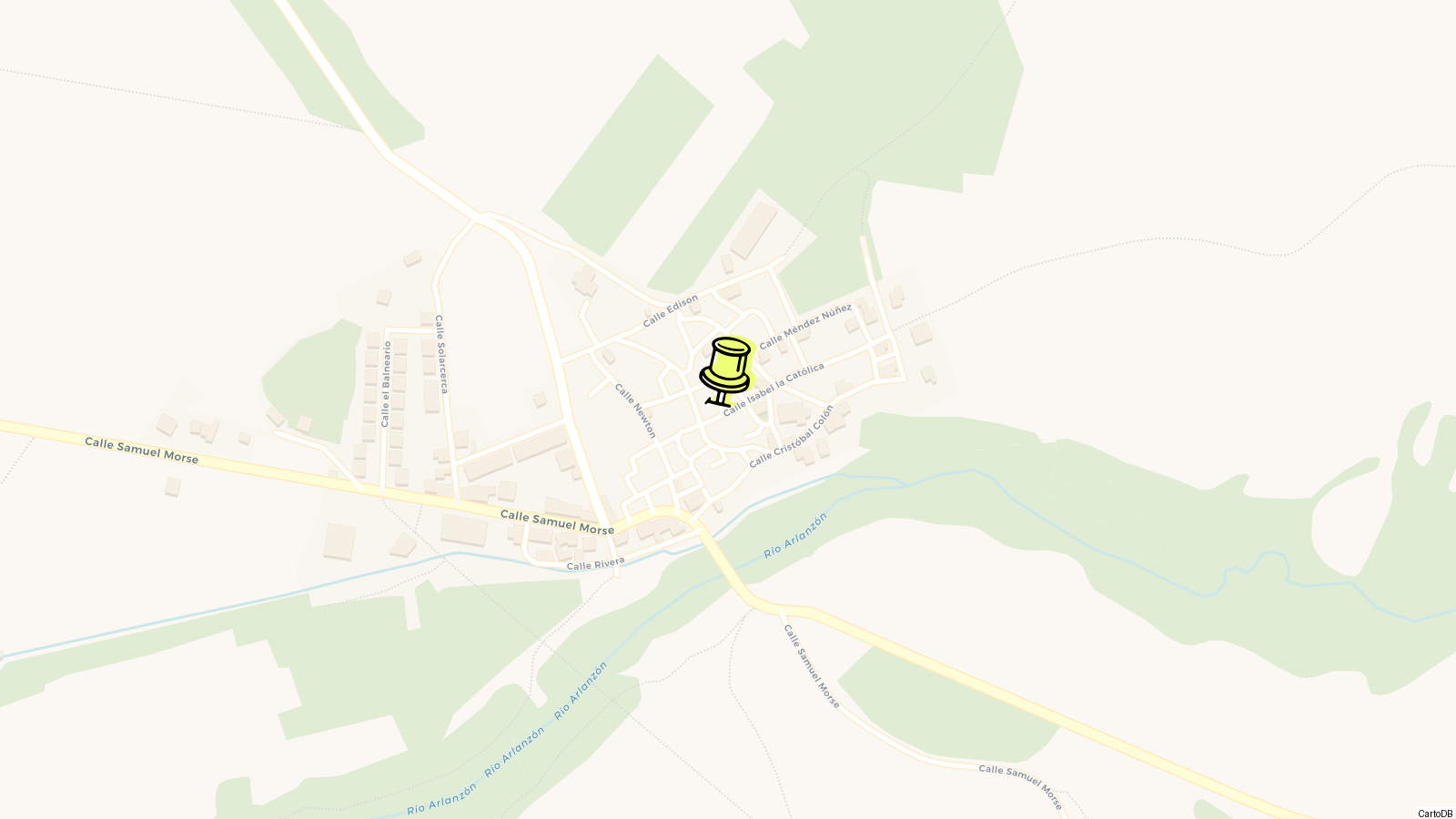
Visit details
Overview
From Burgos city center, it’s a 19 km drive east to Arlanzón along the Logroño road via Ibeas de Juarros. Elevation here hits 999 meters, and as of 2025, the village has 421 registered residents. The area covers 77.74 km², enough to hold the village proper (also called Arlanzón) plus four hamlets: Agés, Galarde, Santovenia de Oca, and Zalduendo. The official website is arlanzon.es, and if you need the town hall, the number is 947 421 102.
Arlanzón isn’t a typical Pyrenean enclave, but it sits at the start of the Sierra de la Demanda greenway, an old train line turned bike/hiking trail that reaches deep into the province. Pilgrims taking the less-trodden Camino de Santiago route cross through here, swapping main-road monotony for half-forgotten Romanesque churches and grain fields. Most folks still speak only Spanish, and cash is king (euro coins, always handy at the tiniest bars).
Between late June and mid-September, you’ll get dry, sharp heat in the wide valley, with winters that can freeze pipes. The continental climate means there’s a short window for cycling or walking before cold sets in.
The Arlanzón reservoir (built in 1933) soaks up snowmelt to fend off spring river floods and give the city clean water, it’s a local fishing and picnic spot, too. The area sits inside the Arlanza wine designation zone, but don’t expect fancy bodegas, here, it’s mostly home cellars and table wine for local use.
If you base yourself here, Arlanzón’s scale means you’ll recognize faces twice a day. The bar doubles as post office, knife-sharpening stop, and occasional taxi HQ. Summer weekends bring urbanites from Burgos out for grilled lamb or a walk, but outside that, the rhythm is quiet. Don’t expect English menus or much tourist infrastructure. The trade-off is you get morning walks along the greenway with only birds, cows, and the odd cyclist for company, and a reset in what “small town” really means in Spain.
History
In 935, exchanges of land involving Arlanzón were already being written into legal documents. That kind of paperwork tells you: people have been arguing about fields and mills here for well over a thousand years. The real spike in importance came later, when the Camino de Santiago’s “Camino Francés” route began to pass by Arlanzón. The village’s mills and its church, Santa María, caught the attention of the highest authorities. In 1074, royalty (specifically infantas Urraca and Elvira) donated the church of Santa María and the surrounding village, including the mills, to the bishop of Burgos. This wasn’t just charity; religious real estate was political power.
The region was shaped by regular donations and swaps between kings, nobles, and the church. In 1189, Alfonso VIII signed over the local mills to the Cistercian Order. Monks, not feudal lords, became the key power brokers in Arlanzón’s riverside economy for centuries. Every major land transfer meant a new set of rules for who had to grind their grain where, and who got the money from it.
The Monks and the Camino
Once the Cistercians came in, the landscape changed. They built up not only the local mills to supply their emerging monasteries, but also set the pattern for the present patchwork of footpaths and old property lines you can still see around town if you walk out toward the river. The presence of the Camino routes, both the big French route and secondary variants, meant an endless parade of pilgrims and traders through the area. This is why several old roads split and merge in odd ways around Arlanzón and nearby villages, with stone crosses and waymarkers (mojones) set up for walkers. If you follow the Camino signposts from Burgos, you’ll pass through Ibeas de Juarros, skirt the Arlanzón river’s banks, and eventually cross the bridge into town, just as thousands did centuries ago.
The Church as Town Center
Santa María wasn’t just a church; it was a file cabinet, a law court, and sometimes the only communal roof in town. You won’t find original stonework from the 11th-century donation, but local habit of using the church as a meeting space, village notices posted, mass attendance as social checkpoint, goes straight back to this origin. The control by the bishop of Burgos meant that every major festival, market, or marriage contract for centuries ran through that office. This remains visible in the way local fiestas are still tied to the parish calendar.
The main economic resource for Arlanzón right up into the 20th century was its river, more precisely, the mills that sat on it. These weren’t big industrial deals, but a series of water-powered gristmills, ground rights to which changed hands in those royal donations. The slow crawl towards a more modern economy picked up after 1930 with the construction of the Arlanzón reservoir. That project, finished in 1933, was about controlling floods and guaranteeing drinking water for Burgos, not a local priority for villagers at the time, but it changed the shape of the valley and eventually created a miniature economic ecosystem, including fishing and summer swimming.
Thanks to the Camino’s steady trickle of pilgrims and the valley’s location, Arlanzón remained more connected than other valley towns. Even as the local population shrank and small industry faded, the route never lost relevance. You’ll still see scallop shell waymarkings through the main square, and at least one albergue (pilgrim hostel) always in business.
The old push-and-pull between church, crown, and local economy shaped today’s Arlanzón, a village where much of the street plan, property boundaries, and even the timing of fiestas trace directly back to medieval forms of ownership and obligation. Modern Arlanzón is quieter, but the Camino and the dam mean this isn’t just another depopulated mountain village. The population is around 421 today, and the Greenway plus the Camino have kept it livelier than other places this size.
Visiting
In Arlanzón village, the Camino de Santiago and the Vía Verde de la Sierra de la Demanda meet in front of the church. Pilgrims and cyclists pass through daily, so you’re as likely to see a backpack as a mountain bike on the main road.
The Camino route is part of the UNESCO-listed Camino Francés, with markers leading directly through the village center. Most pilgrims use the public albergues. Albergue El Molino charges €16 per person per night (groups under 30 people, plus 10% VAT), while Albergue El Tren Minero is €17 per person (same VAT). Both are basic but functional, and fill up quickly in May, June, and September.
Just outside Arlanzón, the Vía Verde greenway follows the old mining railway for 54 km. The section from Arlanzón to Monterrubio de la Demanda is mostly flat, on well-packed gravel. Locals walk, jog, and cycle here, and there are no entrance fees or opening hours. You can also head north on the Camino to Agés or swing south towards the reservoir.
The Vía Verde is signposted and hard to get lost on. Nearest bike rental is usually in Burgos, not in the village itself, so plan ahead or bring your own. Bring water: there are no shops on the trail until you hit the next town. In spring, expect muddy sections around Santovenia de Oca due to snowmelt. For a family-friendly day, the 10 km stretch between Arlanzón and Pineda de la Sierra has picnic stops and wide views.
If you want to stay somewhere quieter, the granja escuela (rural cabins and guesthouse) at the edge of the village does double rooms for €46/night (triple €57), or cabins for 4–5 at €100/night, all plus 10% VAT. Breakfast is €4, lunch €15, dinner €10 (plus VAT). These are among the cheapest rates in the area.
The Atapuerca archaeological site is a quick drive away, but visits require booking a guided tour in advance, don’t just show up expecting to walk in.
Arlanzón’s reservoir, built in the 1930s, is accessible on foot or by bike via the Vía Verde. Swimming isn’t allowed, but fishing is common, permission and a license are required. On hot weekends, locals sit on the dam for sunset with beers and snacks.
The walk from the village to the top of the dam takes about 45 minutes via dirt paths. From there you can spot birds (herons, sometimes osprey), and the stone spillway is popular with kids for climbing. There are no restrooms once you leave the village, and officially, wild camping isn’t allowed anywhere around the reservoir.
For eating, the granja escuela offers set meals, but if you want a menú del día, options in Arlanzón are hit-or-miss outside peak pilgrimage season. A few bars dish out hearty plates typical for Castilla y León, think lamb stew or pork with potatoes, but call ahead if you want anything outside Spanish lunch hours (2–4pm).
If you’re crossing through by bike or on foot, water fountains are dotted along the main street, but they get low in July and August, so carry extra. The next settlement in any direction is 4–7 km away, and after dusk, the roads feel very empty.
The phone number for practical questions is 947 421 102 (town hall). Municipal info and events are at www.arlanzon.es.
Tips
-
If you arrive by bus from Burgos, check timetables in advance, service isn’t regular, and there are stretches when you won’t find a seat unless you book early.
-
Shops and bars in Arlanzón often close for siesta between 2pm and 5pm. Plan purchases and meals around this to avoid empty storefronts.
-
Bring cash. The only ATM in Arlanzón is at the town hall (Plaza Mayor), and it sometimes runs out for a day or two before it’s refilled. Small bars and the bakery prefer cash and may not accept cards. The local currency is euro (EUR).
-
For pilgrims on the Camino de Santiago, the albergues El Molino (€16, excl. IVA) and El Tren Minero (€17, excl. IVA) are open year-round but fill up especially in spring and autumn. Call in advance if you’re arriving late in the day.
-
Walkers and cyclists should stock up before heading onto the Vía Verde towards Monterrubio de la Demanda, there are no shops or vending machines once you leave the village for long stretches.
-
If you’re planning on hiking or biking, carry layers. Weather swings hard in this part of inland Castile: it’s not unusual to see a bright, dry morning turn into a windy, cold afternoon, especially outside July and August.
Booking albergues in high season
July and September see the highest number of pilgrims and school groups thanks to the convergence of the Camino and Vía Verde routes. Book the albergue El Tren Minero or El Molino at least a week ahead, or you might end up calling the town hall (947 421 102) for a phone list of rural casas nearby. The granja escuela cabins can take families or small groups but run close to €100 (plus IVA) for a night, so pair up for better rates.
-
The local language is Spanish. In July, some bar staff understand basic English thanks to Camino traffic, but don’t expect much help in English outside peak pilgrimage months.
-
Sunday mornings: almost everything closes except the bakery and one bar. Stock up on essentials the day before if you’ll be around.
-
The main village WiFi is weak; if you’re planning remote work or long video calls, bring your own data.
Know this destination? Help us improve
Your local experience is valuable to other travelers.