Fresneña
You’ll spot the same 12 last names on half the mailboxes and twice as many in the hilltop cemetery,Fresneña’s pulse is just 68 people strong.

Visit details
Overview
It’s 228 km by road from Madrid to Fresneña, but that distance feels farther than the map tells you: this is the kind of place where the population, as of January 2025, doesn’t even crack 70 people,43 men, 25 women, most last names you’ll see twice in a cemetery walk. You’re up at 845 meters above sea level. If you’re used to city noise, the quiet here is almost physical.
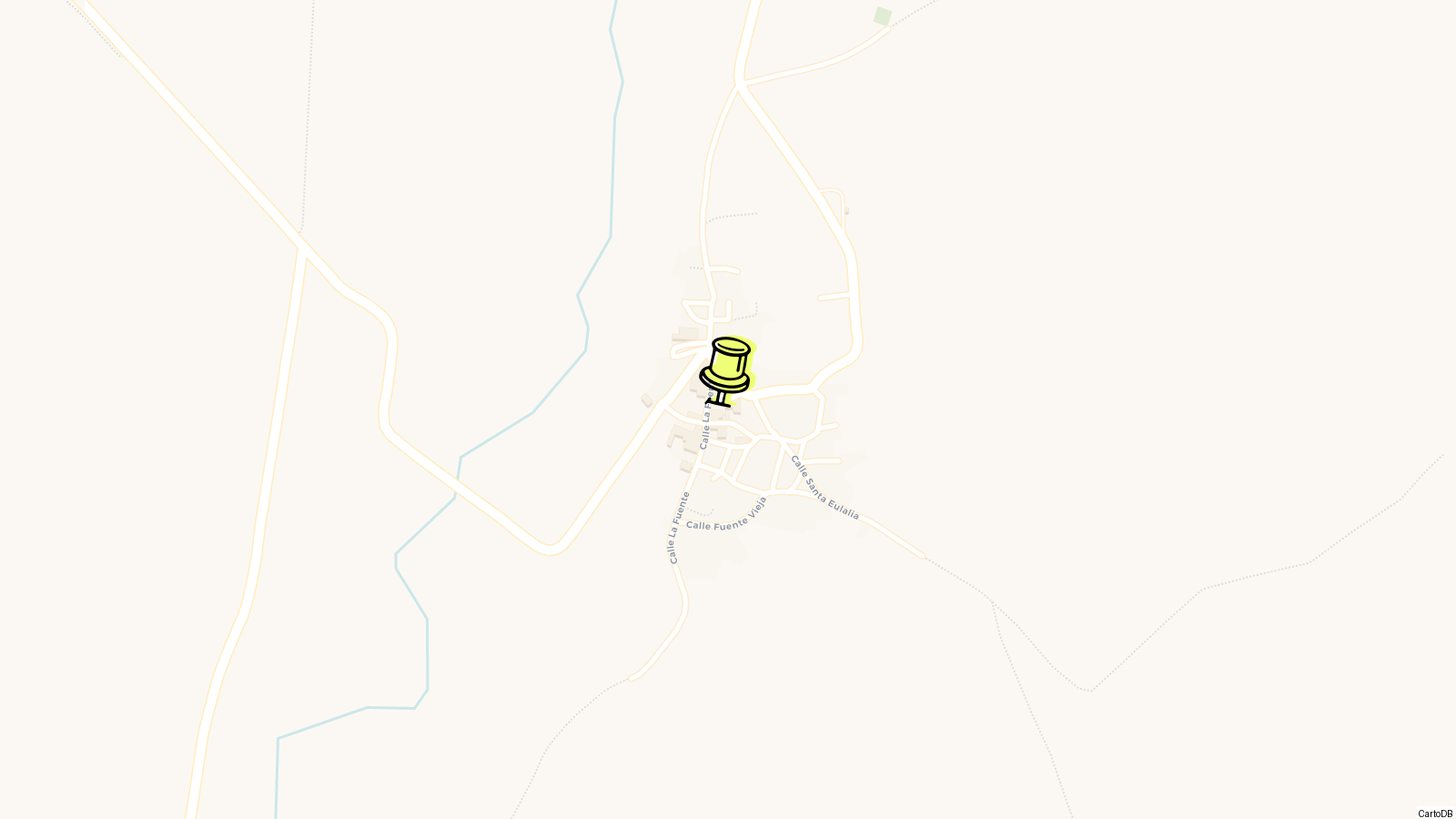
Fresneña falls under the province of Burgos, inside Castilla y León, and covers 14 km². That works out to about five people per square kilometer, so “crowded” isn’t a word you’ll ever use. The main road through town sometimes sees more tractors than cars, with fields and oak woods hemming you in on every side. If you’re trying to pin it on a map, the GPS coordinates are 42.4137° N, −3.1345° E.
And yes, the drop in population is not subtle, down from 105 in 2004 to 68 now, so you’ll spot plenty of houses that only see life in summer. The terrain does that squarish, hilly plateau thing you get throughout Castilla, dotted with low stone fences and stubby trees. The town’s skyline (if you can call it that) pops up in old photos next to the coat of arms: stone, terracotta, and weeds fighting for space along damp walls.
Don’t expect a supermercado or a bank branch, they’re not here. Fresneña runs on the basics. The town hall runs a functional municipal site (www.fresneña.es) and if you really need to call someone official, the number is 947 580 051. Postal code: 09259. The nearest airports, none exactly next door, are Burgos (about 40 km), Vitoria (70 km), and Bilbao (just over 100 km).
Don’t come expecting sights on every corner. The best way to see Fresneña is on foot, a slow loop around the compact plaza and the handful of streets that all seem to end in wheat fields. In late afternoon when the light slants just right, you’ll spot a pensioner or two out chatting by the church; otherwise, you’re left with that rarest commodity, space to yourself.
It’s worth mentioning: with roughly 187 rain-free days per year, Fresneña isn’t for people who crave big city bustle or dramatic weather shifts. The climate stays on the cool side, winter averages 1–9 °C, summer tops out at 26 °C, so pack a sweater no matter the month. Local life follows Castilian rhythm: midweek is silent, weekends draw a few more cars as families return to tidy up their parents’ old houses or tend a garden. Find a good spot by the local church and you’ll see why so many people keep coming back, even if just for holidays.
History
In 2004, Fresneña had 105 registered residents. The official tally for January 2025 is just 68,43 men, 25 women. In two decades, it’s lost more than a third of its people, which says everything about the kind of place this is: families divided by work and study, grandparents holding the last strings on old houses, kids who only show up in August. The Plaza might see life for San Roque or patron fiestas, but otherwise you won’t find a crowd.
The municipality’s official limit covers 14 km², almost entirely dryland farms, scattered hay bales, and long-abandoned fincas, each with some story about who left and when. Old women remember wheat being threshed by hand and mules tied to the door; that faded out after the 1960s, when the push toward Burgos and Madrid emptied the region. Most of those left today are retirees, if you meet someone young working in the fields, chances are they’re here visiting parents or helping out for the week.
Most buildings still standing date from the late 19th or early 20th century, rough-stone walls patched with concrete, roofs propped up on luck. The church, usually locked, guards a handful of cracked gravestones with the same last names you’ll spot on mailbox plaques.
Some neighbors still keep the keys for visiting priests (there’s no resident clergy). Burials that happen now tend to involve family returning from cities for the day; old funerals used to fill the nave, but now a dozen is already a crowd.
Every decade or so, the census takers come around. The number pencils out lower each time, and you’ll hear people quietly bet what the next official figure will be, as if the number itself could nudge a family to stay or go. Nobody celebrates when the final count is posted.
The drop from 105 to 68 since 2004 is visible in the ghost infrastructure: the abandoned schoolhouse was never needed for its full capacity, and the old warehouse for harvest barely sees traffic anymore.
If you dig for history earlier than family memory, you’ll find it runs dry fast. Fresneña was never a market hub or a seat of power; there’s no castle, no famous uprising, no Roman bridge. It hung on through centuries as a patch of farmland tied to bigger towns. The oldest known origins of the place are rural and anonymous, no epic, just centuries of the same routine, broken only by war or drought in the region.
There was a brief administrative boost when the province lines were drawn in the 19th century, but nothing changed except which officials collected the taxes. Even the coat of arms, which gets trotted out for council documents and the occasional faded souvenir, shows nothing royal or martial, a visual admission: “We’re a village, not a monument.”
Waves of emigration in the late Franco era and again after the euro crisis marked the most recent turning points. Some houses are only lived in a few weekends per year, shut tight against the dry wind the rest of the time. There’s nostalgia for old village schools, children’s games in the square, and Sunday processions, but most traditions now survive in memory, or in the scattered WhatsApp groups relatives keep alive from Madrid, Burgos, and Bilbao.
The present is defined more by who’s left than who’s arrived. In twenty years, Fresneña’s story has turned into the hard math of rural Spain: long horizon, longer memories, and a shrinking census ledger that no official program has found a way to reverse.
Visiting
There’s no ticket booth, queue, or posted opening hours in Fresneña. You just arrive, walk in, and see what’s there. The “center” is a small cluster of stone houses on the main road. If you’re coming by car, you park wherever you find room, there’s no marked car park, but with so few people, you won’t need one. Most visitors start at the town square, which is really just a widened section of the main street.
The church, likely locked unless there’s a local around or you’ve arranged ahead, is Fresneña’s main building. The porch is always accessible, and if you do spot someone with a key, ask politely and they’ll almost always let you in for a look at the altar and the rough stone arches. Don’t expect a formal guided tour; anything you learn comes through conversation.
Stroll uphill behind the church for a clear view across the open fields and rooftops. You’re already roughly 845 meters above sea level, and on a dry day (there are about 187 clear days a year), you’ll see for kilometers in each direction. Walk any direction out of town and you’ll be in cultivated fields or scrubland within five minutes. There are no marked hiking trails, but the unpaved farm tracks are legal to walk (wear boots, as thorns and loose rock are standard).
You won’t find shops or bars open on a regular schedule in the village itself. For a café or supplies, most people drive to a nearby larger town. Bring water and anything you’ll want for a picnic. Some weekends or during local holidays, a traveling market van will stop by, but there is no regular supermarket service.
Contact for practical matters is the town hall. The actual building is on the main village street, basic, one story, with the municipal phone number (+34 947 580 051) posted by the door and online at fresneña.es. If you’re looking for municipal paperwork or want to catch someone to open up a civic building, weekdays in the morning are best; outside those hours, expect the door to be locked and the building empty.
For any tourist information, the Diputación de Burgos tourist office handles Fresneña administratively. They offer basic info and virtual tours for the entire province through their portal, not specific to Fresneña, but useful if you want context or are planning a route between villages.
Walking Route
If you actually want a walk, begin at the town square and follow the road headed north until it splits, both branches lead to the edge of farm fields. Pick the lefthand fork for a gentle climb along an unpaved farm track; after about 800 meters, you’ll be among scattered holm oak and pasture. Bring binoculars if you like birds: larks and kestrels are common. Turn right onto any of the connecting tracks to circle back toward the village; after a loop of under 3 km you’ll be back where you started.
Visiting Other Towns
The closest place with a functional café or bar is usually the next town over. Consult the Diputación de Burgos portal for fresh data (hours and what’s open actually change often).
The postal code is 09259. No public bathrooms, so plan accordingly. Bring sun protection: summer highs can hit 26 °C and the sun is strong even in September.
Nothing is marked or explained with signage, if you’re curious, ask someone you see in the street. The people here know who lives in every house, and while there’s rarely formal hospitality, you’ll get directions if you really need them.
Tips
-
Don’t expect shops, bars, or restaurants, there aren’t any. Bring whatever you want to eat or drink, including water. The closest places for supplies are several kilometers away by car.
-
Be prepared for silence and emptiness, especially outside religious festivals or the August holidays. Most houses are shut half the year. If you want to see locals, come on a Sunday or during the main summer fiesta (ask for dates by emailing fresnena@diputaciondeburgos.net or calling 947 580 051).
-
You won’t find clear signposting or tourist office. For official information, check fresneña.es. The main provincial tourism page (turismocastillayleon.com) has virtual tours and accessibility info, but little about what’s open day-to-day.
-
Mobile coverage is unreliable. Don’t count on data or strong reception, especially with smaller carriers.
-
The weather swings between chilly mornings (1–9 °C in winter; 10–26 °C in summer) and strong sun overhead, shade is rare and most public benches are faded wood. Dress in layers and carry a hat and sunscreen if you’re walking outside town.
-
If you want a specific experience, looking inside the church, old photos from the Ayuntamiento archives, cemetery details, call ahead since staff aren’t always present.
-
Forget walking to nearby towns if you’re not a serious hiker: roads are small, shade is rare, and distances add up quickly.
-
Postal code 09259 is useful for ordering supplies or arranging deliveries, but don’t expect next-day service.
-
The rural property tax (IBI) is about 0.50 % if you end up buying here, that’s lower than most Spanish cities. Not for renters, but helpful to know if you’re property-hunting.
Know this destination? Help us improve
Your local experience is valuable to other travelers.