Pyramids of Güímar
Six volcano-stone pyramids rise in Chacona, built in the 1800s,not by pharaohs, but local farmers handling rocks from their fields.

Visit details
Overview
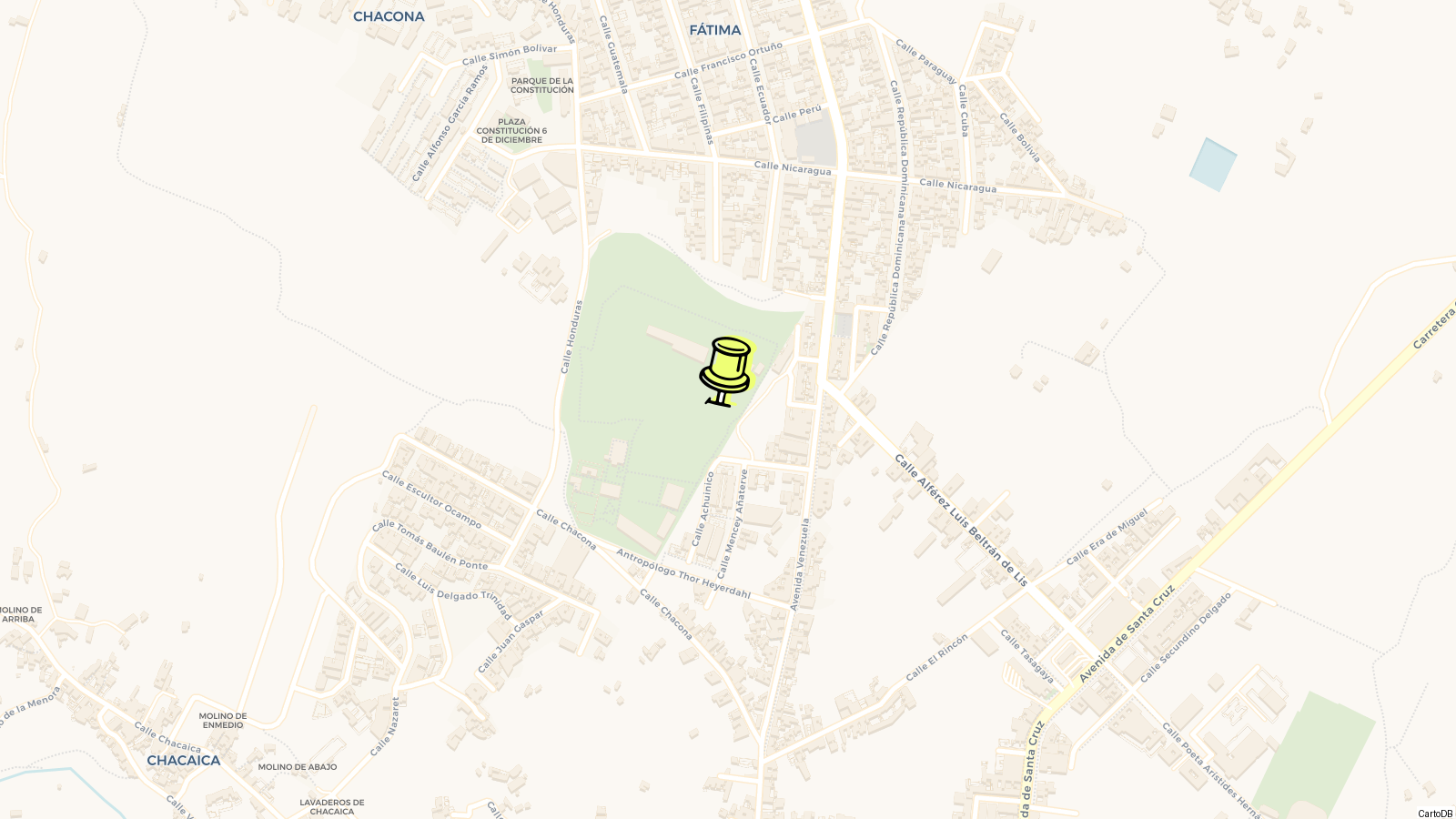
You’ll find the Pyramids of Güímar on the east side of Tenerife, 26 km from Santa Cruz, at 342 m altitude in the district of Chacona. These six stepped, rectangular lava-stone pyramids reach up to 12 m tall and date from the 19th century, not ancient times, a fact that still surprises a lot of visitors who expect something much older.
The site isn’t just a group of pyramids in a field. The Ethnographic Park covers more than 20,000 m², combining the pyramids, native Canarian gardens, and open-air museum installations. Admission for adults is €12.50, kids 7–12 pay €6, and under-7s get in free. Premium tickets (€18 adults/€8 kids) let you into exhibits like the Poison Garden. The park is open every day 10:00–18:00 except Christmas and New Year’s Day. Last entry is usually by 17:00, and you can get tickets from piramidesdeguimar.es.
What’s actually here will depend on how deep you want to go. For some, it’s a quick walk and a few snapshots of the pyramid terraces before heading off. If you book a Premium ticket or a guided tour, you see extra exhibits: the notorious Poison Garden (yes, actual toxic and deadly plants), collections on Canarian culture and agriculture, and a life-size model of Thor Heyerdahl’s papyrus boat, Ra II. The gardens themselves are heavy on native species, desert plants, dragon trees, euphorbias.
Everything here is built for visitors and it’s family-friendly: there’s a kids’ play area, explanatory trails, a cafeteria, and quizzes for younger visitors. Most people spend one to two hours, but if you like to read every panel, or if you have Thor Heyerdahl conspiracy fan in tow, you can stretch it longer.
What do the pyramids mean?
Decades of debate swirl around whether these are ceremonial, astronomical, or just fancy farming terraces. Archaeologists from the University of La Laguna dug here in the 1990s and dated the construction solidly into the 1800s, during the cochineal boom (an insect-based dye). Still, displays in the small museum (in English and Spanish) showcase Thor Heyerdahl’s theories connecting Tenerife to Egypt and the Americas. There’s a real mix of local, archaeological, and sometimes speculative history packed into the permanent exhibitions.
History
You’re looking at six stepped lava-stone structures built in the 19th century, all within the same fenced-off plot on Chacona street in Güímar. They look like something out of Egypt or Central America, but you’ll find pottery shards and even an official seal from 1848 right under their foundations. Archaeological digs by the University of La Laguna in the 1990s nailed down the timeline: these pyramids sit directly above layers filled with 19th and 20th-century debris, and below those, there’s just natural lava. No Guanche (pre-Hispanic) layer sits between the two, so as much as some park displays suggest otherwise, these do not come from ancient indigenous times.
The most accepted explanation is practical, not mystical: farmers cleared the land for cochineal plantations (for making red dye) in the 1800s and piled up the volcanic stones in neat rectangular terraces. There used to be nine, by the way, only six survived bulldozer-happy development before the park was created.
Why the Solstice Hype?
Even today, there’s debate and drama around the pyramids’ orientation. In 1991, astronomers from the Instituto de Astrofísica de Canarias noticed that the long sides of some pyramids mark the direction of both solstices, meaning that from certain spots, you can catch the sunset perfectly aligned on the midsummer and midwinter points. The main wall points to the summer solstice sunset, and the pyramids’ stairs face sunrise on the winter solstice. From the top platform of the largest pyramid during the summer solstice, you can even witness a “double sunset” as the sun dips behind one peak, reappears, then sets again.
Some researchers tie these weird astronomical alignments to Masonic symbolism (the 19th-century landowner was apparently a Freemason, and solstices are a thing for that group), but there’s not much hard evidence that this was more than aesthetic or happenstance. No proof the farmers were aiming for Stonehenge, more likely, they just liked straight lines.
Once Thor Heyerdahl entered the picture in 1990, the story seriously took off. He stumbled on a newspaper article about “real pyramids on the Canaries,” got obsessed, and moved to Tenerife to research. Heyerdahl pushed his theory that people could have sailed from Egypt through the Canaries to the Americas, with Güímar as a pitstop, and lobbied hard for the pyramids’ ancient significance, even when local archaeologists were digging up 19th-century coins below the stones.
If you dig into the museum pavilions onsite, most of the exhibitions focus on Heyerdahl’s trans-oceanic journey theories and models of his Ra II papyrus boat, rather than the actual local agricultural history. Meanwhile, the small finds shown are photos or displays of Guanche artifacts discovered in a lava cave under one pyramid, but the only connection to the actual pyramid stones is that the cave was already there when the farmers started piling up rocks in the 1800s.
The Guanche Cave and Local Myths
During excavations, archaeologists found a walled-up cave under the boundary of one of the pyramids. Inside were some Guanche items dating back from roughly 600 to 1000 AD (pottery, etc.). Here’s the important bit: the cave clearly predates the pyramid, but there’s no evidence tying the actual ramp-like structures to the Guanche, just that people used the area long before. When the lava cave was walled over, it was soon buried under later landscaping, and the pyramids went on top. That’s the historical sequence.
The official park website and many signs lean into the “ancient mystery” vibe, but on the ground, what you’re seeing was built by 1800s Canarian farmers dealing with bad, rocky dirt, and the questions you’ll overhear most often at the site aren’t about the Masons, but why so many Canarians still want them to be something more epic.
Visiting
The entrance to Pirámides de Güímar is at Calle Chacona, 38500. Adult admission starts at €12.50, with kids 7–12 for €6, and entry is free for children under 7. You can buy tickets at the gate or online at piramidesdeguimar.es. The site opens daily 10:00–18:00, except 25 December and 1 January. Last entrance is 17:00.
When you arrive
You’ll enter through the main reception and follow a clearly marked outdoor path. The first thing you see: six stepped lava-stone structures in a walled plot, spaced across the volcanic soil. Some have viewing platforms or raised walkways next to them, good for photos, especially if you want the full stepped outline. You’re free to walk right up to the perimeter of each pyramid.
During your route, you pass through landscaped gardens showcasing native Canarian plants over 20,000 m², with cacti, succulents, and info panels. If you’ve got the Premium ticket (€18 for adults, €8 for kids 7–12), you get access to the Poison Garden, a small, signed trail with toxic plants from around the world, all well explained for the morbidly curious or anyone with kids at the “everything is edible” age.
The exhibition pavilions are included in all tickets. The main Ethnographic Museum, co-developed with Universidad de La Laguna, includes regional maps, dioramas, and listening posts about agriculture, fishing, Canarian legends, and some fairly enthusiastic Thor Heyerdahl panels, his theory that ancient peoples sailed between Old and New Worlds, with plenty of photos and his own notes. You’ll see a life-size model of Ra-II, Heyerdahl’s reed boat. Give it ten minutes for a quick wander or more if you’re into experimental archaeology.
You’ll walk past an auditorium with short documentary projections (usually Spanish and English subs), and displays of artefacts and photos from the excavations under and around the pyramids. Some routes loop back on themselves, so you might see sections more than once, but the exit is clearly signed.
Full walk-through: how the visit goes
- After entering, ticket staff scan your QR code or printout and hand you a small site map. If you want an audio guide (for an extra fee, often included with Premium tickets), ask here and leave ID as deposit.
- The first outdoor area is the largest pyramid, where you can climb steps to a viewing platform level with the top terrace. The alignment of stairs and platforms is linked to how the Summer and Winter solstice sunsets would look from here, if you’ve read about the “double sunset,” this is where you see it in late June, not obvious the rest of the year.
- The Ethnographic Park trail winds through gardens, with info in English and Spanish. Watch out for kids darting between lava rocks and cactus beds. The Poison Garden is roped off and always locked unless you have the correct wristband.
- Inside the main museum, walk through several exhibition rooms. Notably, the older sections have Heyerdahl displays and models of his boats, while the more recent ones go into details about 19th-century agriculture and local industry. There are display boards about the construction layers under the pyramids and findings like the Guanche-era cave mentioned in the history section.
- The last indoor section focuses on Canarian rituals, sports (with short video loops), and handicrafts, before spitting you out to a small cafeteria and the gift shop. Food is standard Spanish sandwich fare, with some not-terrible coffee and bottled drinks.
- Allow at least 60–90 minutes for a basic visit. With the Premium ticket and detailed garden walks, two hours goes fast. Most routes are stroller-friendly but some paths are gravel or punctuated by low steps.
Premium ticket: what you really get
“Premium” gives you extra access to the Poison Garden, Polynesia and Tropicarium pavilions (when open), and the right to an audio guide. For most people, the main draw is the Poison Garden; you’ll finish the tropical pavilions in about 15 minutes unless you’re deep into botany. Decide based on your interest, but if it’s your only Tenerife day in this area, the standard ticket is enough.
Parking, food, accessibility
Free parking sits right out front, rarely full except on Canarian public holidays. Bus lines from Santa Cruz de Tenerife drop you in Güímar town, but you’ll want a car for door-to-door; the site is 26 km away, and the last stretch involves local TF‑61 road. Inside, most walkways are ramped, and the main bathrooms are adapted for wheelchair use. Strollers are fine for most of the loop, though the poison garden and some garden trails have narrow or uneven paths.
Photography is encouraged outdoors. No pets, only guide dogs get in. Supervise kids, especially in the cactus sections and wherever there are steep drops near the pyramids.
Guided tours
If you’re really invested, book a one-hour guided tour for about €22.50 per adult (includes general admission sections after your tour). Guides hit all the “Astronomical marker” stories and explain both the Heyerdahl theories and why most archaeologists side-eye them. Tours run in Spanish and English, but confirm the schedule when you prebook, as they’re not daily.
Tips
-
Book your tickets online at piramidesdeguimar.es to skip the sometimes slow ticket desk, especially in winter when they run events for local school groups. Prices start at €12.50 for adults (standard) or €18 for the Premium ticket, which you’ll want if you’re curious about the Poison Garden.
-
Save the Poison Garden for last if you have kids, this area is locked and you’ll get a warning at the entrance because some plants are genuinely toxic. The play area is safely separated from this space.
-
For audio guides in your language, ask at the counter (included in some ticket types, or €3 if you choose à la carte). Most signage is trilingual (Spanish, English, German).
-
Shade is limited. Bring a hat, sunglasses, and sunscreen, especially in summer when the path between pyramids heats up fast. December through February are cooler and much quieter.
You’ll do a lot of walking between the different areas, pyramids, gardens, museum halls, spread over a slightly hilly 20,000 m² site. If anyone in your group has reduced mobility, there are ramps and adapted toilets, but some gravel paths near the pyramids themselves are narrow and can be awkward for wheelchairs.
-
The cafeteria is decent for a quick coffee or sandwich, but if you want a proper meal, drive into the center of Güímar (about 5 minutes) for local restaurants. The snack kiosk sometimes closes early on weekdays.
-
You can take photos everywhere outdoors but not inside temporary exhibitions.
-
No pets are permitted, leave them at your hotel or in the car (not recommended in summer).
-
Most people spend about 1–2 hours at the site. If you’re short on time, focus on the main pyramids and skip the Tropicarium, which is small and often closed for maintenance.
-
There is a direct parking lot on Calle Chacona with spaces for cars and one or two buses. Parking is free but fills up on weekends by midday, so come early or after 3 pm.
If you’re coming by bus, TITSA line 121 stops in the center of Güímar and it’s about a 20-minute uphill walk to the entrance, factor that in if you’re with small kids.
Know this destination? Help us improve
Your local experience is valuable to other travelers.