Church of São Francisco
Gothic church drowned in Baroque gold, with catacombs below

Essential info
Visit details
Overview
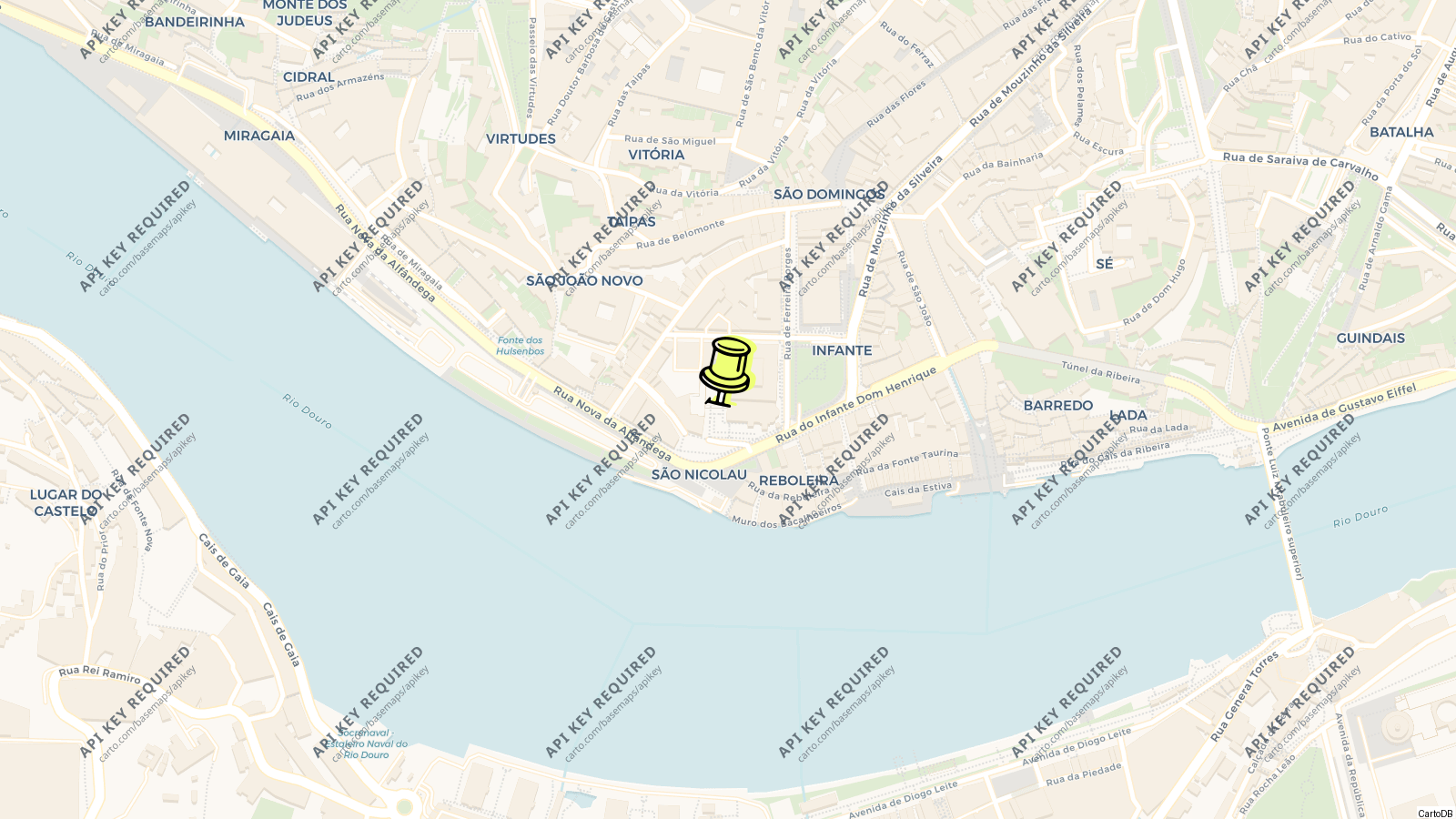
The Igreja de São Francisco is Porto’s principal Gothic church, built by the Franciscans between 1383 and about 1425, and the city’s most spectacular Baroque interior, because in the early 18th century almost every surface inside was covered in gilded carved wood. It stands on the Rua do Infante Dom Henrique in the World Heritage centre, beside the Palácio da Bolsa that was built on its burnt cloister.
The contrast is the point: a plain mendicant Gothic shell with a rose window, and inside it an estimated forest of talha dourada, gilt woodwork, that hides the medieval architecture under altarpieces, columns and vaults, with the Tree of Jesse altarpiece of 1718 as its centrepiece. It is no longer used for worship, and the ticket includes the catacombs and a museum in the Order’s dispatch house across the way.
History
The Franciscans reached Porto around 1223, fought the bishop for their land, and built a first small church around 1244 after a papal bull restored the plot to them. In 1383, under King Fernando I, they began the present church, finished around 1425 in the plain Gothic of the mendicant orders; its structure has barely changed since, which makes it the best Gothic building in the city.
Porto’s merchant families adopted it as their pantheon in the 15th and 16th centuries; the Carneiro family’s chapel of St John the Baptist, of the 1530s by Diogo de Castilho, is the Manueline high point. Then, in the first half of the 18th century, the gilding campaign covered walls, pillars, side chapels and roof in Baroque talha, producing altarpieces that are counted among the best in Portugal. The convent’s cloisters burned in the siege of 1832 and the Commercial Association built the Bolsa on the site.
Visiting
Start outside. The west front keeps its original Gothic rose window under a later Baroque portal with twisted columns and a statue of St Francis; the south portal towards the river is still Gothic, stepped forward under a gable with a pentagram, its inner moulding carved with a Mudéjar arcade.
Inside, the nave has three aisles under a transept and a three-chapel apse, and the eye goes straight to the gold. By the entrance a 13th-century polychrome granite St Francis survives from the first church, inside a Baroque altarpiece; the Sousa family’s Gothic pantheon portal with its coat of arms is near it. In the right transept is the Carneiro chapel of St John the Baptist, with a Manueline rib vault and a 16th-century Baptism of Christ set into a later altarpiece. On the north aisle is the Tree of Jesse, carved by Filipe da Silva and António Gomes under a contract of 1718: twelve kings of Judah in the branches rising from the sleeping Jesse to Joseph and the Virgin and Child, flanked by St Anne, St Joachim and four Franciscan doctors. The ticket continues to the catacombs beneath and to the neoclassical church of the Third Order and the Casa de Despachos next door, which holds the museum and its own Baroque rooms.
Tips
- Photography is restricted inside the gilded church; the guidebook sold on site is the record to take home.
- Do the catacombs and the museum too; they are in the ticket and most people skip them.
- Pair it with the Bolsa tour next door and allow 90 minutes for the two.
- The gold reads best in the late afternoon when the west rose window is lit.
Nearby
- Palácio da Bolsa: adjoining, one minute.
- Ribeira: three minutes down to the quay.
- Luís I bridge: six minutes along the river.
- Sé do Porto: ten minutes uphill.
Know this destination? Help us improve
Your local experience is valuable to other travelers.