Palácio da Bolsa
The Stock Exchange Palace and its gilded Arab Room

Overview
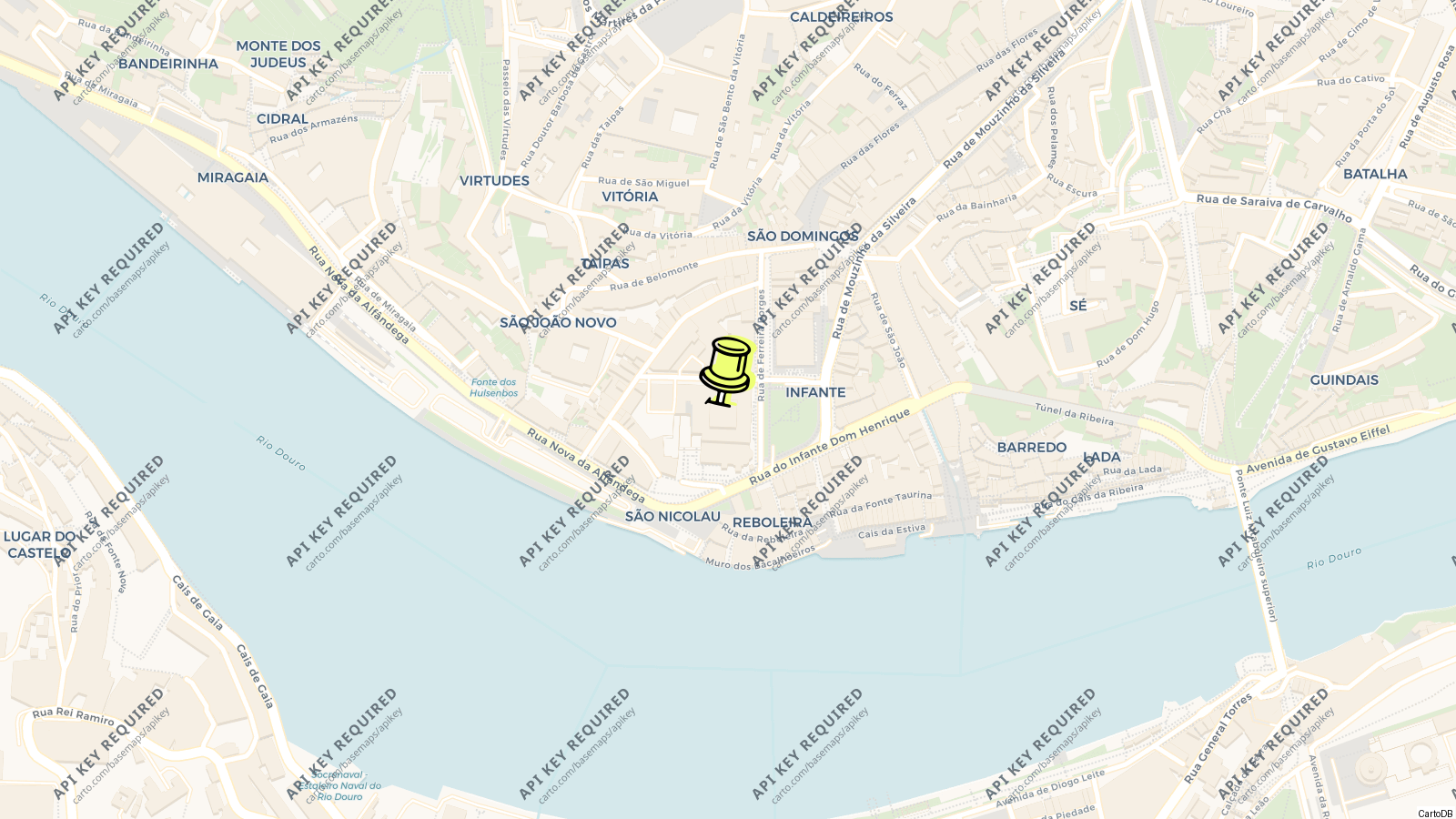
The Palácio da Bolsa is the 19th-century stock exchange of Porto’s Commercial Association, a neoclassical palace built from 1842 on the burnt-out cloisters of the São Francisco convent, and the most lavishly decorated secular building in the city. It stands on the Praça do Infante D. Henrique in the World Heritage centre, next door to the church of São Francisco, and is still the association’s headquarters, which is why it is seen only by guided tour.
What makes it worth the €12 is the interior, which took until 1910 to finish: a courtyard under a glass-and-iron dome painted with the arms of Portugal’s 19th-century trading partners, a grand staircase, a tribunal room, a golden room, and at the end of the tour the Arab Room, a Moorish-revival reception hall of gilt stucco and arabesques built between 1862 and 1880 that the city still uses to receive heads of state.
History
The site was the cloister of the Franciscan convent founded in the 13th century. In 1832, during the siege of Porto in the Liberal Wars, a fire destroyed the cloisters and spared the church; in 1841 Queen Maria II gave the ruins to the city’s merchants, who decided to build the seat of their Commercial Association on them.
Work began in 1842 to plans by the Porto architect Joaquim da Costa Lima Júnior, a neoclassical palace in the Palladian manner that had been fashionable in the city since John Carr’s Hospital of Santo António and John Whitehead’s English Factory in the late 18th century. The shell was up by 1850, but the interiors were parcelled out over six decades: Gonçalves e Sousa did the staircase of 1868 and the Arab Room, Tomás Soler the metal dome of the courtyard after 1880, and painters and sculptors including Soares dos Reis, Teixeira Lopes and Veloso Salgado filled the rooms until 1910. It has been a National Monument since 1982.
Visiting
Visits are guided, in several languages, and last about 30 minutes; the palace is open daily from 09:00 to 18:30, with adult tickets at €12 and concessions at €7.50. The route starts in the Pátio das Nações, the courtyard under Soler’s octagonal glass dome ringed with painted coats of arms, climbs the marble staircase past the busts by Soares dos Reis and Teixeira Lopes under Ramalho’s ceiling frescoes, and passes through the Tribunal Room, the Assembly Room and the Golden Room, with their furniture by Marques da Silva and allegorical paintings.
The tour ends in the Arab Room, the reason most people come: eighteen years of work in the exotic Moorish-revival style of the 1860s, gilt and coloured stucco in imitation of Granada, used for official receptions. There is a Port wine tasting room in the building run by ViniPortugal, and the Port Wine Institute’s free exhibition is a few doors along the Rua Ferreira Borges.
Tips
- Tours run on a schedule by language; check the next English departure at the desk before buying, or book on the palace website, and use the wait for the church next door.
- The Arab Room is the finale and the only room where the group lingers; the courtyard is the one to photograph, before the tour starts.
- The palace restaurant, in the building with river-facing windows, serves Portuguese cooking at €19 to €70 and is a way to sit in the Bolsa without a tour.
- Official receptions occasionally close rooms; the ticket desk will say.
Nearby
- Church of São Francisco: next door, one minute.
- Ribeira: three minutes downhill to the river.
- Sé do Porto: eight minutes uphill.
- Port Wine Institute: two minutes along the Rua Ferreira Borges.
- São Bento station: ten minutes up the Rua das Flores.
Know this destination? Help us improve
Your local experience is valuable to other travelers.