Castrillo Mota de Judíos
Spain’s only village to reinstate “of the Jews” by public vote, Castrillo Mota de Judíos has just 52 residents and a signboard at the town entrance explaining why

Visit details
Overview
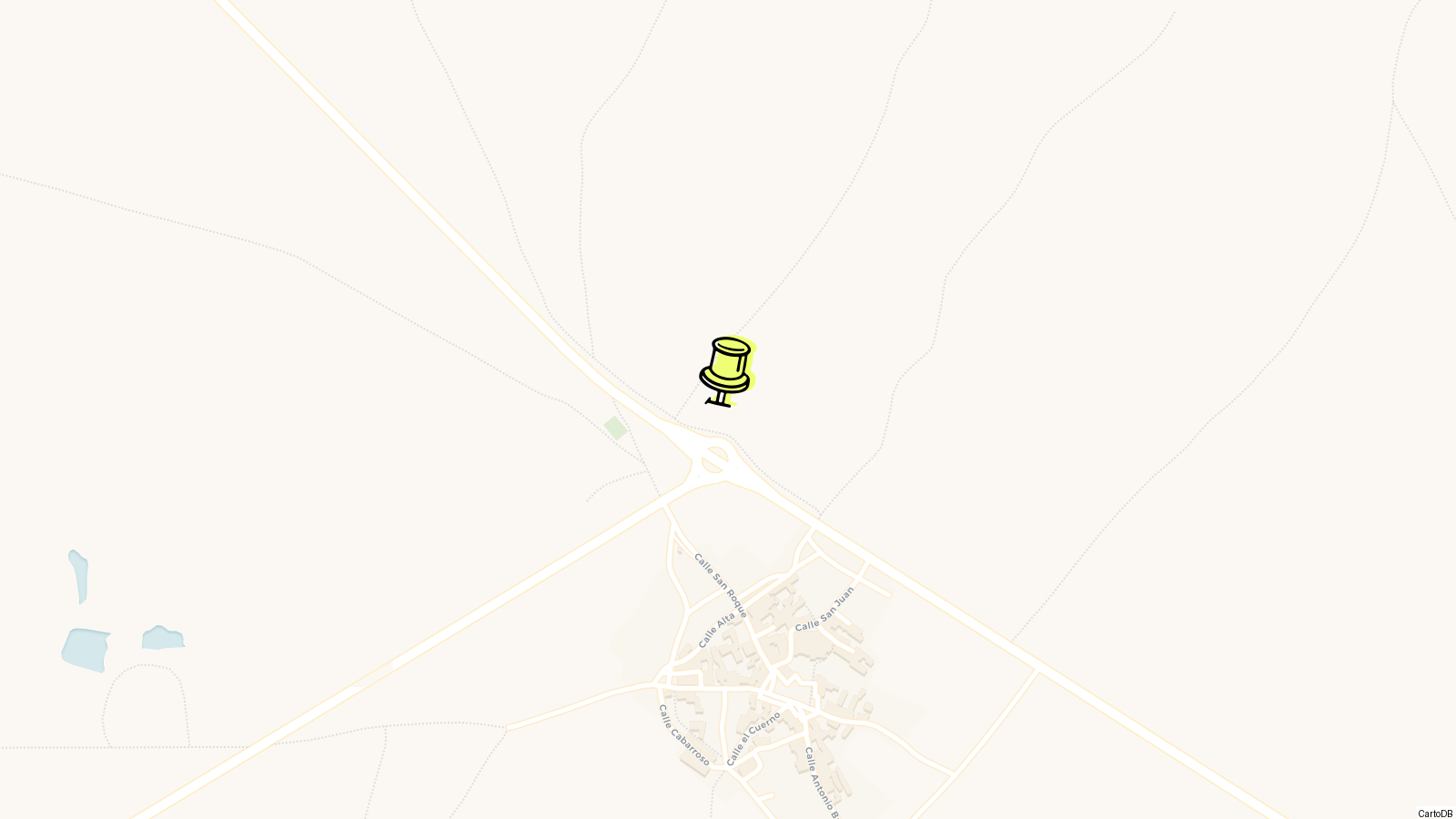
The only town in Spain that changed its name by local referendum, Castrillo Mota de Judíos sits 265 km north of Madrid, linked by the BU-400 and BU-403 regional roads to Castrojeriz and Itero del Castillo. Around 52 people call it home these days, there’s a faded sign at the entrance and not much else to announce you’ve arrived. The main square, Plaza Antonio Cabezón, is where you’ll find pretty much everything that passes for “infrastructure”: the town hall, arcades, and a plaque for composer Antonio de Cabezón, born here in 1510.
The town is a stop on the Camino de Santiago’s northern route, which means a trickle of dusty pilgrims passing La Mota, the abandoned medieval settlement just outside the village. The original Jewish quarter was here, and even now the village flag carries a Star of David. No Jews live here, but most families are direct descendants of converso lineages that go back hundreds of years.
Most days the loudest thing is the wind, or maybe a tractor. The population number moves by single digits year to year (it was 71 in 2004, now 52), and if kids are around it’s because someone came back for vacation. At 791 meters above sea level, summers hit 29 °C, hot but breezy. Winters dip close to freezing. There’s a church with the head relic of Saint Laura, and the remains of medieval alleys if you know where to look.
What changes when a village votes to fix its shame?
For nearly 400 years the map read “Castrillo Matajudíos”, literally “Jew-killer Camp.” Legend blames either a 1623 registrar’s spelling error or the pressures of the Inquisition. In May 2014, 52 locals cast their votes; 29 wanted the old name back, and on 22 June 2015, it officially became Castrillo Mota de Judíos. These days, the mayor (Lorenzo Rodríguez) and a handful of cultural activists run a project to document Jewish heritage here: there’s a Memory Center (free entry) in the main square, small archaeological digs at La Mota, and events tied to the town’s twinning with Kfar Vradim in Israel.
Even so, the change hasn’t wiped away trouble, anti-Semitic graffiti pops up from time to time, sometimes right on the new welcome sign. Still, most visitors are greeted with the same curiosity the villagers reserve for pilgrims and census-takers.
Camino stop, but not a tourist trap
You won’t find gift shops or tour buses. A few walkers break for shade under the arcades or pop in to see the antique church altar. If you’re after restaurants, bring your own picnic, or drive to Castrojeriz (20 minutes by car) for a menú del día. The best reason to stop? To see how rural Spain grapples with history, quietly and up close.
History
The official name Castrillo Mota de Judíos only dates from 2015, but the place first appeared on the record way back in 1035, founded by Jews expelled from a nearby settlement called Castrojeriz. The old Jewish enclave, La Mota, sat just outside the present village, along what later became the Camino de Santiago route. If you walk out from the current Plaza Antonio de Cabezón, you can still make out the walled mounds, archaeological digs here are ongoing, especially since the 2014 heritage project kicked off.
In the late Middle Ages, when Jews across Spain were forced to convert or leave, Castrillo’s Jewish roots officially turned into a secret. The name rarely stayed the same for long: early records show “Castrillo de los Judíos,” referencing the Jewish population. At some point, around 1623, legend says an official in Burgos wrote “Mata” (meaning “kill”) in place of “Mota” (“hillock”), probably by mistake. But within a few years, in 1627, the “Matajudíos” label was formalized, most likely a result of local pressure and a wider anti-Jewish mood from the Spanish Inquisition.
The Name That Stuck (Until It Didn’t)
For nearly 400 years, official documents, postmarks, and even tourist signposts stamped “Castrillo Matajudíos” across maps of northern Burgos province. Locals learned to explain it away: “it’s from the old times, no one means it now,” or “it’s a mistranslation.” Still, no Jews returned; by the late 20th century, the only visible traces were the site of La Mota and the village shield, which kept the Star of David.
Everything changed in the 2010s, when visitors from Israel started showing up, pilgrims on the Camino asked awkward questions, and the world’s press converged after a TV documentary. The mayor, Lorenzo Rodríguez, called for a vote: Should the town revert to its older, more respectful name? In the May 2014 referendum, 29 villagers voted for “Mota de Judíos,” 19 voted to keep “Matajudíos,” and 4 blank votes missed the margin. Spain’s official gazette finalized the change in June 2015. Since then, signage, postal codes, and even the town’s website were updated, though anti-Semitic graffiti still sometimes appears.
If you stand in the Plaza Antonio de Cabezón, several details jump out: a plaque for the composer Antonio de Cabezón (born here, 1510–1566), and a new small “Centro de la Memoria” dedicated to Jewish history. The flag and coat of arms still use the Star of David, nodding to the roots rather than the centuries of silence.
Castrillo sits on a branch of the Camino de Santiago, but it avoids the crowds of more touristed nearby stops. In 2015 UNESCO recognized this stretch as part of its pilgrimage route extension, adding another layer to a landscape already shaped by arrivals and departures for a millennium.
Recent Projects and Twinning
The village doubled down on its new identity with cultural exchanges (it’s twinned with Kfar Vradim in Israel since 2016), plus annual events focused on Sephardic heritage. The local association runs workshops and supports digs at La Mota. The Memory Center in the square mixes local memorabilia with bigger-picture panels on Jewish life in Castilla.
Notable People
If you’re a classical music nerd, you’ll know Antonio de Cabezón, blind organist at the court of Charles V, came from here, and his birthplace is now just a curbside tribute plaque. For everyone else, it’s just a stop before a morning coffee at the only bar.
Visiting
There’s no ticket booth, no crowds, no tour groups with umbrellas. The best way to start is simply to park in the Plaza Mayor (Plaza Antonio Cabezón), that’s the heart of everything here. Unless it’s the two days a year they host a heritage event, there’s usually space, and you’ll spot the town hall tucked under the arcades.
Main sights and route
Start outside: the Memorial Center (“Centro de la Memoria Sefardí”), in one corner of the plaza, isn’t a big formal museum. It’s more of a project space, with changing historical panels, archaeological finds, and exhibits about Jewish life in medieval Castile. There’s no set opening hours or admission charge; the key is often with the mayor or a neighbor. Ask at the town hall (also on the plaza, open mornings 10–14h, Mon–Fri), or call ahead (+34 947 377 174).
The Plaza itself is worth a minute. Stand under the arcades and look up, they’re original. Read the info panels about the 2014 referendum and name change, and check the flag (a blue-and-white Star of David) flying from the Ayuntamiento. The plaque for composer Antonio de Cabezón is set into a house nearby.
Take the single main street up to the Church of San Esteban. The bell tower is visible from most of the village. Go inside if the doors are open: there’s a quiet nave, fragments of original altarpieces, and, slightly oddly, the supposed relic of Saint Laura’s head in a lateral chapel. No stained glass, but the simplicity matches the place.
Continue up to the “La Mota” hill just outside of town. This patch of earth is where the first Jewish families are believed to have settled after leaving Castrojeriz. You’ll see some shallow archeological trenches and new explanatory signs. If you’re lucky, you’ll find local volunteers at work; they’ve been gradually uncovering foundations and ceramics since 2014’s cultural revival project.
Back down in the plaza, check for pop-up displays about twinning with Kfar Vradim (in Israel) since 2016. Heritage project plans and Camino markers are often posted here too.
Getting inside locked buildings
If you find the Memory Center or the church doors locked (which is common unless you arrive with a festival or prearranged group), the fastest solution is to knock at the town hall or flag a local, with a population of ~50, most know who has the keys. Spanish is essential; barely anyone speaks English here or expects tourists. If coming with a group, call the number above a few days ahead (messages sometimes go unanswered, but persistence pays off).
Camino de Santiago context
The Camino Francés passes less than a kilometer away, so lone pilgrims and walking groups occasionally drop in, but the town itself isn’t a major stop. It’s quiet: good for contemplation, or a break from Camino hustle elsewhere. Don’t expect supplies or hostels.
Visiting during events
On festival days (usually spring and early fall) or for one-off heritage events, exhibits and archaeological sites are fully open, and you can join guided walks, music, and food tastings. Check the town’s website or posters for dates, but don’t rely on trip-planning months in advance, the calendar shifts yearly.
Practical stuff
No shops, no cafés, not even a vending machine unless the cultural association is running a temporary bar at an event. Bring water and snacks. For food or accommodations, plan to use Castrojeriz (10 km away) or head back towards Burgos.
The landscape is wide and open, with fields on all sides. If you’re a cyclist or walker, the BU-400 and BU-403 roads are quiet but unshaded; wear a hat in summer. There’s no bus service; car is simplest.
Photos and etiquette
Expect to be the only outsider snapping photos. Always ask before taking shots of residents. The Memory Center displays the uneasy coexistence of old and new stories; some locals are proud of the revived name, others less so.
Problems to be aware of
Vandalism still happens; signs have been defaced with anti-Semitic graffiti even in recent years. Most locals are friendly, but you’ll get a few wary looks, especially if you’re not visiting as part of a group.
Sample short visit loop
- Arrive and park in Plaza Antonio Cabezón
- Ask at the Ayuntamiento about the Memory Center/church keys
- Explore the Plaza, read panels, see the flag and plaque
- Church of San Esteban (if open)
- Walk up to La Mota for the archaeological site
- Optional: walk the nearby Camino stretch for open views
You can honestly see everything in under two hours, but if you visit during a festival or catch the right local, you might end up learning a lot you didn’t expect.
Tips
-
There’s no need to reserve or buy tickets for anything in Castrillo Mota de Judíos. The Memory Center and archaeological areas don’t have posted hours or paid entry, if you see the mayor or a neighbor in the main square, ask and often someone will show you around.
-
Wear sturdy shoes. Most streets are unpaved or uneven, and if you want to head to the old La Mota site along the Camino de Santiago, it’s a rougher path through the fields.
-
Don’t count on finding cafés, bars, or restaurants open daily. Sometimes there’s a weekend pop-up or food truck in Plaza Antonio Cabezón, but the nearest reliable services are in Castrojeriz, 6 km away.
-
Bring water and snacks with you, especially in summer. There are only a handful of permanent residents and no shop, nothing is open between noon and 6 pm except for the occasional van that passes selling bread.
-
Most people park for free right on the plaza. There’s no regulated parking, meters, or restrictions.
-
No ATMs or banks in town. If you need cash, get it in Castrojeriz or before leaving Burgos.
-
If you want context about the Jewish heritage and local archaeology, visit the municipal website or the Memory Center’s project site in advance. Printed materials on-site are limited.
-
Summer highs can reach 29 °C, but it can also get windy and cold in the evening, even in June.
-
Locals are used to pilgrims on the Camino de Santiago swinging by, if you’re walking the Route, the short detour out to La Mota’s hill is worth it if you’re interested in medieval history or archaeology.
-
The population is tiny, about 50 people, so it’s normal to find the place almost deserted midday. Most “life” happens in the evening when neighbors come outside.
-
Anti-Semitic graffiti still pops up occasionally, especially on the entrance sign. Don’t worry: the actual locals are welcoming, just annoyed at outsiders with spray paint.
For Camino de Santiago walkers
If you’re walking the Camino, Castrillo lies about midway between Burgos and Frómista, just off the BU-400 between Castrojeriz and Itero del Castillo. The deviation to visit the town won’t add more than 2 km to your daily stage. There’s no albergue here, but plenty of accommodation in Castrojeriz. The original Jewish settlement, La Mota, is a low rise right before the modern village and easy to spot. Pilgrims sometimes stop for a photo with the plaza’s Star of David or the plaque marking Antonio de Cabezón’s birthplace.
Contacting locals or arranging a visit
The mayor, Lorenzo Rodríguez, is often mentioned in national and international press for the Jewish memory project and is known for making himself available to visitors on big days or when there’s a group event. If you’re planning a visit as a group or want a guided tour, reach out in advance (the phone number on the town hall site is +34 947 377 174).
Know this destination? Help us improve
Your local experience is valuable to other travelers.