Biure
Barely bigger than a city block, Biure’s 249 locals walk oak woods above the Ricardell creek, 16 km northwest of Dalí’s Figueres.

Visit details
Overview
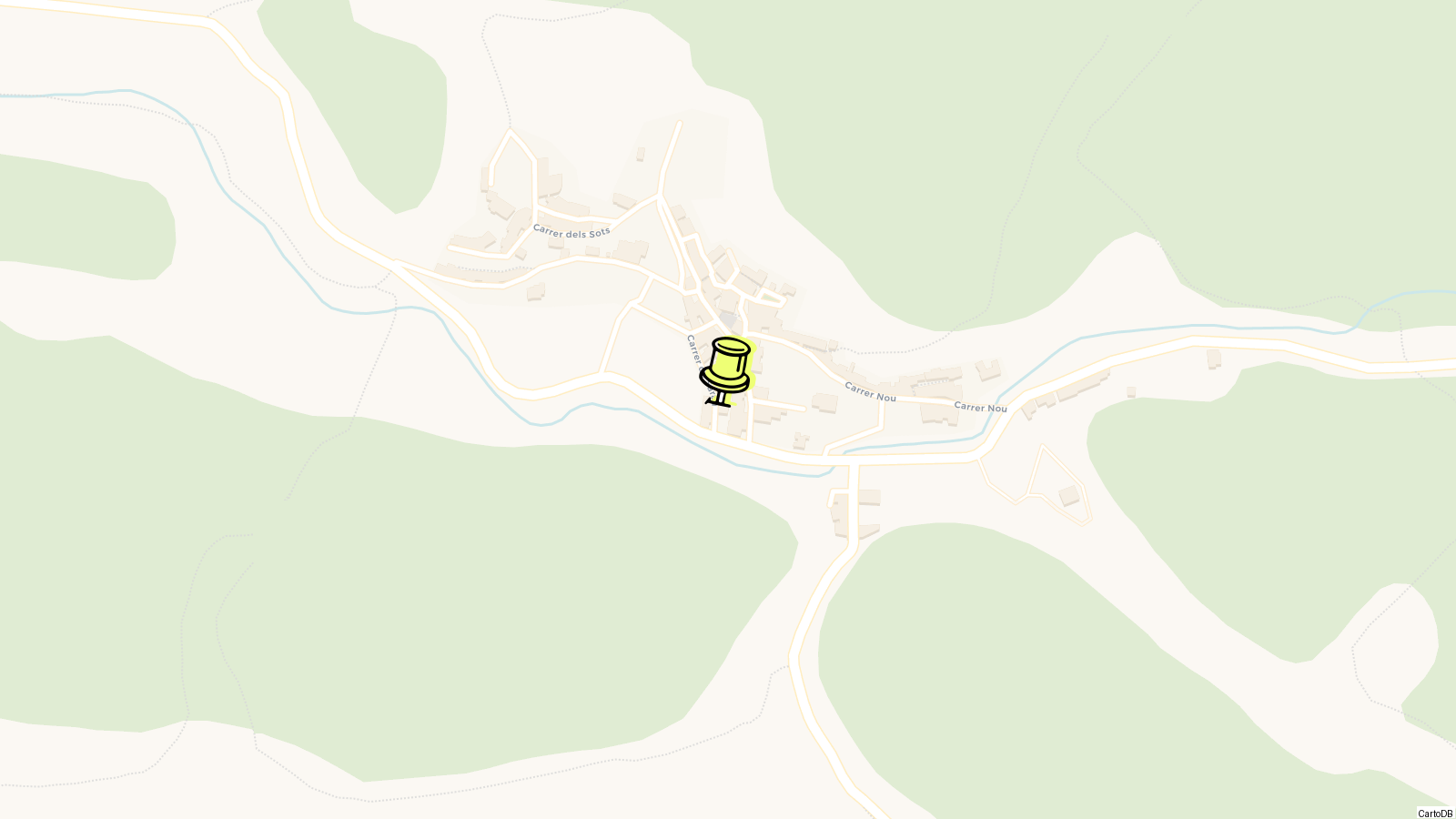
Biure sits 16 km northwest of Figueres, just off the GE‑504 road, with a population that has barely nudged from 245 in 2014 to 249 in 2022. It covers 10 km² at 81 meters above sea level, most of it dry Mediterranean slopes and oak woods, with the Ricardell stream cutting through the landscape. Nobody comes here for crowds, the village is basically one narrow main street, the square, the town hall at Nou 3 (open Mondays and Wednesdays, 18:00–20:00), and a handful of stone houses clinging to the hillside.
Catalan is on every sign and in daily use, but Spanish works fine, and people have patience for visitors. The town’s official demonyms are “Biurenc” or “Biurenca,” but most just call themselves from Biure in casual chat. For practical info or local notices, the website biure.cat is kept up to date.
There are no hotels, interpretive centers, or paid attractions here: you just walk, take in the mountain air, maybe spot an old bread oven and a rusted wheelbarrow. The town is part of the Salines‑Bassegoda network that promotes hiking trails and rural architecture, so maps for walking routes start at the plaza. You won’t find a bakery, but you might find someone selling eggs or honey on the doorsteps.
The population hasn’t changed much since 1787, when 185 lived here, and the biggest local historical drama was a 1375 spat with Figueres over who should pay to repair the town walls.
Until the 20th century, Biure was known for gypsum mining. The donkey on the coat of arms isn’t just a folksy symbol, a century ago, raw gypsum was carted down the main street by pack animals, headed for local builders or the nearby tile kilns. The wave on the arms is for the Ricardell stream, a modest trickle most of the year; the stones mark patron saint Stephen’s martyrdom, a detail most locals remember only during the summer festa.
Today Biure is sometimes used as a base for cyclists and hikers doing circular routes between Darnius and Capmany. Some weekends you’ll see a knot of cyclists at the fountain, but otherwise, Biure is about as low-key as a Catalan village gets: no beach traffic, no Camino pilgrims, just local farmers and a few expats who preferred silence to city bustle.
History
In 1375, neighbors in Biure and Figueres butted heads over local taxes for wall repairs, yes, small-town drama goes way back, and from there you mostly hear about Biure in relation to bigger Empordà events. Still, Biure kept its own council, church, and grazing pastures while a lot of villages around here were being divvied up between noble families or absorbed by larger towns.
There’s a record of about 185 residents living here in 1787; not that far off from today’s count, which tells you migration and politics didn’t rattle this place much until the 20th century. Biure skirted the worst of the wars and plagues that hammered bigger towns, though locals still paid tribute to whoever held power in Figueres or Castelló d’Empúries at the time.
Centuries of Staying Small
Biure was never a lord’s manor or a strategic fortress; it grew up along the Ricardell river mainly because that made farming and herding easier. The poverty line here could get pretty thin. In medieval years, residents had to transport gypsum using donkeys over the hills, a detail which still shows up on the municipal coat of arms (complete with a donkey and three stones for Saint Stephen, who gets a shout-out because the parish is dedicated to him). The wavy band on that shield stands for the river itself.
Town business happened in Catalan, but Spanish crept in during shifts of power. During the Carlist wars and the Spanish Civil War, Biure mostly kept its head down, no famous uprisings, no major battles, just sporadic arrivals and departures as armies and ideologies swept through Empordà.
Modern Shifts
Biure’s population peaked in the early 1900s, over 1,000 people in 1900, but only 245 by 2014. Most of that exodus happened in the second half of the 20th century, once farming jobs dried up and young people left for work in Figueres or Barcelona. The old town, though, still looks like it might have two bakeries and a smithy if you squint during a siesta.
“Old” Biure, the bit around the parish church, is now protected on Catalonia’s official heritage list, but don’t expect plaques on every stone. What survives is mostly due to locals being too stubborn (or too broke) to tear things down for new builds.
A few things did change after Spain’s big rural exodus: roads like the GE-504 got paved, some old houses were patched up as summer homes for people from Girona or Barcelona, and Biure got looped into the Salines-Bassegoda regional tourism scheme with its focus on walking trails and “patrimoni”, that’s bureaucracy-speak for “don’t bulldoze the old stuff.” No, there was never a castle or a royal visit, and the money’s still in grain and olives more than Airbnb.
Biure and its Neighbors
If you want to trace local rivalries, ask about the 1375 spat with Figueres over wall taxes,“tributo para la reparación del muro”, which led to actual skirmishes. It’s ridiculously specific and makes sense only if you remember towns were mostly on their own for defense, and taxes were always personal. Most years, though, Biure’s role was in supporting places like Figueres or Castelló d’Empúries with laborers and food.
Heritage Status
Being on the Inventory of Architectural Heritage of Catalonia means there’s some grant money and at least nominal protection over Biure’s alleys and the church. Unlike the more-visited medieval centers elsewhere in Empordà, Biure is for poking around at your own pace. No ticket, no souvenir shop, just a mix of original stonework and 1970s rehab jobs hiding behind painted doors.
Visiting
You won’t find ticket counters, opening hours, or crowds in Biure, there’s no “sight” here that you queue up for. Biure’s old town is listed in Catalonia’s Inventory of Architectural Heritage, but that doesn’t mean turnstiles or plaques. The visit works like this: you park (there’s free street parking along Carrer Nou or near the small main square), then wander on foot. Streets are short and mostly residential; nobody cares if you’re photographing doorways or poking around the churchyard.
The focal point is the stone parish church, usually locked unless there’s a service or local event on the weekend. The real experience is outside: sun-bleached façades, aging olive trees in corner gardens, and the sound of dogs barking from yards that end abruptly at fields.
You can trace the loop of the old core in 15–20 minutes. Follow Carrer Vell and Carrer Major for the “main drag”, at most, you’ll cross paths with a handful of neighbors or a delivery van. The oldest houses date back centuries but don’t expect storyboards or restoration; small details (worn stones, old door knockers) tell the story instead. If you’re walking with kids, the lanes are safe enough for bikes or rollers.
Just south of the village, the Ricardell river runs dry for much of the year but widens into little pools after winter rain. Locals bring dogs or a towel for a break in the shade. Show up on foot and you’re fine; don’t bother looking for facilities or marked trails, this is informal recreation. If you want a real walk, pick up the dirt path heading northwest towards Masarac; it’s about an hour there and back across open farmland.
No cafés or shops line the streets. Bring your own snacks if you want to picnic; the nearest bakery or cold drink is up the GE-504 in Darnius or down in Pont de Molins, both 5–10 minutes by car. There are benches around the main square under the plane trees, usable year-round thanks to Biure’s 3,300+ hours of sunshine per year.
If you land here in early evening on a weekday (Monday or Wednesday), the town hall at Carrer Nou, 3 is open from 6 to 8pm, you might catch a real slice of small-town Catalan bureaucracy at work, or just ask for a local walking map, though staff may only speak Catalan or Spanish. Don’t expect the tourist office experience found elsewhere in Alt Empordà.
There are no events or market days to time your visit around, unless, by chance, you stumble on a festival or wedding. Residents here call themselves Biurenc or Biurenca, and even in summer, most visitors are day-trippers passing through on a drive between Figueres and the hill towns. If you want a longer walk, Biure sits on the edge of the Salines-Bassegoda network of marked rural routes promoted for hiking. Check the network map here, but expect basic trail signage and sometimes overgrown paths.
Biure isn’t a place you spend hours in, but if you’re road-tripping Alt Empordà, need a sunny spot for a leg stretch, or want to see how a Catalan hill village actually lives, this is the real thing.
Tips
-
Biure’s official website is biure.cat and that’s your go-to for municipal info (in Catalan) or checking if there’s a festa or event on during your visit.
-
Town hall is at Carrer Nou, 3. It only opens Mondays and Wednesdays, 18:00-20:00, show up outside those tiny windows and you’ll just find the shutters down.
-
Biure doesn’t do tourism offices, printed maps, or signage for visitors. Download a map before you arrive or save the route on your phone if you want to do walks or bike rides.
-
Everything in Biure is walkable. The village fits in a 1km loop, and the countryside starts right after the last house. Hiking shoes aren’t essential unless you’re planning longer walks west towards Darnius or south to the Ricardell river.
-
There are almost no shops: if you need groceries, sandwiches, or cash, stop in Figueres or Boadella i les Escaules before you get here. The nearest supermarket and ATM are both in Figueres (16km, 20min by car).
-
No banks, taxis, or pharmacies in Biure. For emergencies, the closest health center is CAP Figueres (Plaça de l’Escorxador, 12; +34 972 502 442).
-
For longer walks, follow the waymarked Salines-Bassegoda routes. Biure falls under this regional network, but don’t expect info boards in English, signs are in Catalan only.
Hiking routes to try
- Head north out of Biure and you’ll find paths leading towards Capmany and Darnius; these are part of the Salines-Bassegoda network and suitable for half-day walks.
- The Ricardell river is a 25-minute walk south; the path follows dirt tracks, with tree cover in summer but slippery mud after rain.
- Longer circular options (12-15km) loop to Masarac and back, passing open fields and old masias, carry water, as you won’t find fountains on the way.
-
Local bars and cafes open sporadically, some only weekends or evenings. Don’t count on sit-down lunches every day, and make a reservation for a group if you want to eat at one.
-
Siesta is alive and well; expect everything to close 13:30-17:00.
-
Summer brings two things: massive cicada noise in the oak groves, and barely any shade in the open. Bring sunscreen and a hat year-round, but especially June to September.
-
Trash must be sorted, bins for recycling are at the north edge of the village near the bridge, and glass goes in a separate green igloo.
-
If you want a taxi to Figueres or for a pickup, you have to call ahead; there’s no taxi rank in the village.
-
Spanish and Catalan are both spoken, but most signage is Catalan only. If you want to say hello, try “Bon dia”; locals are friendly but straightforward.
Know this destination? Help us improve
Your local experience is valuable to other travelers.