Cabo da Roca
The westernmost point of mainland Europe, cliffs and wind

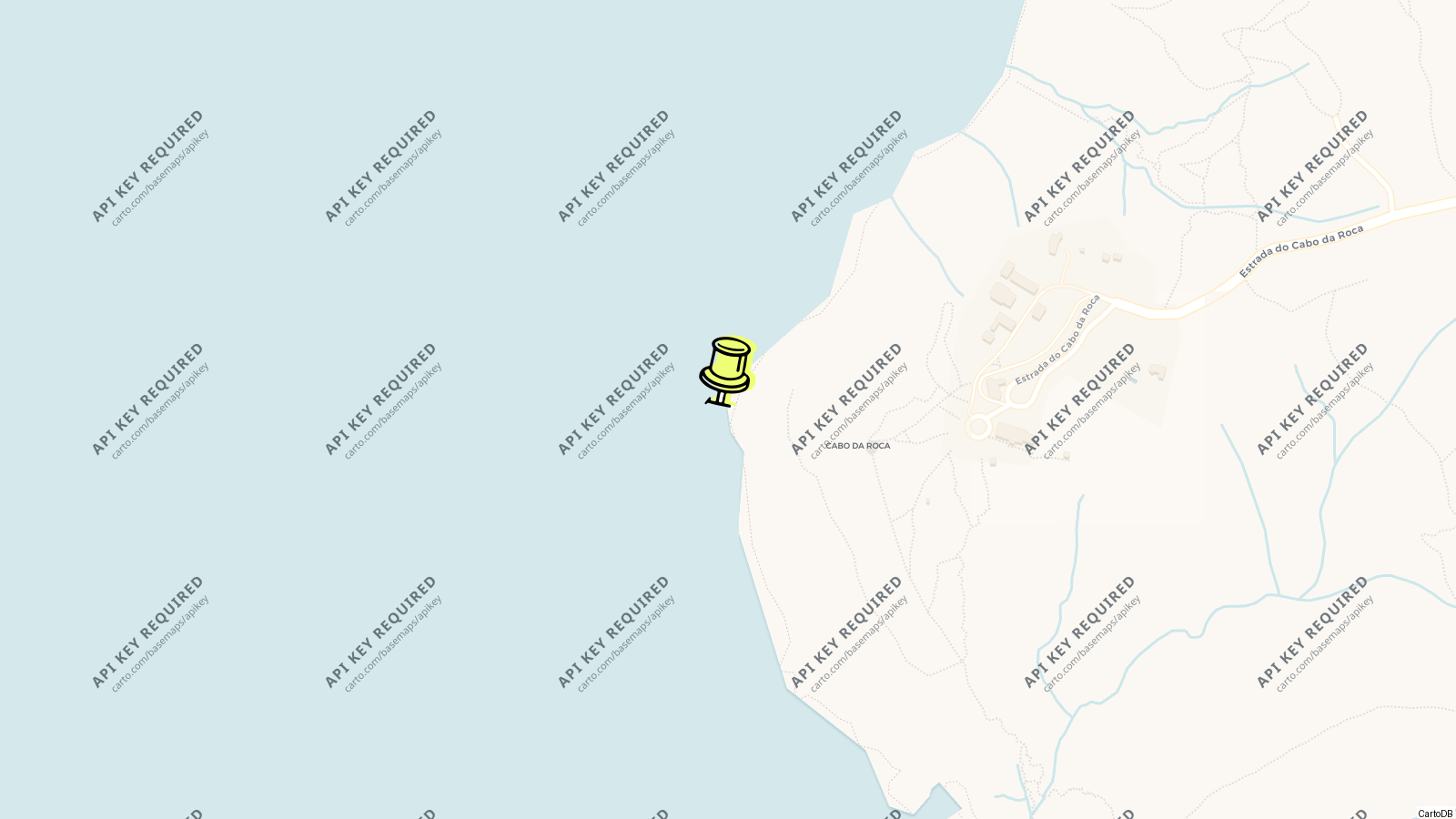
Overview
Cabo da Roca is the westernmost point of mainland Europe, a cape of granite cliffs more than 100 m high at the end of the Sintra mountains, 42 km west of Lisbon, with a lighthouse that has worked since 1772 and a monument carrying Camões’s line about the place “where the land ends and the sea begins”. The Romans called it the Promontorium Magnum and sailors the Rock of Lisbon.
There is nothing to do but look, and that is enough: the cliffs, the Atlantic breaking on the rocks, the coast running north to the Praia da Ursa and south towards Guincho, and the wind, which averages 15 km/h in July and August and is the reason the vegetation lies flat.
Visiting
The bus or the car park delivers you to the lighthouse and the monument; the tourist office sells certificates of having stood at the edge of Europe. Walk the paths along the cliff top north and south for the views, keeping behind the barriers; the drop is sheer and the wind gusts. The path north towards Praia da Ursa is the best short walk, with the sea stacks of the beach below; the beach itself is a steep scramble.
Summer here is cool, foggy and windy because of the upwelling offshore, and the fog can hide the sea entirely in the morning and late afternoon; September is warmer than July, and winter is wet but mild.
History
The cape is the western end of the old eruptive Sintra massif, rose granite in the north and syenite in the south, cut by dykes and folded sediments, with small beaches in the coves and limestone deposits caught in the granite; it lies inside the Sintra-Cascais Natural Park. A stone plaque on the monument gives the position, 38° 47’ N, 9° 30’ W.
The low salt-tolerant scrub that once covered the cape has been overrun by the hottentot fig, Carpobrotus edulis, a South African succulent planted by residents as ground cover decades ago that now carpets most of it; migrant seabirds roost on the cliffs and in the coves.
Tips
- Bring a windproof layer whatever the month; the car park thermometer can read 25 degrees in Lisbon and the cape be in fog at 17.
- Sunset is when the coaches come; the hour before is better, and the cliffs face west anyway.
- The bus from Sintra to Cascais stops at the cape and makes the two towns one loop.
- The certificate is a tourist trinket; the photograph by the monument is free.
Nearby
Know this destination? Help us improve
Your local experience is valuable to other travelers.