Castle of the Moors
Eighth-century walls riding the ridge above Sintra

Essential info
Visit details
Overview
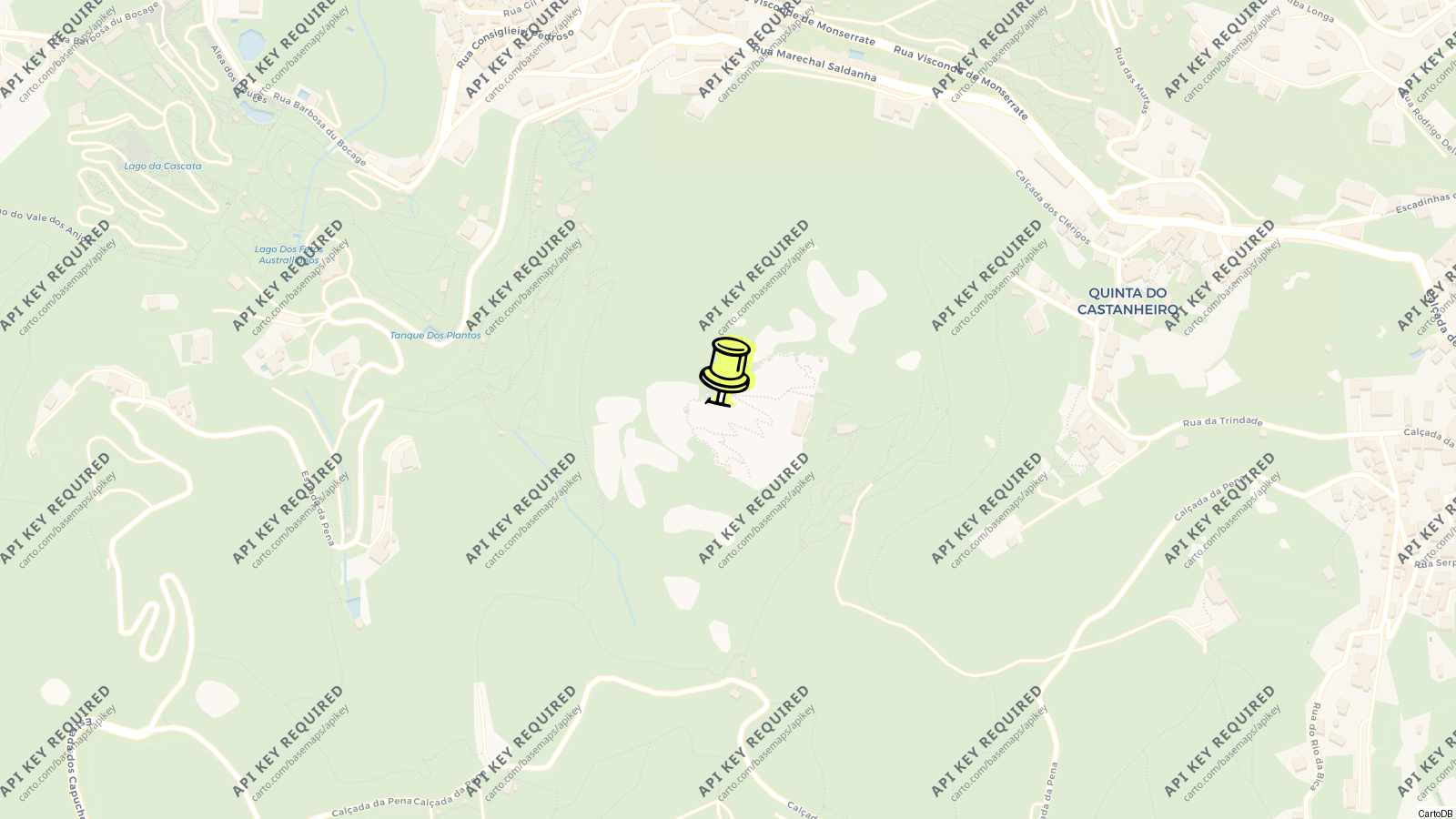
The Castle of the Moors is the 8th and 9th-century fortress whose walls ride the ridge above Sintra, a double ring of battlements with a 450 m perimeter that surrendered to Afonso Henriques after the fall of Lisbon in 1147 and has been a romantic ruin since Ferdinand II planted trees among its stones in the 1840s. It is part of the Sintra World Heritage landscape and, on a clear day, its towers look out to Mafra, Ericeira and the Atlantic.
The visit is the wall-walk: up and down the crest between five square towers and a round one to the Royal Tower at the south-west corner, with the Pena Palace on the next summit and the town far below.
History
The Moors built it in the 8th and 9th centuries as the strongpoint of a farming district and one of the two key fortresses, with Santarém, of the province of Belata. The king of Badajoz handed Sintra to Alfonso VI of León in 1031 in exchange for an alliance, the Almoravids took it anyway, and after Lisbon fell in 1147 the garrison surrendered voluntarily; Afonso Henriques entrusted it to 30 settlers by the charter of 1154, and Sancho I remodelled it.
Fernando I rebuilt it in 1375, but its people were already drifting down to the village, the chapel of São Pedro inside the walls was abandoned by 1493 and used by the small Jewish community until Manuel I expelled them, and the castle was left empty. The earthquake of 1755 shook the chapel and the walls; Ferdinand II bought it in 1840 with the Pena monastery, consolidated the walls, reforested the enclosure and built a small monument for the bones found in the works, with the German engineer Eschwege supervising. The monuments service rebuilt the walls in 1939 and again in later decades, and excavations in the chapel from 1979 found tombs of around 1200.
Visiting
From the ticket gate a path climbs through Ferdinand’s wood to the outer wall and the main gate between two turrets; inside are the ruins of the cellars, animal pens and the underground cistern, 18 m long and 6 m wide and high, that collected rain through openings in its roof, and the Arab grain silos cut into the rock along the perimeter. The chapel of São Pedro, the parish church of Sintra in the 12th century, stands roofless among the trees.
The inner wall is the walk: five rectangular towers and one round one, all crowned with pyramidal merlons, linked by steep stairs along the granite crest, with the Traitors’ Gate on the north face and the Royal Tower, the highest, at the south-west end. The steps are uneven and unrailed in places, and the wind on the crest is constant.
Tips
- Bus 434 from the station stops at the castle gate before Pena; walking up from the town takes 40 minutes on a shaded path and is better than the bus queue in summer.
- Do the castle before Pena; it is the quieter of the two and its view includes the palace.
- Cloud sits on the ridge many mornings; if the summit is in fog, do the town palace first and come up after noon.
- The wall-walk is not for vertigo or small children; the outer path around the base has views without the drops.
Nearby
- Pena Palace: 10 minutes’ walk along the road.
- Sintra National Palace: 40 minutes down the footpath.
- Quinta da Regaleira: below the west end.
- Parque da Pena: the woods between the two.
Know this destination? Help us improve
Your local experience is valuable to other travelers.