Monserrate Palace
Moorish-Gothic villa and the botanical park of an English millionaire

Essential info
Visit details
Overview
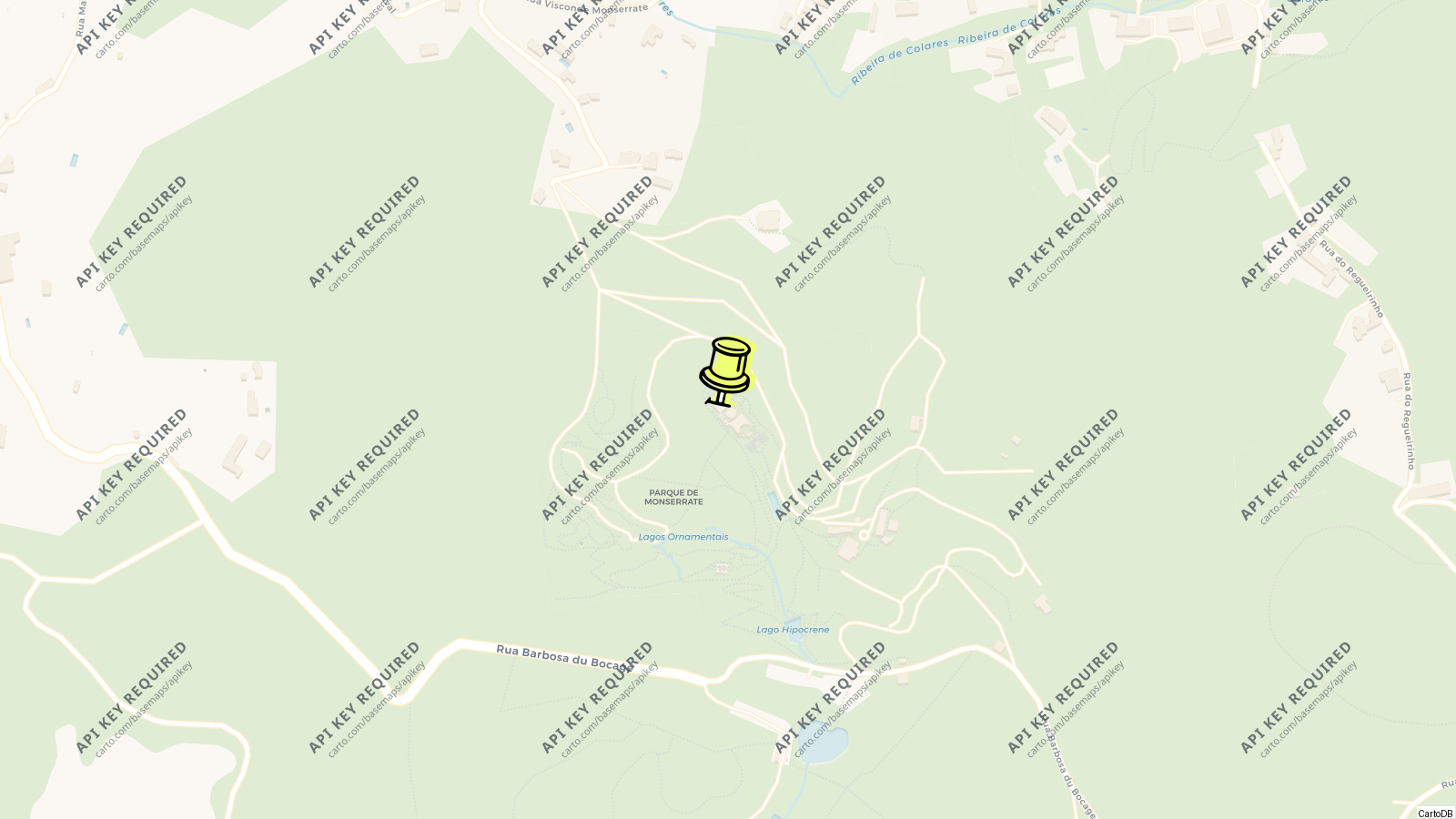
Monserrate is the villa and garden that the English merchant Francis Cook built from 1858 on the hill west of Sintra, a Moorish-Gothic-Indian house by James Knowles on the ruins of an earlier English folly, set in a park of plants from every continent that runs down a valley of ferns and lawns to a lake. It is the least visited of the Sintra palaces and the most restful, open daily from 10:00 to 18:00.
The house is small and delicate, a central dome and two end towers with carved arcades running the length of the front and Mughal plasterwork inside; the garden won the European Garden Award in 2013 for the restoration that brought it back from ruin after 2000.
History
A chapel to Our Lady of Monserrate stood on the hill from 1540, on ground that belonged to a Lisbon hospital and then the Mello e Castro family until the earthquake of 1755 wrecked their farmhouse. Gerard de Visme, an English merchant, rented the estate in 1789 and built a neo-Gothic house on the chapel’s ruins; William Beckford took the lease in 1793 and began a landscape garden; Byron found it in ruins in 1809 and put it into Childe Harold, which sent every English traveller after him up the hill.
Francis Cook, a London textile millionaire, took the lease in 1856, bought it in 1863 and with Knowles rebuilt de Visme’s house as the summer home of his family; Luís I made him Viscount of Monserrate. The state bought the estate and its hunting grounds in 1949, the palace was listed in 1978 and the whole Sintra landscape by UNESCO in 1995; Parques de Sintra took it over in 2000 and its restoration reopened house and garden.
Visiting
The house has three domed pavilions linked by a long gallery, the whole front a lace of carved arches; inside, the corridor runs the length of the building under carved plaster, past the music room under the central dome, the library, the dining room and the Indian-style hall, and every room opens on to the terrace and the view down the valley.
The park is arranged by geography: Mexican agaves and yuccas, Australian and New Zealand tree ferns in the fern valley below the house, Japanese camellias, azaleas and bamboos, araucarias and palms, and the native strawberry trees, holly and cork oaks of the Sintra hills; the lake, the springs and fountains, the grottoes and the ruined chapel that de Visme left as a folly are along the paths. The farmyard at the bottom keeps horses, donkeys, sheep and a poultry run and runs on its own wind, water and solar power.
Tips
- Bus 435 from the station serves Regaleira, Seteais and Monserrate on a loop; the walk from the town along the road is 4 km, and mostly uphill on the way back.
- Monserrate is the Sintra sight without a queue; come here in the afternoon when Pena is a scrum.
- The garden takes longer than the house; give it an hour and a half and wear shoes for the paths.
- The café on the terrace is the one place in Sintra to sit with a view and nobody behind you.
Nearby
- Seteais Palace, now a hotel: 2 km back towards the town.
- Quinta da Regaleira: 3 km.
- Convento dos Capuchos: 7 km by the forest road.
- Sintra centre: 4 km.
Know this destination? Help us improve
Your local experience is valuable to other travelers.