Palace of Queluz
Pink Rococo summer palace and gardens between Lisbon and Sintra

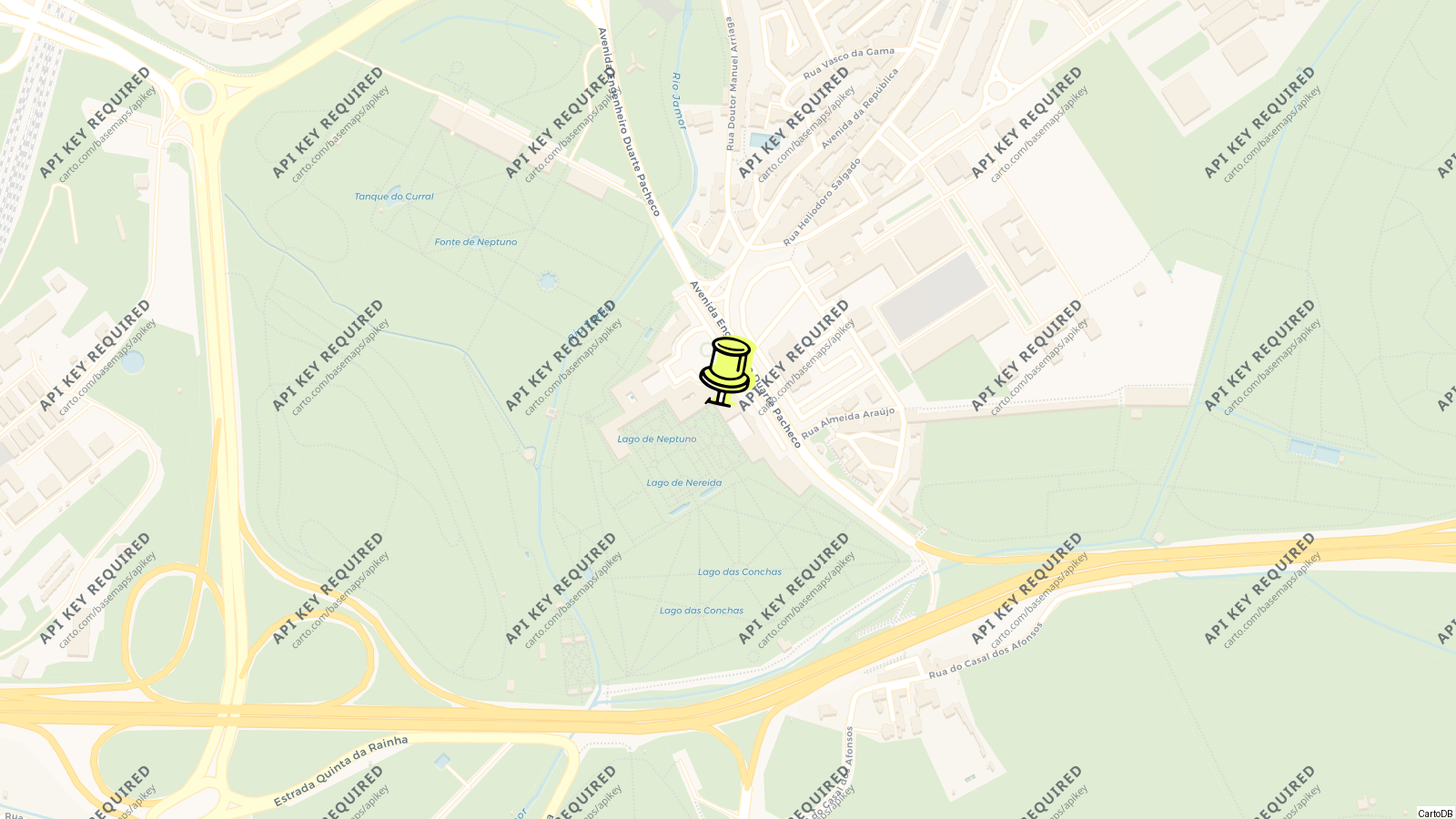
Essential info
Visit details
Overview
The Palace of Queluz is the pink Rococo summer palace between Lisbon and Sintra that was begun in 1747 for Pedro of Braganza, the king’s brother who married his own niece and reigned beside her as Pedro III, and that became the home of Queen Maria I in her madness and the official residence of the regent João until the court fled to Brazil in 1807. It is one of the last great Rococo buildings in Europe, called the Portuguese Versailles by people who have not been to Versailles and “a very expensive birthday cake” by someone who had.
The palace faces a town square with a plain front and turns its finery to the gardens: the Ceremonial Facade on to the Hanging Garden, the Robillon wing with its colonnade and statued staircase, and the formal parterres, canal and fountains that Jean-Baptiste Robillon laid out behind. One wing, the Queen Maria I Pavilion, is Portugal’s state guest house for visiting heads of state.
History
The estate was seized from the Marquis of Castel Rodrigo in 1640 for collaboration with Spain and set aside for the king’s second son; Mateus Vicente de Oliveira, who had trained at Mafra, began the palace in 1747 and built fast until the earthquake of 1755 took away the workers. When work resumed in 1758 the design changed for fear of another quake, into long low wings linked by higher pavilions, which is the outline seen today; Robillon, the French goldsmith-architect, took over the gardens, many buildings and the interiors, finishing his wing in 1779.
Pombal, who governed for the idle José I, married Pedro to the heiress Maria in 1760 and encouraged them to live at Queluz out of the way; when Maria became queen in 1777 she dismissed him. After Pedro’s death in 1786 her mind gave way and the palace became her discreet prison; when Ajuda burned in 1794 her son João made Queluz the official residence, until the French invasion of 1807 sent the family to Brazil. From 1826 the kings lost interest, the state took it in 1908, a fire in 1934 gutted a third of the interior, and the restoration made it a museum.
Visiting
The route runs through the Throne Room with its mirrors and gilt, the Music Room, the Ambassadors’ Hall with its chequered floor and painted ceiling of the royal family at a concert, the chapel with its onion dome, the queen’s boudoir and the Don Quixote Room, the circular bedroom where Pedro IV, first emperor of Brazil, was born and died. The interiors are Robillon’s and Pillement’s, painted, mirrored and lacquered, and light where Mafra is heavy.
Outside, the Hanging Garden on its raised terrace fills the courtyard of the Ceremonial Facade, with box parterres, statues and the Neptune fountain; the Robillon wing’s Doric colonnade and the double staircase of the Lion Steps drop to the lower gardens, where the tiled canal, lined with azulejos of river scenes, once carried the royal boats.
Tips
- Queluz is on the Sintra railway line from Rossio, a short walk from the station, and the least crowded of the royal palaces; put it on the way to or from Sintra.
- The gardens are the better half; on a fine day give them an hour and the palace 45 minutes.
- The Portuguese School of Equestrian Art gives displays of Lusitano horses in the palace gardens on set days; check the palace website.
- The café is in the old kitchens, the Cozinha Velha, and is a restaurant rather than a snack bar.
Nearby
Know this destination? Help us improve
Your local experience is valuable to other travelers.