Quinta da Regaleira
Initiation wells, tunnels and a neo-Manueline palace of symbols

Visit details
Overview
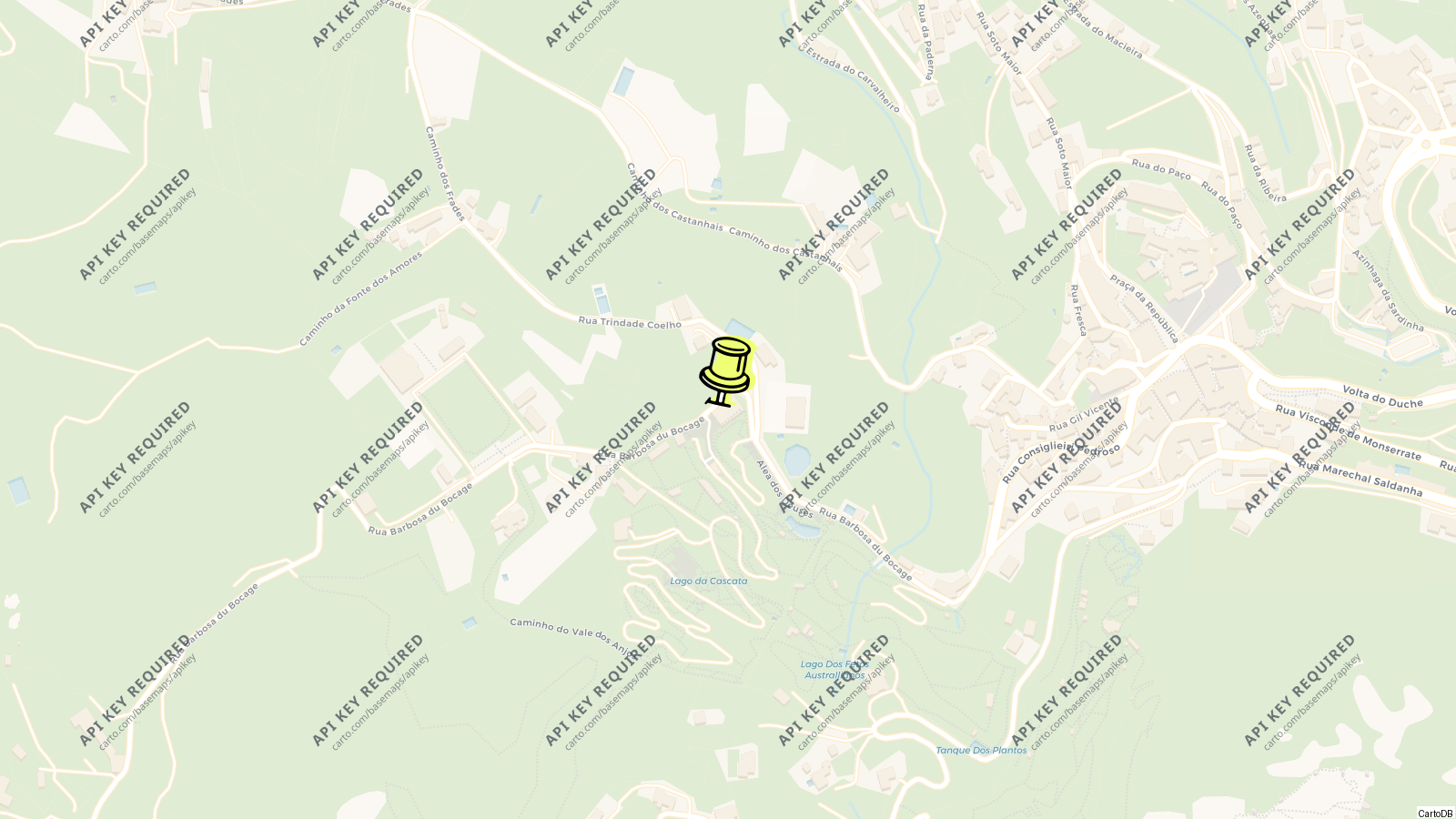
The Quinta da Regaleira is the four-hectare estate at the edge of Sintra that the Brazilian-born millionaire António Augusto Carvalho Monteiro built between 1904 and 1910 with the Italian stage designer and architect Luigi Manini: a neo-Manueline palace and chapel and a hillside garden of grottoes, tunnels, lakes, towers and two “initiation wells”, spiral staircases sunk into the ground, loaded with symbols of the Templars, the Masons and the Rosicrucians. It is the Sintra sight people remember, and the best in the rain.
The estate belongs to the town council, which bought it in 1997 after a decade in which a Japanese corporation kept it shut, and opened it in 1998; it is a five-minute walk from the town centre.
Visiting
The palace has five floors: the reception rooms on the ground floor, bedrooms above, Monteiro’s office on the second floor and a terrace at the top under the octagonal tower, the whole facade bristling with pinnacles and gargoyles. The chapel in front of it has frescoes of St Teresa and St Anthony, and a floor with the armillary sphere and the cross of the Order of Christ ringed with pentagrams.
The garden is the visit. Paths climb through wooded terraces past fountains and the aquarium set in a boulder to the Initiation Well, a 27 m spiral of nine flights of stairs and 23 niches with a Templar cross on the compass at the bottom; from there a tunnel leads out through Leda’s Cave under the Regaleira tower to the Waterfall Lake, and other passages link the grottoes and the smaller Unfinished Well with its straight stairs and ring floors. The stepping stones across the lake, the Portal of the Guardians and the tower with its view over the valley finish the circuit.
History
The land belonged to the Viscountess of Regaleira, of a Porto merchant family, when Carvalho Monteiro bought it in 1892; “Monteiro the Millionaire”, heir to a fortune made in Brazil and a collector of books, butterflies and ideas, wanted a place to assemble the symbols of his beliefs. Manini, who had designed sets at La Scala, gave him a house in Roman, Gothic, Renaissance and Manueline dress and a garden that is a stage for initiations.
Waldemar d’Orey bought it in 1942 as a family home and repaired it; the Aoki Corporation bought it in 1987 and closed it for ten years; the council took it over in 1997, restored it and opened it in June 1998, and the Ministry of Culture listed it that August.
Tips
- Go into the well from the top and out through the tunnel at the bottom; it is one-way and the queue at the top moves slowly, so be there early.
- Bring a torch or a phone light for the tunnels; the paths are wet even in summer.
- It is walkable from the station and the town, unlike Pena; leave the bus for the hill.
- Allow two hours for the garden; the palace is a 20-minute add-on.
Nearby
- Sintra National Palace: 10 minutes’ walk.
- Seteais Palace hotel: five minutes up the road.
- Castle of the Moors: above.
- Monserrate: 3 km on bus 435.
Know this destination? Help us improve
Your local experience is valuable to other travelers.