Belém Tower
Manueline fort at the mouth of the Tagus, symbol of the Discoveries

Visit details
Overview
The Belém Tower is the Manueline fort that Manuel I built between 1514 and 1519 at the mouth of the Tagus to guard the approach to Lisbon and to greet the ships coming home from India: a bastion and a four-storey tower 30 m high in lioz limestone, with domed turrets borrowed from Moorish minarets, ropes and armillary spheres carved into the stone and, on one corner, a rhinoceros, the first seen in Europe. It has been a World Heritage site with the Jerónimos since 1983 and is the image of Portugal’s maritime age.
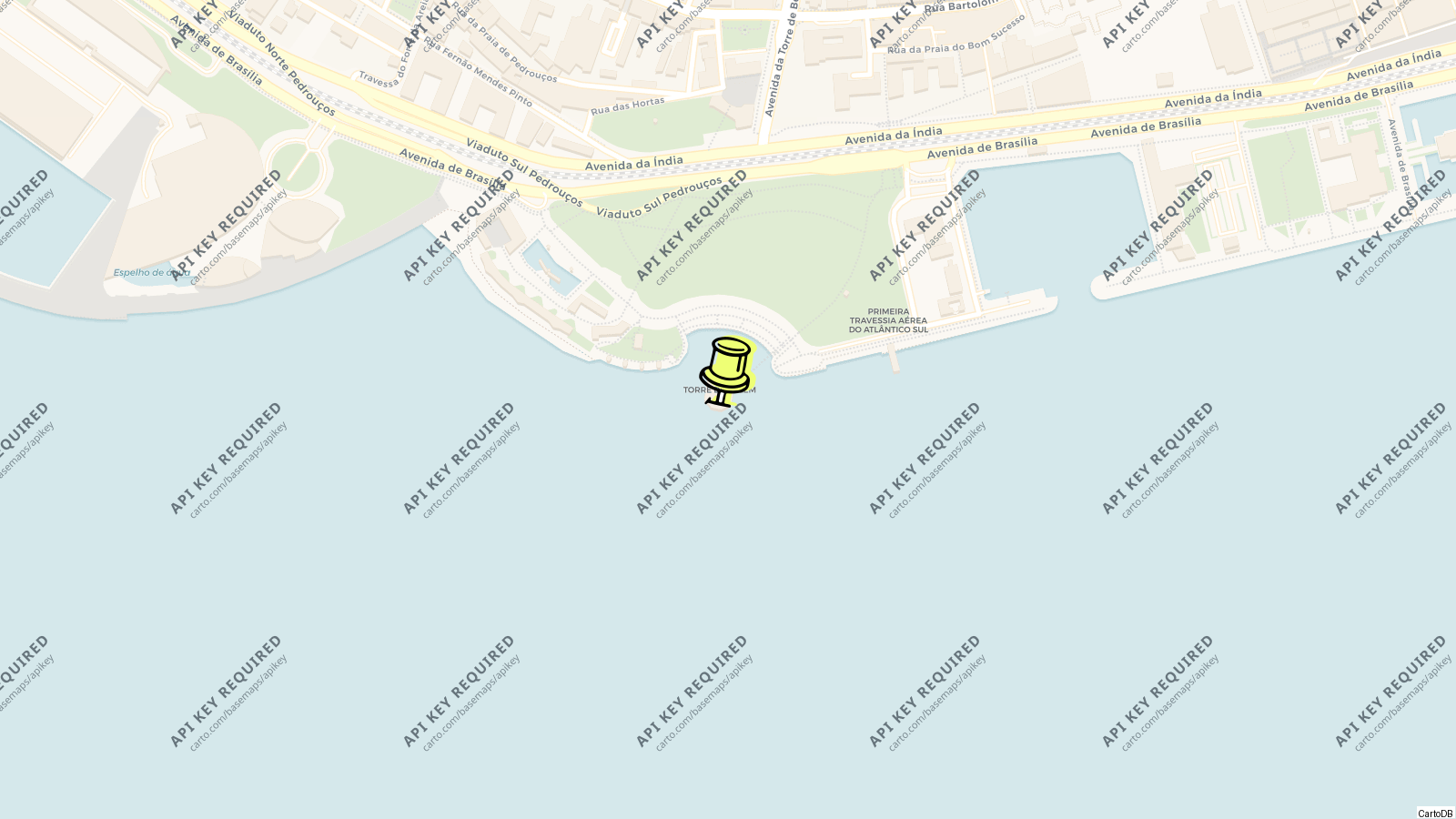
It was built on a rocky islet a short way from the north shore, not in mid-river as the legend says, and the small bridge that leads to it now is a few steps from the promenade. Officially the Tower of St Vincent, it is open Tuesday to Sunday, 10:00 to 17:30 from October to April and to 18:30 from May to September.
History
João II had planned a fort here in the 1490s to close the gap between the fortresses of Cascais and Caparica, and died before it was drawn; Manuel I revived the idea and the military architect Francisco de Arruda began receiving stone in 1516, using blocks quarried for the Jerónimos. The fort was finished in 1519, two years before the king’s death, and named the Castle of St Vincent for Lisbon’s patron; a 1,000-ton warship, the Grande Nau, guarded the estuary until it was done.
In 1580 its garrison surrendered to the Duke of Alba after a few hours, and from then until 1830 the dungeons were a prison; the Spanish kings built barracks over the bastion, which gave the tower the profile it keeps, and Miguel I locked his liberal opponents in the cells in the 1830s. The French quartered troops here from 1808 to 1814. The writer Almeida Garrett campaigned against its decay, and from 1845 the barracks were demolished and neo-Manueline touches added; a beacon and telegraph followed in the 1860s. A full restoration in 1997 and 1998 won the Europa Nostra award, and in 2007 the tower was voted one of the Seven Wonders of Portugal.
Visiting
Approach along the river from the Padrão dos Descobrimentos, 10 minutes’ walk west, and look first from the shore: the bastion with its gun ports at water level, the turrets with their ribbed domes, the loggia and Venetian-style balcony on the south face, and the crosses of the Order of Christ on the parapets. The rhinoceros is carved under the western turret, worn but recognisable, a memory of the animal an Indian ruler sent to Manuel in 1515.
Inside, the bastion’s vaulted casemates and the open terrace with the statue of the Virgin and Child come first; the tower above holds the governor’s room, the king’s room with its loggia, the audience room and the chapel, one on each floor, up a narrow spiral stair, and the roof terrace at the top with the river, the bridge and the Jerónimos in view. Entry is limited by the size of the stair, so the queue moves in pulses.
Tips
- The queue outside is often longer than the visit; come at opening or in the last hour, or content yourself with the outside, which is most of the pleasure.
- Combine with the Jerónimos and the Padrão, and the pastry shop by the monastery, in one morning along the river.
- Low tide leaves the tower on a spit of sand and gives the best photographs from the beach to the east.
- Closed Monday, like the Jerónimos.
Nearby
- Padrão dos Descobrimentos: 10 minutes east along the river.
- Jerónimos Monastery: 15 minutes.
- Fort of Bom Sucesso and the Overseas Combatants memorial: next door.
- Museu de Arte Popular: beside the Padrão.
Know this destination? Help us improve
Your local experience is valuable to other travelers.