Praça do Comércio
The great riverside square built over the ruins of the royal palace

Overview
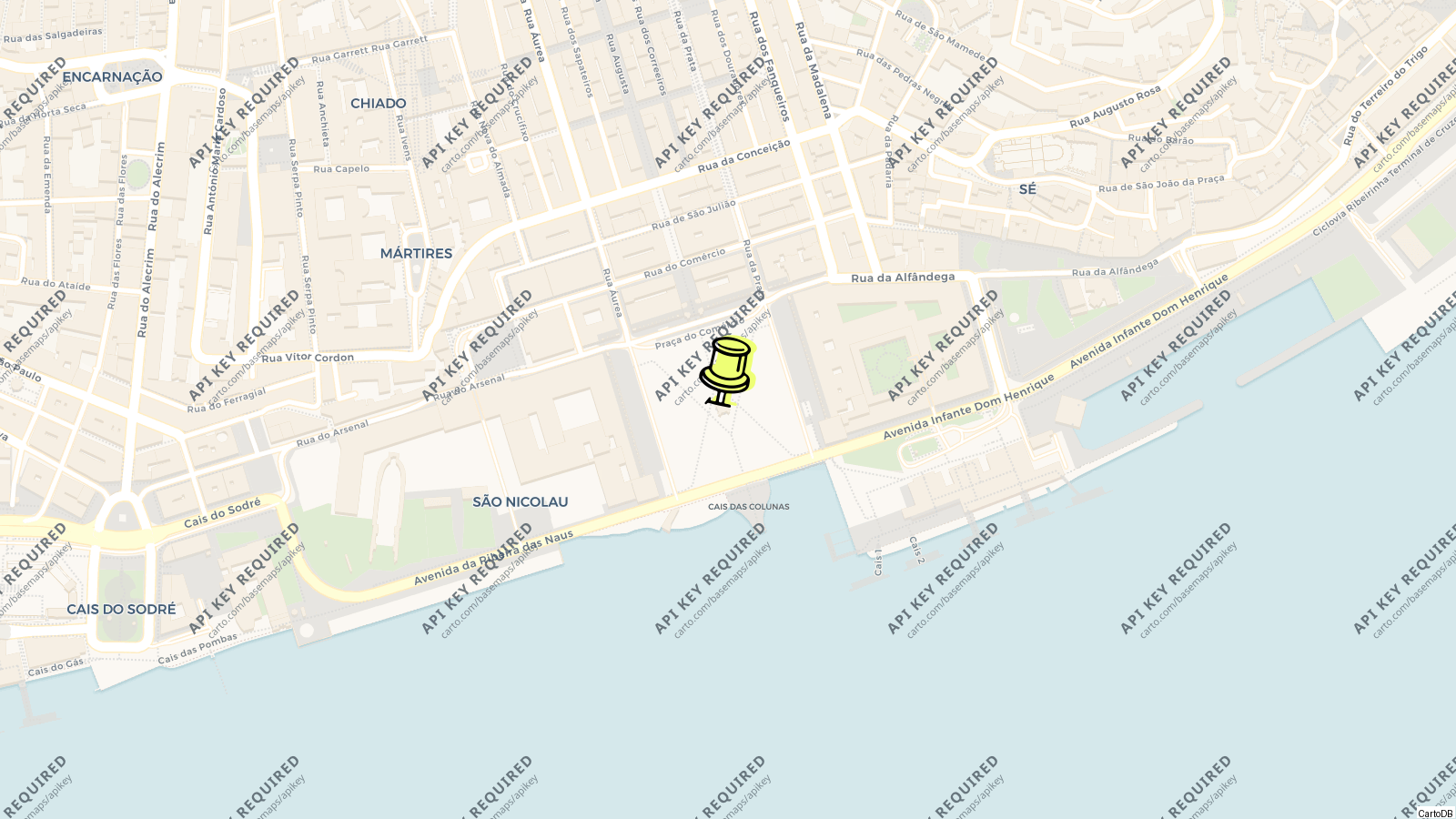
The Praça do Comércio is the great square on the Tagus that Lisbon built over the ruins of its royal palace after the earthquake of 1755, 175 m by 175 m of yellow arcaded ministries around the equestrian statue of José I, open on the south to the river and closed on the north by the triumphal arch of the Rua Augusta; Lisboetas still call it the Terreiro do Paço, the palace yard, and a National Monument since 1910.
It is where the city meets the water: the marble steps at the river’s edge where kings and dignitaries once landed, the ferries to the south bank, the oldest café in the city under the arcade and the Lisbon museum in the western tower, and, on 10 June, the Portugal Day parade.
History
Manuel I built the Ribeira Palace on the shore outside the walls in the early 16th century, and the port, the shipyards and the Casa da Índia grew round it; the earthquake, tsunami and fire of 1 November 1755 destroyed palace, library of 200,000 books and all. Pombal’s architect Eugénio dos Santos laid out a U-shaped square of uniform buildings with ground-floor arcades and two towers at the river ends recalling the palace tower, and named it for commerce, filling it with customs and port offices. Machado de Castro’s bronze of José I, the first monumental royal statue in Lisbon, was unveiled in 1775; the east tower and the arch were left for the 19th century, the arch finished in the 1870s with statues of Glory, Ingenuity and Valour above Viriatus, Nuno Álvares Pereira, Vasco da Gama and Pombal.
On 1 February 1908 the king Carlos I and his heir Luís Filipe were shot dead in their carriage crossing the square by two republicans, an event that brought the monarchy down two years later; through the 20th century the ministries of war, navy, colonies and finance made the square a synonym for the government.
Visiting
Come in from the Rua Augusta under the arch, which you can climb for the view down the square to the river, and the whole space opens at once: the arcades, the statue, the water. Walk to the river edge, where the marble staircase that predates the earthquake descends into the Tagus, and look back at the arch; then east along the arcade to the Martinho da Arcada, founded in 1782 and the oldest café in the city, where Fernando Pessoa had his table.
The western tower holds the Baixa branch of the Museum of Lisbon, the Lisboa Story Centre is under the east arcade and the tourist office is beside it; the Terreiro do Paço ferry and metro station are on the east side and the Cais do Sodré, with the Cascais trains, 10 minutes west along the water.
Tips
- The square is at its best at dawn, empty, and at sunset from the river steps; at midday it is a sheet of glare.
- The cafés under the arcades charge square prices; the Martinho is worth it for the room, the others are not.
- Cross the road to the water by the marked crossings; the Avenida Ribeira das Naus traffic is fast.
- The ferry to Cacilhas from the Cais do Sodré, 10 minutes west, gives the classic view back at the square for the price of a ticket.
Nearby
- Rua Augusta and the Baixa grid: through the arch.
- Lisbon Cathedral: five minutes east and uphill.
- Cais do Sodré and Time Out Market: 10 minutes west.
- Alfama: 10 minutes east.
Know this destination? Help us improve
Your local experience is valuable to other travelers.