Calouste Gulbenkian Museum
Gulbenkian's "only the best" collection in a park, reopened 2026

Visit details
Overview
The Calouste Gulbenkian Museum holds one of the great private art collections of the 20th century, some 6,000 objects assembled by the Armenian oil magnate who settled in Lisbon in the war, of which about a thousand are shown: Egyptian and Mesopotamian antiquities, Islamic ceramics and carpets, Chinese porcelain, Japanese prints, French 18th-century furniture and silver, paintings by Rembrandt, Rubens, Turner, Monet, Manet, Degas and Renoir, and a room of jewellery by René Lalique that is the finest anywhere. Gulbenkian’s motto was “only the best” and the museum follows it.
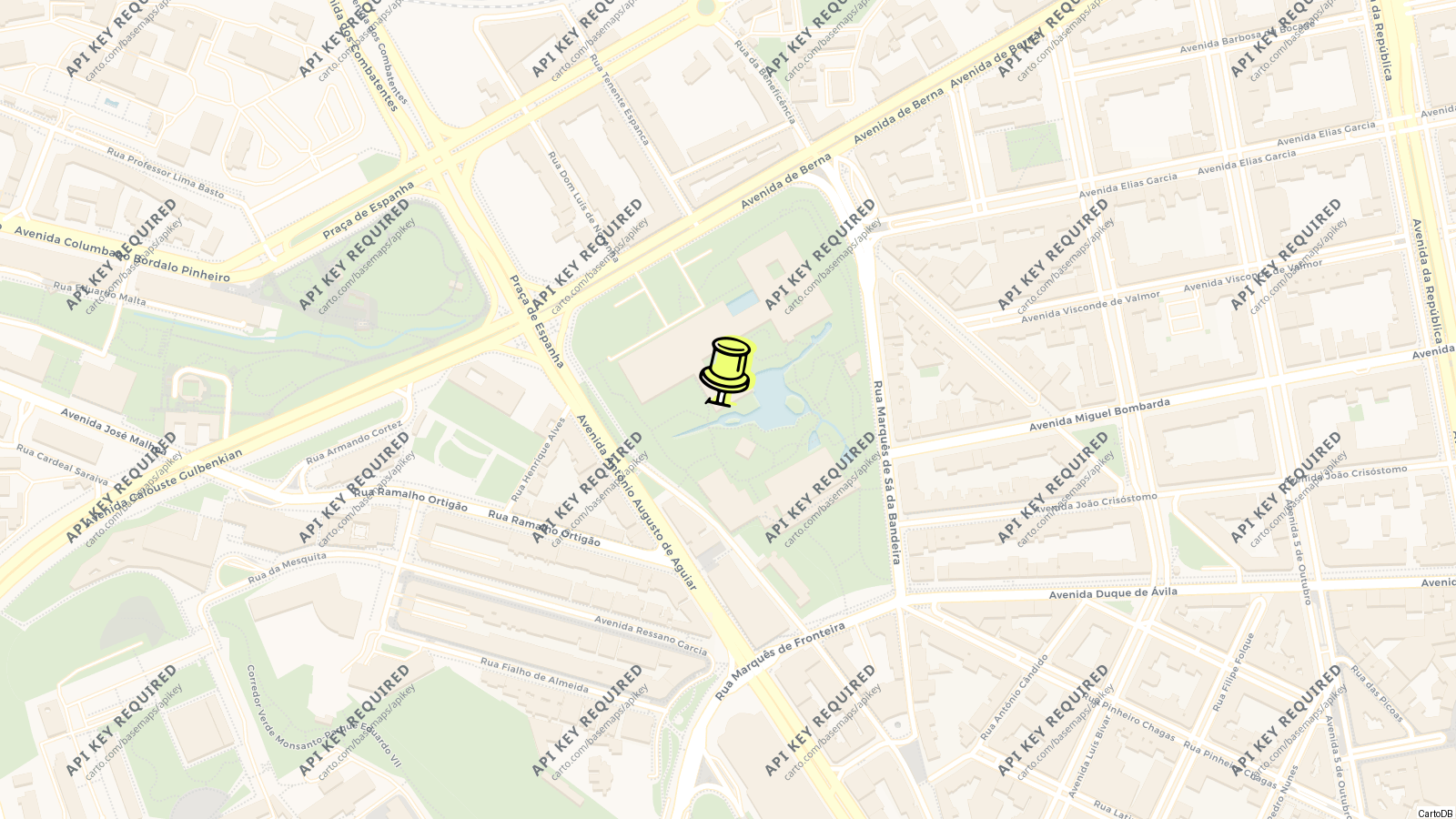
It stands in its own park in the Avenidas Novas, a low modernist building of 1969 that won the Valmor prize, with the Foundation’s concert halls beside it and the Centro de Arte Moderna, rebuilt by Kengo Kuma in 2024, across the garden. The museum reopened on 18 July 2026 after a long renovation and is open Wednesday to Monday from 10:00 to 18:00, closed Tuesday.
Visiting
The galleries run in two circuits. The first is antiquity and the East: Egyptian, Mesopotamian, Persian and Armenian pieces, Greek and Roman art, then Persian art of the Islamic period, the carpets and the Iznik and Syrian ceramics, and the Chinese and Japanese rooms. The second is Europe from the 11th century to the mid-20th: ivories and illuminated books, Renaissance sculpture and painting from the Netherlands, Flanders, France and Italy, the French 18th-century decorative arts with gold, silver and furniture, a gallery of Guardi’s Venetian views, English 18th and 19th-century painting, and finally the Lalique room.
The building was designed for the collection, with views out into the woods and pools between the rooms, and the park around it, with its amphitheatre, ponds and paths, is part of the visit. Almada Negreiros’s panel Começar is in the Foundation’s entrance hall.
History
Calouste Gulbenkian bought from the 1900s onwards, including paintings from the Soviet sale of Hermitage works in the 1930s, and left his collection and fortune to a foundation based in Portugal, where he had lived since 1942. The foundation bought part of the Parque de Santa Gertrudes in 1957 and held a competition in 1959, won by Alberto Pessoa, Pedro Cid and Ruy d’Athouguia with the landscape architects António Viana Barreto and Gonçalo Ribeiro Telles; the buildings and gardens opened on 2 October 1969.
The Centro de Arte Moderna, Portugal’s first museum of modern art, opened in 1983 in a building by the British architect Leslie Martin and reopened in 2024 after a €58 million redevelopment by Kengo Kuma, whose 100 m entrance canopy of dark ash planks under white tiles, inspired by the Japanese engawa, is now the park’s landmark. Xavier Salomon became director of the museum in 2026.
Tips
- Closed Tuesday, not Monday, unlike most Lisbon museums; plan the Monday here.
- Allow two hours for the museum and half an hour for the park; the café by the garden is where the city’s retired meet.
- The Lalique room is at the end of the second circuit; do not run out of time before it.
- The CAM across the park is a separate ticket and building; the Kuma canopy is free to walk under.
Nearby
- Centro de Arte Moderna: across the park.
- Parque Eduardo VII: 10 minutes south.
- El Corte Inglés and São Sebastião: five minutes.
- Praça do Comércio and the Baixa: 15 minutes by metro.
Know this destination? Help us improve
Your local experience is valuable to other travelers.