Jerónimos Monastery
The Manueline masterpiece with the tombs of Vasco da Gama and Camões

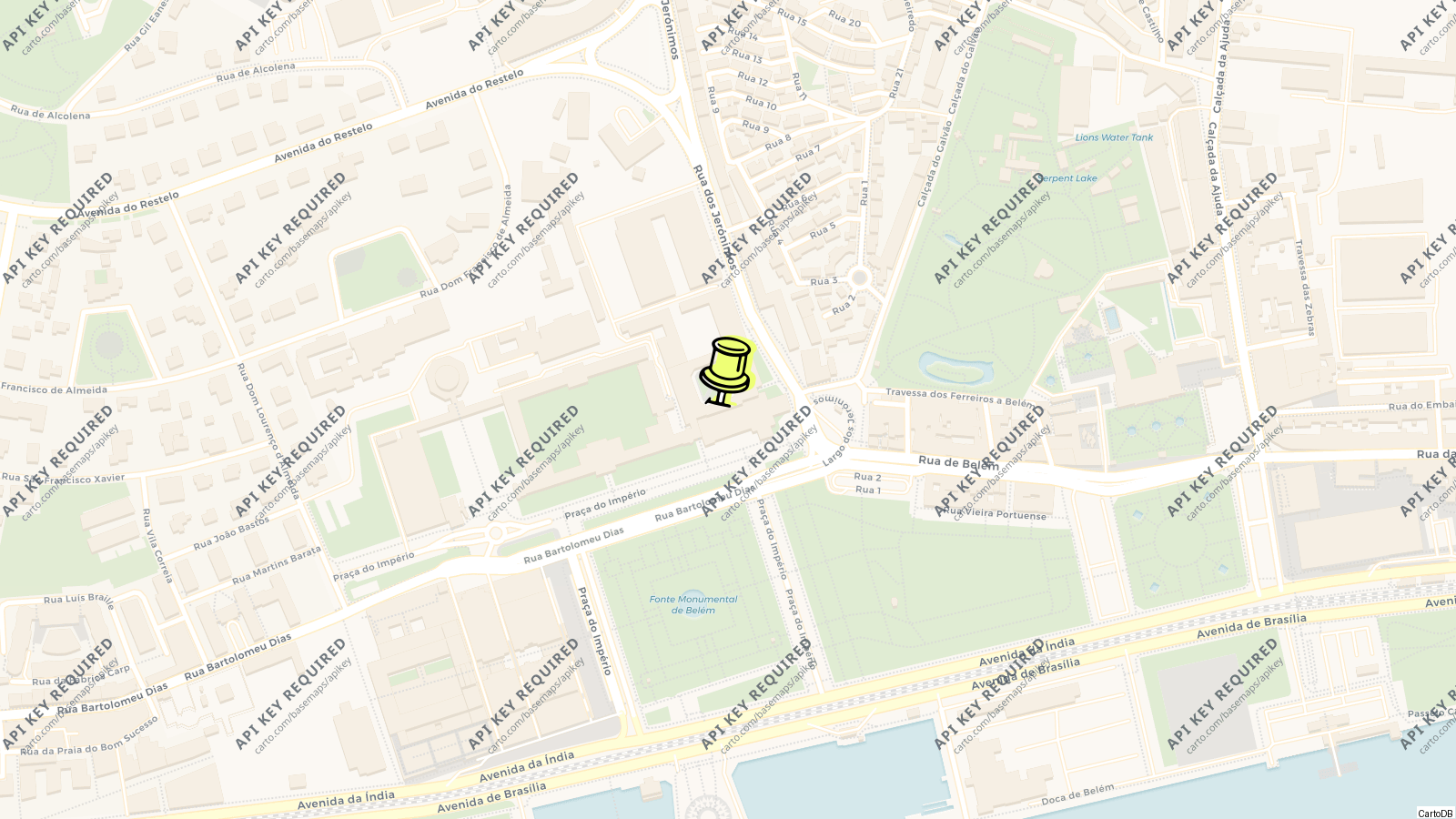
Visit details
Overview
The Jerónimos Monastery is the masterpiece of the Manueline style and the monument of the Discoveries: the Hieronymite house that Manuel I began on 6 January 1501 beside the beach at Restelo from which Vasco da Gama had sailed for India, paid for with the Vintena da Pimenta, a five per cent tax on the trade with Africa and the East worth about 70 kg of gold a year, and built over a century by Boitaca, Castilho, Chanterene, Torralva and Jerónimo de Ruão. It was the pantheon of the Aviz kings, holds the tombs of Vasco da Gama and Camões, and has been a World Heritage site with the Belém Tower since 1983.
The church is free and the cloister is the ticket; the cloister is the reason to come, two storeys of carved limestone where every arch, pier and parapet is covered in ropes, coral, shells, foliage and the armillary sphere and cross of the Order of Christ.
History
Vasco da Gama and his men prayed through the night of 1497 in the old hermitage of Restelo, served by the Order of Christ, before sailing; Manuel had already asked Rome in 1496 for permission to build a monastery on the spot as a resting place for his dynasty. Diogo de Boitaca, who had pioneered the style at Setúbal, drew the plan and built in golden lioz limestone from Ajuda and Alcântara; Juan de Castillo took over around 1517 and moved towards Plateresque ornament; work stopped when Manuel died in 1521, resumed under Torralva in 1550 with the main chapel and choir in Renaissance forms, and stopped again in 1580 when the Escorial swallowed the money.
Philip II closed it to all but the royal family and the monks in 1604; four children of João IV, including Afonso VI and Catherine of Braganza, were buried here after 1640. The earthquake of 1755 cost it only a balustrade and part of the choir. The orders were dissolved in 1833 and the building given to the Casa Pia charity; restoration from 1860 onwards rebuilt the dormitory wing, the towers and the church front as they are now, with a dormitory collapse in 1878 along the way. In 1880 the remains of Vasco da Gama and Camões were brought to new tombs in the nave, close to Manuel I and João III.
Visiting
The south portal on the river side, by Castilho, is a 32 m wall of carving around Henry the Navigator’s statue; the west portal by Chanterene, under the later choir, has the kneeling figures of Manuel and Queen Maria. Inside, the church is a single hall of three aisles under one net vault carried on slender octagonal piers, wide as a cathedral and unnervingly light; the tombs of Vasco da Gama and Camões face each other under the choir, and the transept chapels hold the kings on elephants.
The cloister is two storeys around a garden, the lower by Boitaca, the upper by Castilho, and the walk round both levels is the visit, with the refectory and its tiles, the chapter house with the tomb of Alexandre Herculano, and the upper choir with its stalls off it. The National Archaeology Museum and the Maritime Museum occupy the long wing built in the 19th century.
Tips
- The church is free and the queue for it is separate from the ticket queue for the cloister; both are shortest at 10:00 and after 16:00. Closed Monday.
- Book the cloister online; the walk-up queue in summer is an hour in the sun.
- The pastry shop next to the monastery sells the custard tarts the monks are credited with; the queue there is faster than it looks and the tarts come out warm.
- Belém is 20 minutes from the centre by tram or train along the river; make it a morning with the tower and the Padrão.
Nearby
- Padrão dos Descobrimentos: across the road and the railway, on the river.
- Belém Tower: 15 minutes west.
- Belém Cultural Centre and the Berardo collection: on the Praça do Império.
- Ajuda Palace: 15 minutes uphill.
Know this destination? Help us improve
Your local experience is valuable to other travelers.