National Museum of Ancient Art
Portugal's national gallery: Bosch, the St Vincent Panels, the Belém monstrance

Visit details
Overview
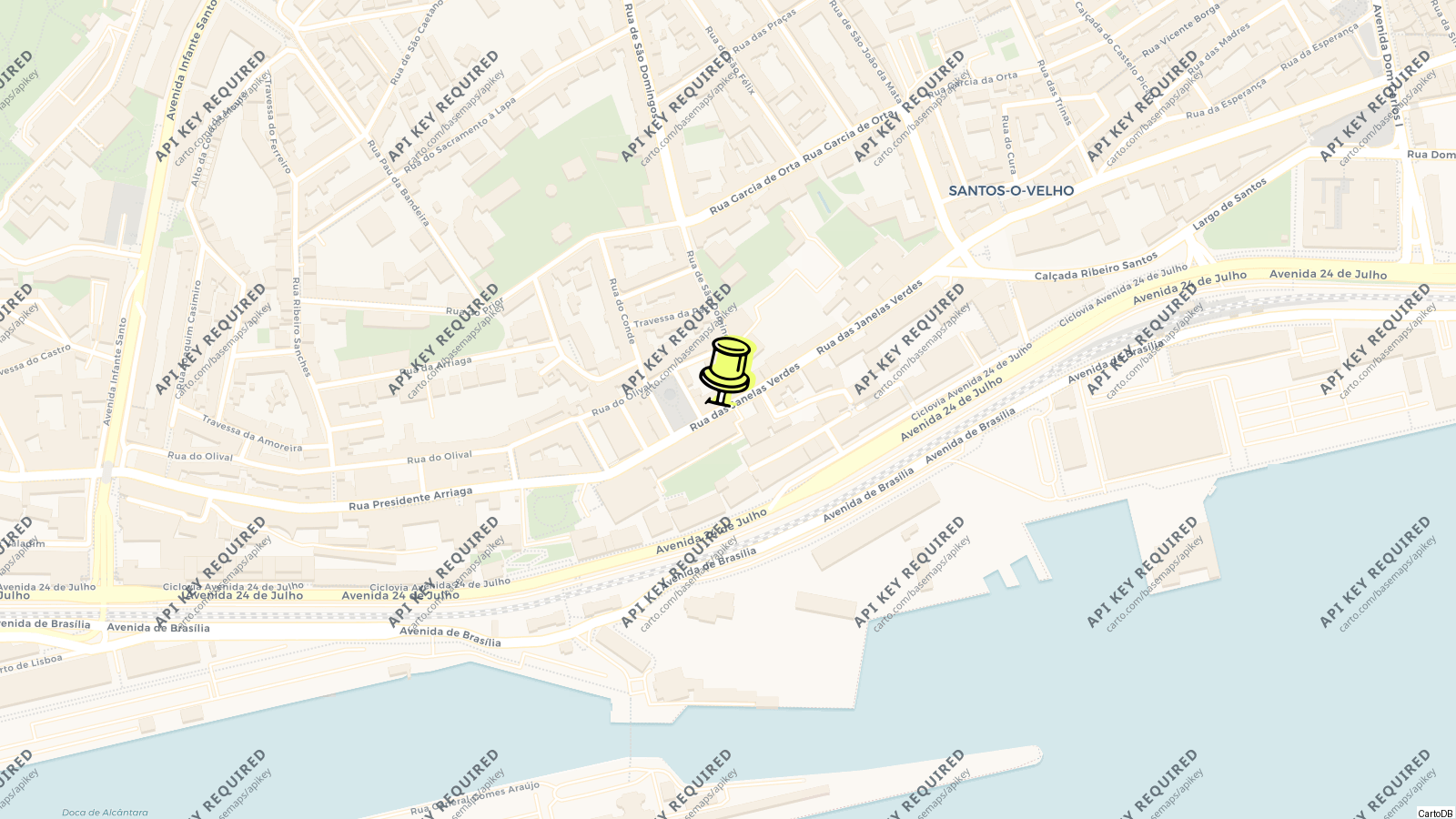
The Museu Nacional de Arte Antiga, the MNAA, is Portugal’s national gallery, founded in 1884 in the 17th-century palace of the Counts of Alvor on the Rua das Janelas Verdes above the docks, with more than 40,000 works of painting, sculpture, goldwork, furniture, textiles and ceramics from the Middle Ages to the early 19th century, much of it confiscated from the monasteries in 1833. Its three famous things are the St Vincent Panels of Nuno Gonçalves, Bosch’s Temptation of St Anthony and the Belém Monstrance made from the first gold Vasco da Gama brought back from East Africa.
It is open Tuesday to Sunday from 10:00 to 18:00, and the collection of Portuguese painting of the 15th and 16th centuries, of Indo-Portuguese furniture and Namban lacquer, and of church silver is unmatched anywhere.
Visiting
The European paintings include Bosch’s Temptation triptych, Dürer’s St Jerome, Holbein the Elder, Memling, Cranach, Piero della Francesca, Raphael, Velázquez, Zurbarán, Tintoretto, Van Dyck and Poussin. The Portuguese rooms have the St Vincent Panels, six large panels of before 1470 with 60 figures from every rank of society venerating the saint, argued to be one of the first group portraits in European art, and the 16th-century masters Jorge Afonso, Grão Vasco, Gregório Lopes and Cristóvão de Figueiredo, then Josefa de Óbidos, Vieira Portuense and Domingos Sequeira.
The goldwork gallery has the Belém Monstrance, inscribed as made from the gold Vasco da Gama brought from Kilwa in 1504 and 1505 and possibly by Gil Vicente, the playwright who was also a goldsmith; the sculpture, textiles, ceramics and the Asian collections fill the rest, and the Santo Alberto chapel is a whole gilt-and-tile church folded into the museum.
History
The dissolution of the religious orders in 1833 put a mass of church art in state hands, and the Academy of Fine Arts founded in 1836 opened a National Gallery of Painting in the São Francisco monastery in the Chiado with 540 of them. Queen Carlota Joaquina’s collection came in 1859 and Fernando II’s donations of the 1860s gave it a buying fund. In 1881 the Academy rented the Janelas Verdes palace, seized by Pombal from the Alvor family after 1759 and sold to his brother the Inquisitor, for an exhibition of ornamental art from the South Kensington Museum; the state bought it in 1884 and opened the national museum there on 11 May.
The Republic split the collections in 1911, everything before about 1850 staying here as the Museum of Ancient Art and the rest going to the Chiado. The first director, José de Figueiredo, identified the St Vincent Panels, found around 1882, as the work of Nuno Gonçalves and installed them by 1916; in 1940 the museum absorbed the neighbouring Carmelite convent of Santo Alberto, whose Baroque chapel is part of the route.
Tips
- The museum is on a hill between the Cais do Sodré and Alcântara; the tram along the river and a short climb, or the bus, is easier than walking from the centre.
- Start on the top floor with the Portuguese painting and the Panels and work down; the ground floor is where the coach groups start.
- The garden terrace over the docks has a café and one of the quieter views of the river.
- Closed Monday; Saturday afternoon is the quietest slot.
Nearby
- Santos and the Madragoa quarter: below the museum.
- Museu da Marioneta in the Bernardas convent: five minutes.
- Cais do Sodré and the Time Out Market: 15 minutes east along the river.
- LX Factory under the bridge: 20 minutes west.
Know this destination? Help us improve
Your local experience is valuable to other travelers.