Combarro
Pontevedra fishing village with hórreos and cruceiros lined along the harbour

Overview
Wooden balconies lean over the stone alleys, and about thirty hórreos perch right on the waterfront, their granite legs sunk into the salty air. This is Combarro’s signature: hórreos by the sea, some from the 18th and 19th centuries, alongside cruceiros where the Virgin usually looks seawards and Christ faces the hills.
Combarro’s old centre amounts to an open-air museum: granite houses called casas marineras, built with either stone or wood balconies depending on what the family could afford, and enough hórreos that locals still argue exactly how many, most say over 70. The cruceiros (stone calvaries) cluster in little squares, one of the oldest dating to 1771 at Plaza de la Fuente. The 18th-century library building in Plaza de San Roque stands as another quiet landmark.
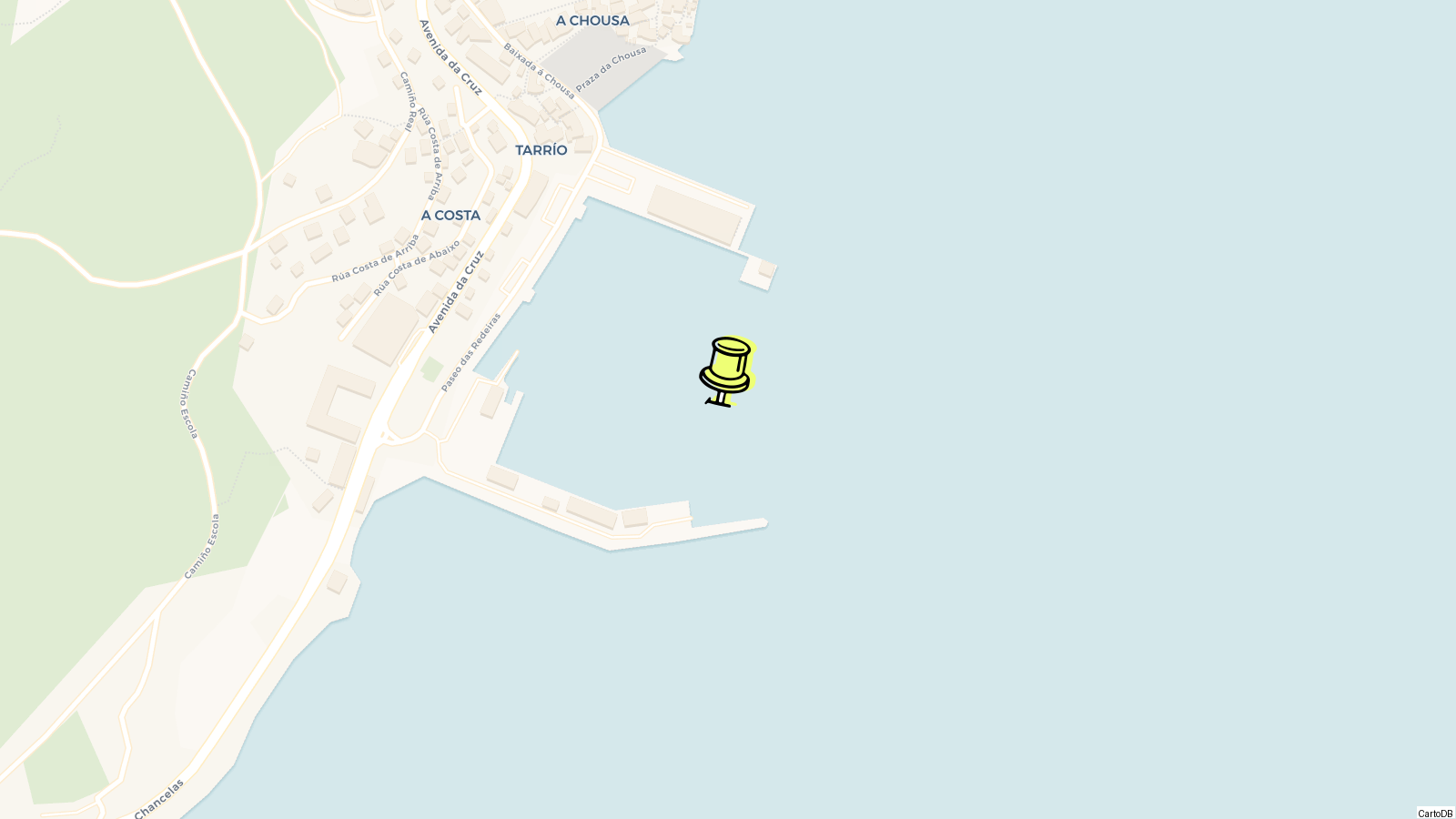
No tickets or opening times, Combarro’s historic quarter is a monument you just walk straight into, day or night. The old port, Peirao, sits just past Praia do Padrón, and if you catch low tide, you can reach it by walking across the sand.
Every street in the historic centre is public, and the open layout means nothing is closed off, if you get up early or stay late, you’ll have parts of the place without another person in sight. The old port remains accessible both from the main alleys and via the beach when the tide is low, and it’s still a working slipway for small boats.
Combarro sits about 6–7 km from Pontevedra, inside the municipality of Poio, right on the Ría de Pontevedra. You’re in Galicia here, and both Galician and Spanish are spoken casually in daily life. The focus is low and local: fishing skiffs, no high-rise hotels, sunlight filtering through the hórreos’ slatted sides.
Combarro was officially declared a Conjunto Histórico in 1972, mainly to protect its unique cluster of coastal hórreos and stone calvaries. Everything is compressed into a walkable patchwork of laneways, so with just 5.53 km² and a population under 2,000, you’re more likely to hear Galician than Spanish if you listen in the market or by the port.
History
Early settlement and growth
Combarro’s present-day layout dates mostly from the 18th century, when its narrow alleys, hórreo granaries, and cruceiros took shape as Galicia’s coastal economy grew around fishing and small-scale agriculture. Earlier history is quieter here than across the ría in Pontevedra. Combarro was a small parish in Poio, overshadowed by its better-connected neighbour, but it developed a distinctive street grid facing out to sea.
The oldest core hugs the shoreline, its urban design dictated by the need to squeeze houses and storage as close as possible to the tidal flats. The bulk of Combarro’s traditional houses, many dating from the 17th and 18th centuries, have wood or stone balconies, and the most practical residents placed their hórreos (grain stores on granite legs) right over the waterfront to save space for their fishing boats. Settlement here never reached the scale of a market town or religious centre: Combarro was always a working village.
Late 18th–19th century markers
The stone cruceiros that stand at the main crossroads and squares in the village, including the one in Plaza de la Fuente dated to 1771, reflect population growth and a turn towards public religiosity in late 18th-century Galicia. For practical rather than aesthetic reasons, each cruceiro tends to have the Virgin facing the sea (blessing the catch, maybe keeping storms at bay), while Christ faces inland towards the fields.
This setup is unique to certain coastal villages in Galicia, where fishing was as spiritually urgent as farming. The cruceiros’ locations are deliberate: crossroads, market points, even near water access, serving both as landmarks and as subtle boundary-markers. Plaza de la Fuente’s 1771 cruceiro is among the oldest in the region and signals the village’s rise as a distinct community in the late 1700s.
20th-century recognition
Combarro drifted along as a modest fishing village until a burst of outside attention in the late 20th century. In 1972, the Spanish government declared Combarro a Conjunto Histórico, a Historic Ensemble, formally recognising its clustered hórreos, cruceiros, and sailor’s houses as one of Galicia’s most intact historic precincts.
The declaration didn’t just preserve crumbling granite and keep property developers at bay. It put Combarro into regional consciousness as an example of everyday Galician architecture, especially at a time when many villages like it were being flattened for summer housing or left empty as people moved inland. The preservation order covers the waterfront granaries, main squares, and dozens of casas marineras (sea captains’ and fishermen’s houses). Locals had to follow new rules for restoring facades and keeping the traditional building rhythms, which is why the village’s old town looks more intact than those around the ría.
Recent decades: festivals, tourism, and continuity
Since the 1972 designation, Combarro has shifted gently towards tourism, but hasn’t lost its underlying cycle tied to the sea. Two big festivals punctuate the year: the Fiesta de la Virgen del Carmen, with its maritime procession on 16 July, and the Fiesta del Mejillón, Mussel Festival, every 15 August. These events are as much about local continuity as visitor spectacle: decorated boats, open-air food stands, and processions still matter to people who live here.
Combarro’s population stays low, just under 1,800 residents, and many of the year-round businesses are linked to fishing or supporting summer tourism. While other Galician villages emptied out in the 1980s and 90s, Combarro’s declared status, festivals, and the generic uptick in Rías Baixas tourism spared it from outright decline. Still, historic preservation and local routine are always in tension: restaurants and shops now occupy ground floors where boats or nets once squeezed in, and the festivals are far busier post-2000 than they were through much of the 20th century.
Visiting
Combarro’s historic centre is open-air and always free. There are no gates, tickets, or official closing times, turn up any time of day and wander the narrow alleys, see the hórreos on the waterfront, or cross the small squares with their cruceiros. This is an uncurated, living space, not a museum with lines.
Many people come first thing or at sunset, but you can walk the heart of Combarro even in the dead of night. There are no ticket desks or barriers; just follow the stone alleyways. In high summer, you’ll run into group visits, artists sketching the facades, and families taking photos along the sea. No guards will stop you from exploring the corners, and most of the houses are still private homes, so respect the posted “propiedad privada” signs. The core is compact, you can cover the main lanes and granaries in under an hour, but most linger longer, doubling back for a second look.
Street parking can be impossible in peak months, but the main car park in the centre (new as of 2025) handles 600 cars across three zones: a small 24-hour locals lot, a main zone for everyone (10-hour limit unless you live here), and a resident-only area for those inside the old town. Access is direct from the entrance to town.
For most visitors, drive straight into P2 “General”. No pass, no ticket, just find a bay. It’s a 3-5 minute walk downhill to the old port. If you leave your car longer than 10 hours without proof of residence in Poio, local police have announced they’ll ticket. In the busiest weeks of July and August, even this new capacity fills by mid-morning, locals say arrive before 11:00 or target early evening, when day-trippers leave.
Combarro’s streets are irregular, paved in old granite, and mostly step-free but narrow, there’s no car traffic inside the historic centre. Wheelchairs and prams can manage, especially along the main lanes, but prepare for some tight corners and occasional steps up to hórreo terraces.
You’ll spot at least thirty hórreos right along the water, a handful facing the sea, and more in backyards, each a slightly different height, width, and detail. The best run sits where Rua do Mar bends by the water, forming Combarro’s postcard view.
Locals claim there are over seventy hórreos in the village if you count every example, old and newer, but only about thirty line the coast in the signature row most visitors come for. The rest nestle between homes and along alleys north of the port. Some show tile roofs, others slate, and a few have carved crosses set above the doors. Most are 18th- or 19th-century, with deeply weathered granite pillars. Give the sea-facing ones extra time, the light changes across them all day, which is why artists favour that strip.
At low tide, walk across Praia do Padrón to reach the old port (Peirao). Otherwise, follow any signed alley down to the water. The main squares, Plaza de la Fuente and Plaza de San Roque, are obvious landmarks for navigation. You’ll find one of the oldest cruceiros (from 1771) in Plaza de la Fuente.
In July and August, daily boat tours depart from the little harbour at 12:00, 13:30, 17:30 and 19:00. Tickets are €20 for adults, €10 for kids 4–12, and free for under-fours. Boats run only from 1 July to 15 September, so outside those dates this part of the port is quiet.
Boat tours last around 75 minutes, looping around the Ría de Pontevedra and sometimes including a stop at a “batea” (rafts where mussels are grown). High-season options include group sailings with mussel and wine tastings, running from 15:00 to 17:30, and later dinner cruises (subject to demand and weather). Less regular outside peak months.
Shops, bars, and restaurants are scattered through the main lanes and squares, most opening by 11:00 and staying open late, especially in summer.
For more details on Combarro’s layout and the latest seasonal offers, check the official info page: https://www.spain.info/es/destino/combarro/
Tips
- Approach Combarro’s historic centre on foot. The streets are narrow, stony, and cars are kept out of the old town. It’s a small area (5.53 km² in total, much of it rural or harbour), so leave your car in the new public car park if you’re driving. The lot fits up to 600 vehicles and opened March 2025. Watch the three parking zones: P1 is for Poio residents, P2 lets non-residents park for 10 hours max, P3 is for old-town residents only.
The main car park covers over 6,000 m² and is sectioned by access rules at the entrance. If you’re not a registered resident, use P2. It’s free, but spaces fill up quickly on summer weekends, especially during the Fiesta de la Virgen del Carmen (16 July) and Fiesta del Mejillón (15 August). Parking elsewhere in the village is tightly controlled; wrong zone means fines.
- Wear decent shoes, ancient granite cobbles and tall kerbs are not flip-flop-friendly, especially in the wet. There’s little protection from rain or summer sun, bring cover either way.
- For photos, mornings are best for quiet streets, but afternoons put warm light on the seaward hórreos. The village gets crowded from 11:30–18:00 in July and August, if you want it near-empty, show up before 10 or stay after 20:00.
The Plaza de la Fuente, with its 1771 cruceiro, and the hórreos directly on the water are especially busy when day-tripper groups unload. The waterfront bars fill up around mealtimes, so if you want a table with ría views, aim for late lunch (after 15:00) or an early evening drink.
-
Nearly everyone speaks some English, but locals use Galician and Spanish interchangeably. Don’t expect signage in English.
-
The whole casco histórico is free to enter, at any hour, any day. There are no tickets, and no resident passes needed for non-restricted areas.
-
Take care around the tide: Praia do Padrón and the path to the Peirao fishing port are only fully accessible when the water’s low.
The tide may also cover the lowest part of the waterfront during winter storms or high spring tides, cutting off the route between some hórreos and the port. Check a local tide table before you plan to wander the edge.
- If you want a boat tour, high season (July to mid-September) has departures at 12:00, 13:30, 17:30, and 19:00,€20 adults, €10 for kids 4‑12, free for under-4s. Outside those months, book in advance or risk missing out.
Know this destination? Help us improve
Your local experience is valuable to other travelers.