Museo Catedralicio de Ourense

Visit details
Overview
You’re in for a different kind of museum visit here: the Museo Catedralicio de Ourense is compact but every display case is loaded with significance. The focus is on religious art tied to the cathedral, gold, gem, enamel, carved wood, and a few pieces you’d never expect to see in a city this size. You don’t come here for endless rooms, but for a handful of genuinely unique artefacts like the Tesoro de San Rosendo, eight chess pieces carved from 10th-century rock crystal, and the Misal Auriense from 1494, said to be the first printed book produced in Galicia.
The Tesoro de San Rosendo is one of the museum’s headline draws and is rarely found outside specialist reference guides. Eight chess pieces, transparent and fragile, predate most European board gaming relics by centuries. The Misal Auriense, on the other hand, marks a turning point in Galicia’s book history, not just a rare survivor, but a flashpoint for scholarly interest and local pride.
Most visitors arrive from within Ourense’s old centre or tack on the museum after a cathedral visit. This isn’t a place with big international crowds, you may share a gallery with just one or two others, especially midweek. General admission is €7 as of the latest info, with opening hours Monday to Saturday, 10:00–13:30 and 16:00–19:00.
The range covers five centuries: medieval chalices, Baroque Limoges enamel, the jet cross made in León in 1497, and the so-called Cruz Preciosa, likely by Enrique de Arfe. There are sculpted relic chests (the arqueta relicario de San Martín, c. 1200), processional monstrances from the early 1600s, and a real focus on Galician silversmithing.
You’ll find orfebrería litúrgica and vestuario litúrgico on display, intricately worked chalices, religious jewellery set with regional stones, and old vestments. Tallas escultóricas fill the side galleries, some with local saints, others anonymous. A few rooms are given over to gothic and Baroque items: the Arqueta de Santa Eufemia, famed for its carving, and a streak of Limoges enamels few non-specialists get to see.
Collection
The Museo Catedralicio de Ourense sits inside the cathedral, so everything here connects closely to the building’s history, rituals, and long line of bishops. The star piece is the Santo Cristo, a polychrome wooden crucifix with a raw, almost unvarnished style. You’ll see it on its own altar; locals come to light a candle. If you only have time for one stop, make it this.
The Santo Cristo is considered one of the best early Gothic crucifixes in Galicia, with an expressive face and hair made from real human hair. The atmosphere around its altar is more like a small sanctuary than an art display. In big local moments (like Easter), the area around the image is packed with incense and candles, not tourists with cameras.
The rest of the collection runs mostly medieval: processional crosses, bishop’s croziers, silverwork chalices, and carved ivory panels line the treasury. Some chalices are Romanesque, heavy and squat, and decorated with crude figures, while others show late-Gothic finesse.
Much of the treasury comes from donations by bishops and local clergy over the centuries. The oldest chalices are 12th century, while the most ornate ones (with filigree goldwork and enamels) date from the late 15th. A glass case holds episcopal rings and reliquaries, small but heavy on the gold and stones. Many objects still see use during major feast days, so displays may rotate or have “in use” cards if the clergy are preparing for a procession.
You’ll find a sequence of old choir books, big enough to be read by candlelight, with illuminated initials. The margins sometimes have medieval graffiti or extra drawings, joking references scribbled by bored monks.
Some choir books are over half a metre wide, propped up so an entire choir could read from a distance. The parchment is thick and stained in places; you can spot not just musical notes but small personal touches: a sketch of a mouse where the scribe’s cat once caught a real one, or red corrections pasted in where a young singer flubbed a line. Only a handful of monks could read well enough to annotate.
Don’t skip the side case with Romanesque carved figures. Several are heads of apostles or prophets, broken off from the choir stalls. Unlike the polished look of much cathedral art, these are blunt, expressive, and distinctly Galician in taste, broad noses, chunky hands, and big, round eyes.
If you’re into textiles, hunt down the vestments section. The oldest chasubles and copes run to the 16th century, faded and patched, often with unexpected details, bits of thistle patterning, or small initials tucked in by the embroiderer.
The oldest vestments use silk imported through Portuguese ports. Conservation here isn’t perfect, some cloths look tired or spotted, and the glass cases can fog up in humid weather. But you’ll see the real wear and tear of objects used in daily ritual, not just display pieces.
Visiting
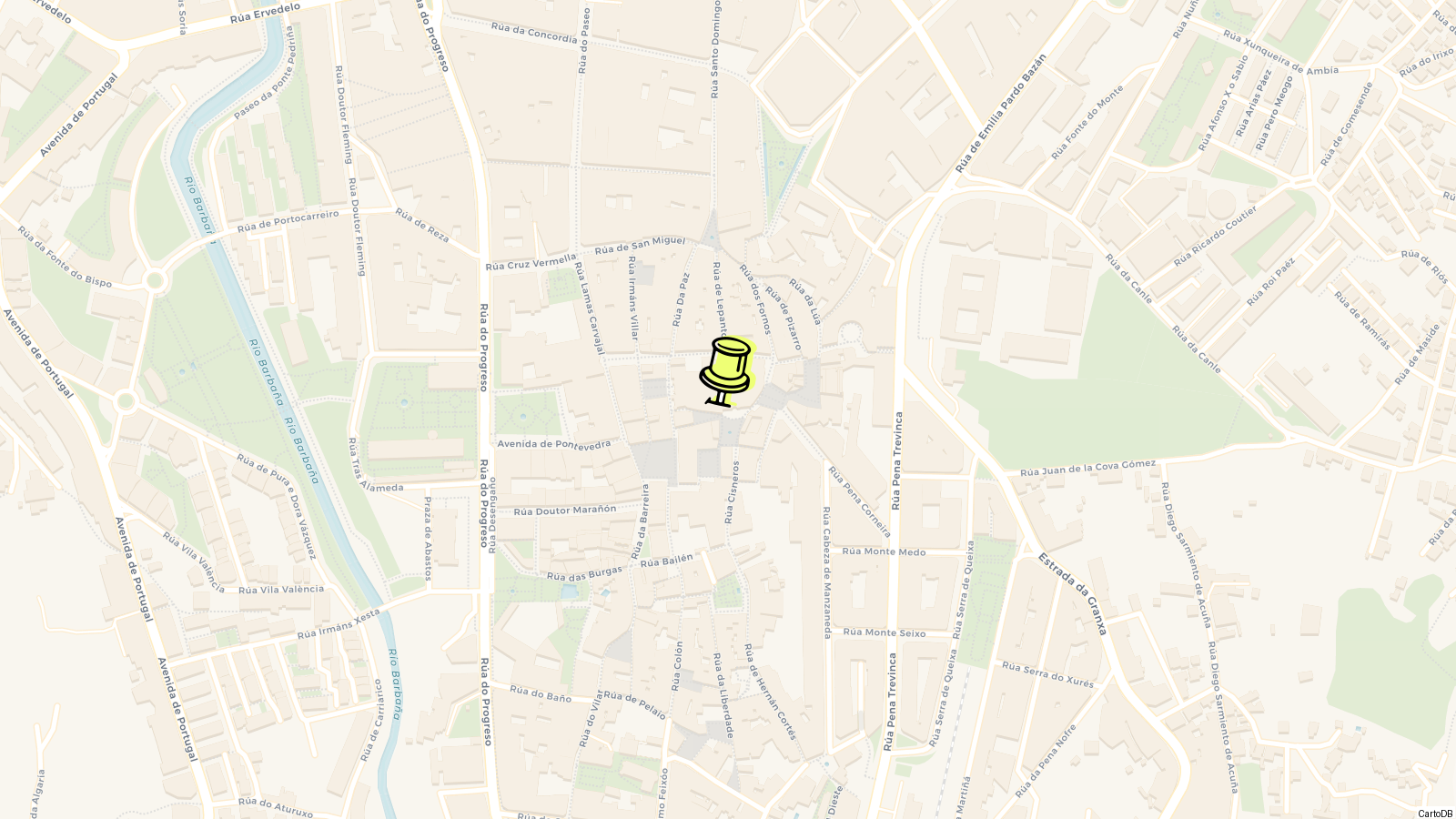
You’ll find the Museo Catedralicio de Ourense inside the north wing of the main cathedral nave, in a set of connecting rooms that follow the church’s footprint. Entry is through the main cathedral ticket, so there’s no separate queue or price if you’re already visiting the church.
Expect a dim, cool atmosphere, shaded even on the hottest July days, which matters in a city that once hit 44.1 °C. The museum rooms feel more like chapels and side-aisles than a modern gallery, with stone walls and low arches. Cabinets and altars hold vestments, reliquaries, and silverwork linked to the rituals and history of Ourense’s bishops.
The museum has a focus on sacristy objects: processional crosses, censers, episcopal staffs, and embroidered robes. Most have labels in Spanish and Galician, not English, but you can match up the main artefacts with a free floor plan handed out at the entrance desk. Audio guides aren’t standard, if they’re on offer, it’s only during special exhibitions. The Santo Cristo, which draws the most visitors, sits in a quiet side chapel under minimal lighting. You’ll want at least 30 minutes if you care about ecclesiastical art, or 15 if you’re here just for the highlights.
If you visit on a weekday morning, you’ll share the galleries with local pensioners and the odd group on a church excursion. Weekends can bring a trickle of Spanish visitors, but it’s rarely packed. The low lighting and thick stone walls keep temperatures bearable, even in Ourense’s infamous summer heat.
Some areas may be temporarily cordoned off for restoration or liturgical reasons. If a chapel or showcase is closed, staff sometimes lay out key items in a nearby room for viewing. Photography is sometimes allowed (no flash), sometimes not, depends on which items are out and whether services are running. There are no lockers, but bags and rucksacks aren’t usually a problem if you keep them in front of you in tight corridors.
Tips
- Avoid sleeveless tops, shorts, or hats inside the museum and cathedral. Standard dress applies for both since you move directly between sacred and exhibition spaces.
- Mornings are quieter, especially outside local festivity dates, giving you more time with the main works and less pressure to move along.
Tour groups and school visits usually arrive mid to late morning. If you want time to linger at the Santo Cristo or manuscripts, get there close to opening.
-
Photography isn’t permitted in most museum rooms. If in doubt, ask before taking your phone out, staff do patrol regularly.
-
Galleries are unheated in winter and stay chilly, especially in the inner pools of the old stone building.
Some parts trap damp for weeks after rain. Even in late spring the painted wood and goldwork can feel close in the air. Bring a light layer unless it’s high summer; there’s no climate control.
-
The exit route is one-way through the nave. If you want time to sit or pray after, let the staff know as you enter since re-entry isn’t always granted.
-
The main entrance for museum visits is through the north side porch. Don’t use the priests’ or sacristy doors, those are for liturgical staff and are closed to the public.
-
Most explanatory plaques are in Galician and Spanish only. Bring a translation app if you don’t read either.
Know this destination? Help us improve
Your local experience is valuable to other travelers.