Beach of Vao
beach in Spain

Visit details
Overview
Fine white sand under your feet and cold Atlantic water up to your shins: O Vao is the classic Vigo beach everyone pictures, and somehow it keeps its space even on the sunniest weekends. All summer, families drag parasols and paddleboards to the water, while football games take over the sand. The chiringuitos roll open by March, ready to do business well into autumn, so there’s always a cold Estrella Galicia and an empanada for lunch within reach.
O Vao keeps its crowd even when Galician weather turns, because those flat stretches of sand and clusters of young people make it as much a social hangout as a swimming spot. On a weekday in June, you’ll find office workers grabbing lunch at a chiringuito, parents herding kids towards the showers, and windsurfers swapping gear by the promenade. On cloudy days, the pines behind the beach give picnickers a place to sit out a drizzle without packing up. It’s not wild coastline, but it’s got a spirit that beats most city beaches in Spain.
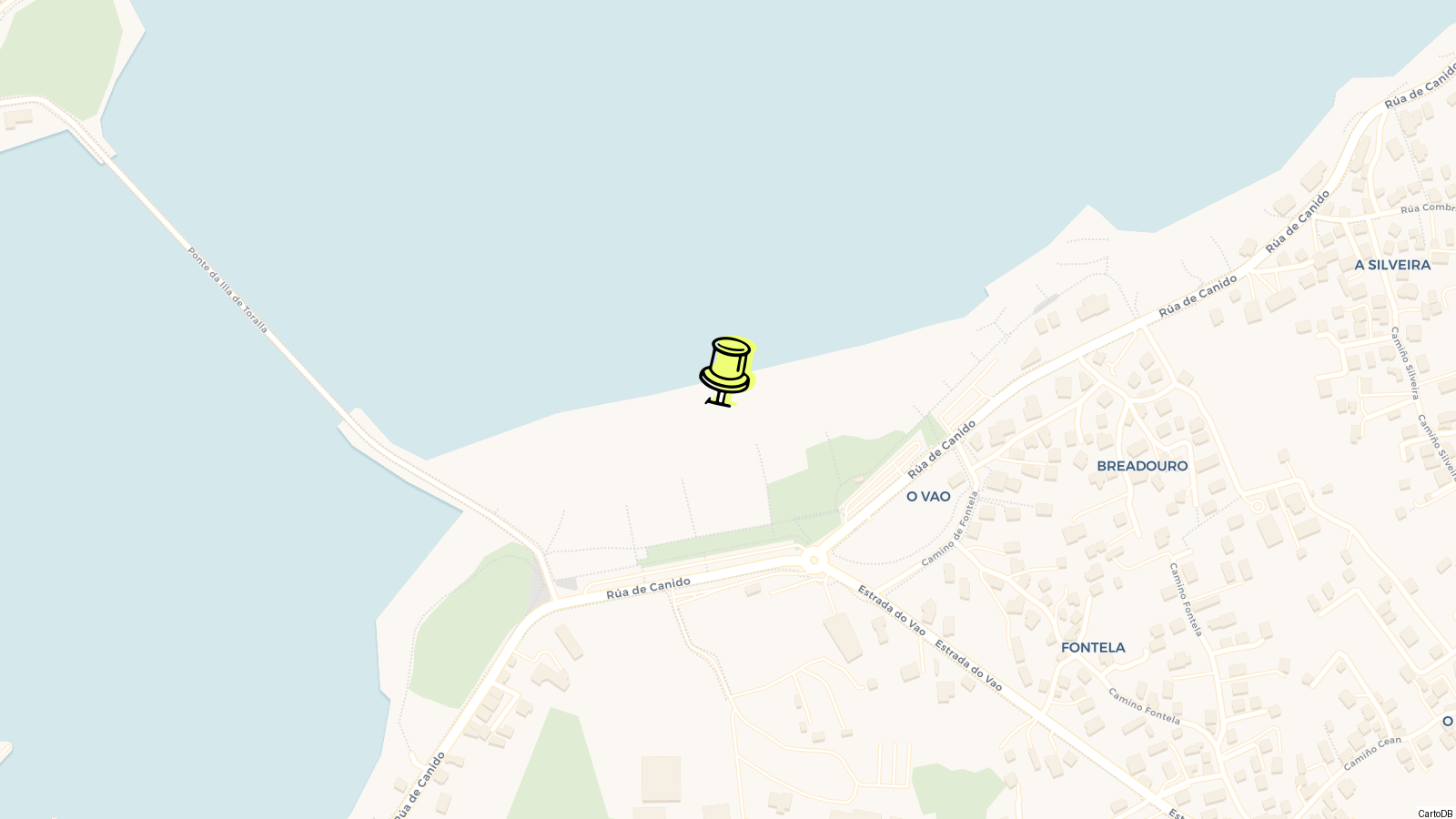
The beach sits in Coruxo parish, right on the city’s western edge, spanning 800 metres long and around 45 metres wide. It’s fully public, with Blue Flag status as of 2026, one of 12 in Vigo that year, making it the Spanish city with the most Blue Flags. No ticket, no gate; bring a towel and show up.
Vigo’s beaches are tightly monitored for water quality, lifeguard presence, accessibility, and services. The Blue Flag, awarded annually for meeting EU standards, means regular water testing, bins emptied, and toilets operational even on slow days. O Vao and nearby Samil are almost always the first beaches cleared for swimming each June. The Blue Flag status also draws more families and seniors in the peak of summer, not just younger crowds, since basic standards like disabled access and public toilets are dependable.
Beach football fields and a long wooden promenade give O Vao a sportier, younger feel than, say, Samil. The Red Cross mans a lifeguard station all season, and benches cluster under the pine, chestnut, and oak groves at the back for anyone needing a break from the sun.
Most visitors never notice, but the dune complex shared with O Baluarte is a protected zone, officially designated a Local Natural Interest Space for its ecosystem value.
This isn’t a delicate scientific reserve, families are picnicking right beside rare plants, and you’ll see joggers on the sand trails most mornings. But the ENIL (Espazo Natural de Interese Local) designation does mean there’s regular dune restoration work and restricted access zones, plus the occasional protest when local development threatens more of the coastline. The visible difference for most is a wilder stretch at the northern end, less manicured than the main beach, often signed as a nesting area in spring.
History
Ancient presence, dunes, and early use
Local records don’t pin down the exact age when people first began using what’s now O Vao, but the beach sits in a spot shaped by both nature and gradual human reshuffling. The broad dune complex straddling O Vao and neighbouring Baluarte was already a landmark long before any tourist set down a towel, Galician civil authorities now recognise it as a Local Natural Interest Space (ENIL), a status that hopes to shield these sands from overzealous building or heavy-handed reshaping.
The dunes have never stayed static. They’re battered and rebuilt by every winter storm and, less poetically, reshaped by dump trucks, planners, and “improvements”. In January 2025, Baluarte underwent a restoration with 192 cubic metres of sand brought in, tracked and levelled using GPS and drones, modern tools for an old struggle against erosion, wind, and sea, with engineers hoping to slow losses that would otherwise threaten both flora and beachgoers.
Building, bridges, and contested public use
O Vao has always been easier to reach than most of Vigo’s other famous beaches. The bridge to Toralla Island, built as urban spread crept westward, tied O Vao into Vigo’s 20th-century growth pattern. Even though the island itself is private, the beaches remain a public asset, whether the landowners like it or not. In October 2024, just as Vigo launched a round of urban upgrades, local associations rallied for continued free pedestrian access to the island from O Vao. They’ve been vocal about rights of passage along the coast and especially touchy about signs of creeping enclosure.
Protests are nothing new in this part of Galicia, but the O Vao–Toralla standoffs are a recent flavour of an old debate: who really owns the coast, and where do property lines bow to public interest? The October 2024 protest by environmental and neighbourhood groups was a reaction to strict signs and perceived attempts to limit non-resident entry. Pressure worked, for now, public access is guaranteed by law, provided you actually walk in across the bridge, not drive through the island’s private gates.
Urbanisation, regeneration, and the new “natural”
Mid-2000s to early 2020s brought unchecked building fever to this stretch. Apartment blocks and car parks mushroomed up to the edge of the dunes, and long grass was replaced by wooden promenades and bins. By 2025, even the city’s own management admitted urbanisation and poor accessibility had gone too far. In May of that year, a public consultation opened on how to restore “lost” beach, improve wildlife protections, and get rid of dead-ends and blind spots caused by chaotic additions.
Sixteen months on, in September 2025, city planners committed to new accessibility standards and major dune restoration. These are not subtle tweaks, the goal is to keep both the sand and the casual, freewheeling feel from being swallowed by concrete or vanished by the next Atlantic winter.
The €5.5 million regeneration scheme covers everything from widening boardwalks to adding smart irrigation for new beach flora. Consultation ran through summer and autumn 2025. Early works included removal of invasive plants and efforts to replant native grasses. Dune fortification now combines traditional brush fencing with high-tech monitoring. Part of the deal: improve the flow for people with reduced mobility and make sure at least part of the beach always stays clean and open, even at the height of August.
Today: award-winner, but still contested
For all the suits-and-grants attention, O Vao still lives off its status as a city beach. As of May 2026, it holds an EU Blue Flag and helps Vigo claim more such awards than any other Spanish municipality (twelve in 2026, with O Vao a core member of the set). But there’s a constant tug-of-war between crowd appeal, think busloads of summer teens and lines of umbrellas, and protecting the edge where dune, marsh, and city meet.
Most years have brought at least minor headlines over shore erosion, access disputes, or funding wrangles between city hall, Galicia’s coastal authorities, and local lobbyists. But with regular ecology surveys, new boardwalks that keep sand underfoot instead of in your shoes, and unbroken public access (for now), O Vao’s history keeps bending to fit the political mood, and the changing shape of its shoreline.
Visiting
Access is fully public and free, no ticketing. You just show up, either by foot, car, or one of the Vitrasa city buses (lines L10, L11, 15A, 15B, 15C, 23, 25); stops are all within two blocks of the sand. The PO‑325 coast road (Avenida de Europa) runs right alongside, with several obvious car parks and informal dirt lots. If you’re driving in peak summer, aim to arrive before 11:00, parking goes fast and the jam to get out in the afternoon is real.
Buses tick through frequently from the centre of Vigo (Plaza América and Praza de España are main start points), and rides cost under €2. Vitrasa app and website carry live arrival times. Both disabled and regular parking is available just behind the dunes, but once spots are gone, street parking on nearby Coruxo gets snatched up fast.
The beach itself runs nearly 800 metres long and 45 wide, so you can always find space away from the mass, even on summer weekends. Lifeguards from the Red Cross patrol from June to September, when the bulk of crowds swell. The facilities are serious: wide wooden boardwalk along the length, accessible toilets, showers, water fountains, and that ever-present megaphone system for lost kids and weather warnings. Football fields add to the daytime noise, mostly packed with teenagers and impromptu matches.
There’s no admission point or perimeter fence. Wheelchair access is straightforward, thanks to ramps from the promenade down to the sand. Pine and oak groves with benches sit at the northwest end, a solid picnic base if you’re dodging the sun. Showers and water points dot every main access, with signposted paths from the car park and from the bus stops. Foot rinses are clustered near the dunes to keep the sand out of shoes.
From March 27 until October 31, beachside chiringuitos operate by permit along O Vao, so you won’t have to haul your own drinks if you show up in season. A couple also offer simple bocatas and cold beer, but don’t expect full hot meals. Off-season, stalls close but the promenade remains lively and open for a brisk coastal walk.
The official window for chiringuito operation is strictly enforced. Stalls pop up at the start of Semana Santa and remain until late October, bringing daytime bustle and evening terrace crowds. Alcohol sales are legalised during these dates, though public rules still apply, noise or disorder gets you booted.
If you want more than just a swim, cross the short bridge at the southern end to Toralla Island. Its main beaches are still public (despite the gated residential vibe), so you can beach hop and stroll the islet’s perimeter in under half an hour. Take the usual caution with strong Atlantic currents, the Red Cross post covers this stretch, but flags change quickly on rough days.
Toralla access is a local flashpoint: in October 2024, a protest demanded 24/7 public access over the bridge, pushing back against any hint of private enclosure. As of now, you can cross freely, but authorities keep a close eye on trouble. The islet’s main sand spits are mostly empty on weekdays, and at high tide, they shrink to little more than strips.
Showers, water fountains, publicly available toilets, and a megaphone PA system are all well maintained and included for free. If you need first aid, ask at the lifeguard hut (big white hut, Atlantic-side mid-beach), open full daylight hours June to September. For anything urgent, ring the city council’s line: +34 986810100.
Tips
- Bring sandals or flip-flops, the fine white sand heats up fast on sunny days, especially near the promenade. The boardwalk offers plenty of shaded benches if you need a break from the heat.
The promenade runs the full length of the 800-metre beach, providing flat access for buggies and wheelchairs. You’ll find disabled parking spots marked next to most entrances, especially near the eastern end. Shade is limited on the sand itself, but pine and chestnut groves with benches and tables behind the dunes let you picnic or cool off away from the main crowd.
-
Don’t leave valuables unattended, even with a Red Cross lifeguard post running daily in summer, theft occasionally happens if you leave phones or wallets under the towel.
-
If you want food or a cold drink on the sand, chiringuitos operate from March 27 to October 31. Bring cash: some stalls don’t accept cards, especially early or late in the season.
Several chiringuitos dot the beach, especially concentrated where locals linger for football or volleyball. While card machines are becoming more common, outages and minimum spends are frequent, notes and coins save hassle when buying drinks or snacks.
-
O Vao holds an EU Blue Flag, water quality and services are top notch. Showers and public water fountains line the promenade, and you’ll see cleaning teams most mornings in summer.
-
Public toilets are available (look for signposts on the west end), but queues start before noon in July. Plan ahead, especially with kids.
Maintenance is decent but not always perfect by late afternoon. Facilities close overnight, so don’t count on access if you linger after sunset, plan accordingly.
-
The bridge linking O Vao to Toralla Island is open for foot traffic, giving free access to the small beaches around Toralla, even though the island itself is private property. Perfect for a short wander if the main beach feels crowded.
-
If you’re sensitive, avoid the easternmost end (“Baluarte”/“As Barcas”), nudists sometimes use this zone.
-
Winds can whip up fast in the afternoon. The breezes are great for windsurf or paddle surfing, but pack a layer for sudden drops in temperature even in summer.
Know this destination? Help us improve
Your local experience is valuable to other travelers.