Illa de Toralla
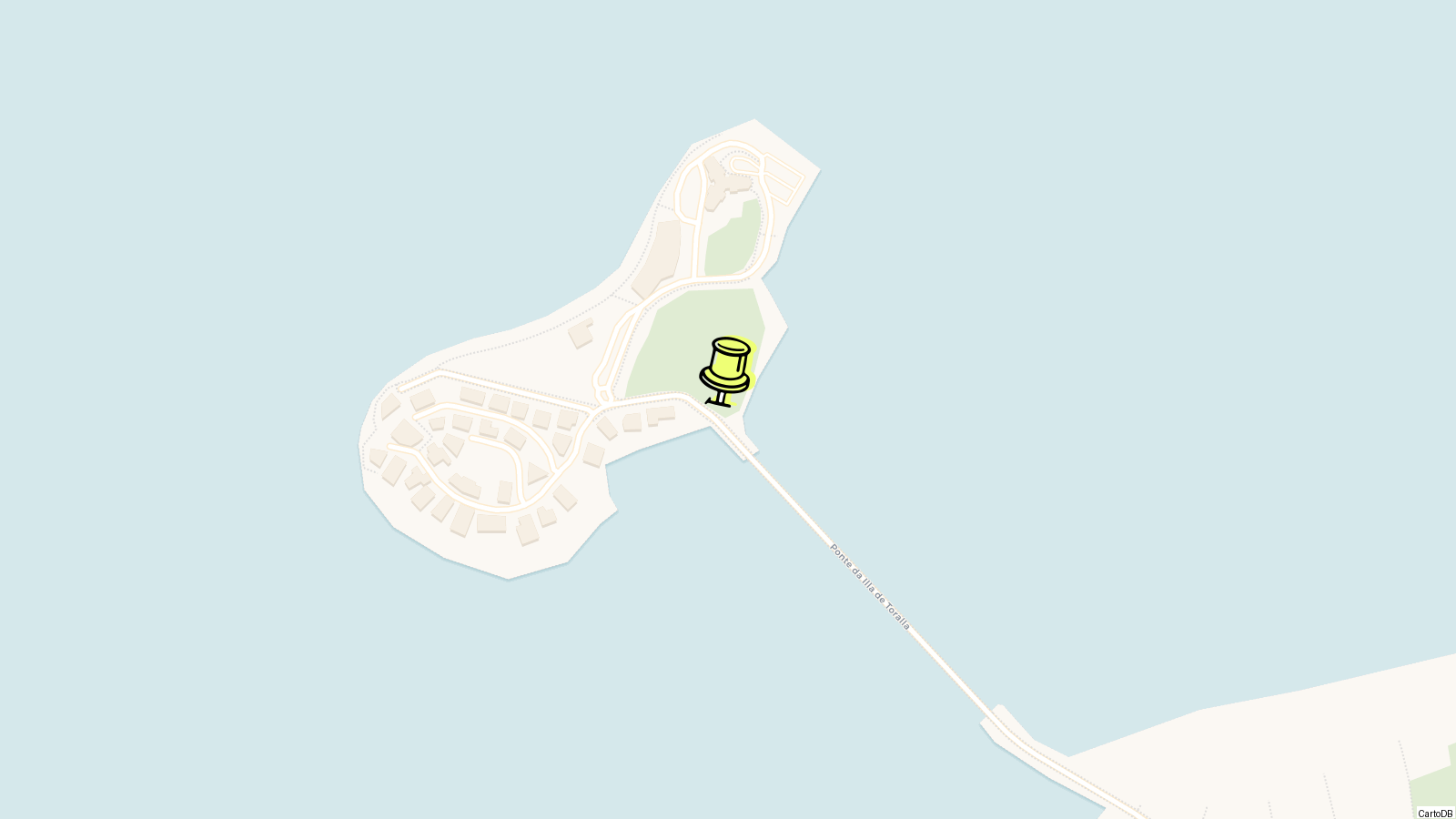
Isla de Toralla is a small island off the south coast of the Ría de Vigo in Galicia, Spain. It lies about 400 metres from Vao beach and is connected to the mainland by a bridge built in the 1960s.

Visit details
Overview
Cross the bridge from Vigo’s Playa del Vao and suddenly you’re on Illa de Toralla, where traffic stops and the sound of waves takes over. Only 10.6 hectares and a quick stroll from mainland Galicia, this is private territory, the only beach in Vigo facing south, split in two by the bridge itself.
The island’s population was just 159 people in 2023, making it more like a coastal neighbourhood than a true separate settlement. Toralla’s size, barely a tenth of a square kilometre, means space is limited, and only residents are allowed to drive across the bridge. If you’re not one of them, park at Playa del Vao and walk the rest. Entry is free, but there’s no crossing with a vehicle unless you live on the island.
Limited access is an ongoing sore spot. In 2025, protests led by Greenpeace and local groups demanded the end of private restrictions, arguing that the island’s shoreline should be public. The entrance policy keeps the vibe quiet, but the “private enclave” status is a live political issue.
Most visitors land here for the sun: Toralla’s sandy spit is about 200 metres long, 20 metres wide, and faces the Ría de Vigo, drawing swimmers and sunbathers who want a tranquil Galician beach that’s technically inside city limits. The Ría de Vigo is famous for its nutrient-rich waters, expect better shellfish than anywhere else in the province.
For such a tight space, the backstory runs deep: Iron Age and Roman archaeological remains are found at both ends of the island. Toralla makes cameos in film and fiction, Domingo Villar set a murder here in his detective novel, and scenes from the 2025 feature “Romería” were filmed on the tower’s rooftop.
What stands out isn’t wild beauty or off-the-grid atmosphere; it’s the contrast between quiet residential affluence and the constant fight over who gets to use what. Locals and weekenders lounge under umbrellas, but the ongoing debate over access means Toralla is never just another city beach.
History
Iron Age settlement
Permanent settlement here began in the Iron Age, when a castro, fortified village, took root on Illa de Toralla’s southwestern tip. The site was active from at least the 5th century BC until the early Roman era, judged by the defensive earthworks and scattered pottery finds.
Castros like this dominated Galicia’s coastal headlands, built for both lookout and defence. Illa de Toralla’s castro was typical: circular stone huts, communal storage pits, and ramparts angled for sightlines over the Ría de Vigo. The activity here paralleled a broader Iron Age pattern where tribal societies clustered by coves and tidal flats, taking full advantage of shellfish beds. Archaeological digs point to continuous occupation crossing into the first centuries AD, when local control passed gradually to Roman authorities.
Romanisation and the necropolis
The Romans never ignored a good anchorage; Illa de Toralla occupies a strategic spot at the mouth of the ría. At some point between the 1st century BC and 5th century AD, a cemetery appeared on the island, linked not to settlement here but to a large Roman villa on the mainland between Vao and Canido beaches. The dead were ferried over for burial, a mark of status and family wealth.
The mainland’s Villa Romana de Toralla, also called Finca Mirambell, was discovered in the 1920s and is today the only fully excavated Roman villa in Galicia dating squarely to the 4th–5th centuries. Tombs on the island itself have yielded simple grave goods: beads, coins, and ceramics showing ties with wider Roman trade, but no evidence points to a permanent population after the Iron Age castro faded. The choice to bury loved ones offshore suggests a deliberate connection between the villa’s social standing and the island’s old sacred ground.
Modern rediscoveries and ownership
Interest in Toralla’s past only reignited after the Mirambell family’s chance discovery of the villa ruins in the 1920s. The island itself, with its ancient castro and cemetery, has remained largely untouched by systematic archaeology for most of the 20th century.
In the decades since, most research has focused across the bridge, where artefacts from Finca Mirambell shed light on late Roman life in western Galicia. Island burials are known from salvage work, but the bulk of Toralla’s deep history sits fenced off beneath the lawns and pavements of today’s residential plots.
Recent protests and calls for public access
Ownership and access became headline issues in 2025, when hundreds of people, including Greenpeace, protested to demand that Illa de Toralla be returned for public use. Ecologist groups and residents have argued for full public entry to the island and its shoreline, putting a modern twist on the old question of who gets to claim space here.
The 2025 demonstrations are only the latest flare-up in a cycle of access disputes stretching back decades. Some argue the current regime fences out archaeology and natural heritage, echoing broader debates about private islands on Spain’s coast. For now, ownership remains private and vehicle access beyond the bridge is restricted to residents.
Visiting
Car access onto Illa de Toralla is strictly for residents; anyone else needs to cross the bridge on foot or arrive by sea. The nearest parking sits on the mainland at Playa del Vao (free along the road except peak July–August), from there, it’s a 300-metre walk over the bridge. The entrance is obvious, but there’s often a resident-controlled barrier reminding outsiders there’s no vehicle access.
The bridge itself is short, concrete, and straight, with pedestrian space along one side. Once you’re across, there are no tourist facilities, cafés, or public toilets on the island. Illa de Toralla is private property, signage makes that clear. However, you’re free to walk to Toralla Beach on the southern edge and dip your feet in. For anything beyond the sand (e.g. exploring residential lanes or lingering in the shade), don’t push your luck. The small number of residents (159 as of 2023) often argue the rules are about noise and privacy, not hostility.
Toralla Beach is public in theory and free, no entrance fee or beach permit required, but don’t expect services or umbrellas. The beach is about 200 metres long and 20 metres wide, with a mix of sand and pebbles, split in two by the bridge. It’s usually windy even on hot days and can get crowded at weekends, but on most weekdays you’ll have much of it to yourself. No lifeguard patrols, so swim with care.
Unlike Vigo’s better-known urban beaches, Toralla faces south over the Ría de Vigo, giving it slightly warmer and calmer water in summer. Local families and paddleboarders show up early. If you arrive at low tide, watch your step, the mix of sand and thin line of rocks can be slippery in places. The split site means the section west of the bridge is quieter than the main approach. Don’t expect rental kiosks, toilets, or food trucks. Bring everything you need.
If you want to see more than the sand, the mainland-side Villa Romana de Toralla (across from the bridge entrance; sometimes signed as Finca Mirambell) is open to the public. The site offers both an outdoor interpretive trail and an interior space with the remains of a Roman villa, including its thermal baths and salinas. Entry is free, but hours are short and strictly observed: from October to June, visits are possible Wednesdays and Thursdays 11:00–13:00, Sundays 11:30–13:30. Summer hours (July–September) shift to Thursdays and Fridays 17:00–19:00, and weekends 11:30–13:30.
There’s no need for advance booking. Signs outside the site recap opening times in Spanish and Galician. Interior displays are minimal but well labelled, mainly in Spanish. The best preserved rooms are the thermal bath (with the usual Roman features) and the salt works, which archaeologists interpret as evidence of industrial-scale fish-salting. The grounds have an easy, flat circuit and are accessible to most visitors, but pushchairs or wheelchairs may struggle with gravel.
If you’re coming by public transport, Vitrasa buses 10 and 11 serve stops within a 12-minute walk of Illa de Toralla’s bridge. From central Vigo (Praza de Compostela), bus 11 is usually faster, about 27 minutes and around €2. Exit at Rúa de Canido, aim for the beach, and you’ll spot the bridge’s concrete arch to your right.
No official website covers the island as a visitor destination, but Vigo’s tourism site (turismo.vigo.org) keeps basic info up to date and is worth checking before a visit for any sudden closures or resident protests.
Tips
- Cars are for residents only, if you’re visiting, you must walk across the bridge or come by sea.
- There’s no entrance fee, but you can’t drive over and there’s zero public parking on the island. Leave your car at the Playa del Vao parking before crossing the bridge.
- The bridge isn’t long (about 200 m), but exposed to wind and sun, bring a jacket or hat depending on the season.
- Toralla Beach is technically public, but the island itself is private. Access is tolerated so long as visitors do not enter residential areas or private gardens.
- No cafés or toilets on the island for non-residents. Bring water and snacks from the mainland, and use facilities at Playa del Vao.
- Summer and weekends see resident security and higher tensions with day-trippers. Stay respectful, avoid trespassing, and don’t play loud music if you land by boat.
- The sand is coarser than at Playa del Vao and the shore shelves off quickly; be mindful if swimming with kids.
- The beach faces south so gets sun all day, shade is nonexistent, umbrellas a smart idea.
Parking on busy summer weekends can fill up fast at Playa del Vao, plan to arrive by mid-morning if you want a nearby spot. The bridge is flat and stroller-friendly. Beach access is always open (no hours or gates), but walking the shore at high tide can get your feet wet. If planning to picnic, sitting quietly by the dunes is unlikely to attract comment, but stepping into any of the residential complexes will. The residential part of the island is covered by CCTV and you’ll see “Propiedad Privada” signs everywhere. For families, kids are best off exploring the western end, slightly less overlooked. If you cycle, you must dismount and push your bike across the bridge; cycling on the island is not allowed for non-residents.
- Dogs are not permitted on Toralla Beach at any time.
- If you’re curious about the Roman remains mentioned in the history section, those are on the mainland at the Villa Romana de Toralla. Don’t expect signage or ruins on the island proper.
- Part of the beach sits right under Toralla’s tall residential tower, making privacy impossible on summer afternoons.
- Vitrasa bus lines 10 and 11 stop 12 minutes’ walk from the bridge, near Rúa de Canido.
For public transport, line 11 from Praza de Compostela takes around 27 minutes and costs about €2 (pay the driver; no change for large notes). The bus stop is at Canido, then follow the signs to Playa del Vao and walk south to the bridge. Taxis from central Vigo to Playa del Vao are around €13–15 as of 2024. At night, there’s limited lighting on the approach but the bridge itself is lit. No overnight camping allowed anywhere on the island.
- In 2025, Greenpeace and local activists protested to demand public, unrestricted access. For now, access rules are strictly enforced, especially in summer.
Know this destination? Help us improve
Your local experience is valuable to other travelers.