Museo del Mar de Galicia

Visit details
Overview
A trawler hull welded beside a 19th-century hospital, steel lookout towers, and salt air coming off the ría de Vigo, Museo del Mar de Galicia doesn’t feel like any other Spanish museum. This is Galicia’s main marine museum, set at Avenida Atlántida 160 near Punta do Muíño in Vigo. It’s not just glass cases and dioramas; you’ll find an enormous underwater archaeology gallery, a working tidal aquarium, and a prototype 1898 Porta-torpedo submarine built by Antonio Sanjurjo Badía.
The building itself is a draw, an industrial conversion, it sits right on the edge of the estuary, with outdoor spaces designed for wandering and soaking up wide views over the water. One side houses the main museum spaces, the other the aquarium; they’re linked by a raised walkway. The contrast between restored stone, new steel, and room-sized art installations fits Vigo’s mix of shipping port and Atlantic grit.
The core collection focuses on Galicia’s relationship with the sea, everything from old fishing gear to shipwreck finds. Since 2006 the museum has housed all underwater heritage recovered from Galicia’s coast, making it essential if you want the full story on the region’s lost cargoes and sunken history. Temporary exhibitions have covered everything from Viking raids to marine science, and regularly pull in thousands of visitors.
You’ll cross paths with schoolkids on tours, marine buffs, and families making a day of it, the place aims for all ages. Expect interactive science displays, tidepool tanks, and heaps of objects pulled from below the waves. Its location near the entrance to one of Spain’s busiest fishing ports isn’t a gimmick but the whole point: this is about Galicia’s living, working coast.
Collection
The ground floor is where the real depth sits: 600 m² dedicated to underwater archaeology, all pulled from Galicia’s own coastline. This is not just pots and anchors, expect shipwreck cargo, everyday objects lost to the Atlantic, and navigation tools that span from pre-industrial times up through the 20th century.
The underwater archaeology gallery holds everything from Roman amphorae traded for Galician salt fish to coins, cannonballs, and personal effects from ships that never made it back to port. Salvaged iron and copper, some bright green with patina, has tags showing the specific shipwreck and discovery date. Most finds come from the western rías, including the Ría de Vigo and Arousa. Since 2006, every object dredged legally from Galician waters lands here, not in Madrid or elsewhere. The lighting is purposely dim: expect to squint at some labels, but it draws crowds of local students and visiting marine-archaeology nerds.
The 1898 Porta‑torpedo submarine dominates the centre of the main hall. This isn’t a replica; Badía built it himself, in iron, hoping to defend Spain’s rías from invaders. Stand right beside it, kids can stare up at its propeller, and get a rare look at the risky side of homegrown Galician innovation.
Antonio Sanjurjo Badía was a self-taught engineer from A Coruña, and his invention was tested in local tidal conditions. The “Porta‑torpedo” had a very limited range, it was designed to carry explosives under enemy ships. The prototype survived the scrapping of many similar machines because it never made it out of prototype stage, and because Badía was known in local circles as “O Inventor.” His son donated it to the museum.
Galician coastal fishing and shipping shape most of the upstairs exhibits. You’ll see scale models of traditional wooden boats, from dornas and gamelas to simple flat-bottomed shellfish craft. Panels spell out how small-boat fishing still flows with the tides today, and there are weathered nets, iron harpoons, lanterns, and everyday gear going back several generations.
There are original deck logs, handwritten in old Galician and Castilian, from local skippers. Display boards show the rise and fall of sardine and hake catches from the 20th century, with real ledger books pasted under glass. Old video reels from the 1960s run in loop, giving a glimpse of the industrialisation push and the boom years for Vigo’s canneries.
The museum’s outdoor terraces aren’t just for the smoke break. These face the open Ría de Vigo and are designed for hanging around, regardless of the Galician drizzle. They help drive home why this region has always lived off the sea.
The aquarium (separate ticket: €2 general, €1 reduced) is a basement loop, small but good for families. You’ll spot octopuses, local inshore fish, and a few crabs in tanks mimicking the Galician coast. It gets noisy with school groups but is ultra-short, ten to twenty minutes if you’re quick.
Lighting is natural and dim. No sharks or headline-grabbers: this is all about the native marine fauna around Vigo, especially species that support the local economy. Panels label every fish with Galician and Castilian names. Staff sometimes feed the tanks at set hours, but schedules change.
Temporary exhibitions usually rotate every few months and are worth checking if you’re back in Vigo after a year or two. Past themes have ranged from Viking shipwrecks to marine science, using original artefacts borrowed from local research stations, with a focus on hands-on displays. Big events can draw 10,000–15,000 visitors over a season.
If there’s a major temporary show, expect a €2 extra fee for entry. Summer sees the busiest turnover, as temporary exhibitions tap into summer holidays and Galician festival calendars. When the “Vikingos. Unha ollada desde Galicia” exhibition ran in 2025, over 15,000 people paid the separate entry.
Don’t rush the smaller side rooms, one is dedicated to lighthouse lenses, maritime charts, and radio beacons. There’s also a series of short video docs (usually subtitled), covering salvage of shipwrecks and interviews with Galician shellfish gatherers.
The gift shop carries a small range of sea-themed books (lots in Galician), clever boat models, and marine-science toys for kids. No café on site, but plenty across Avenida Atlántida once you’re finished.
Visiting
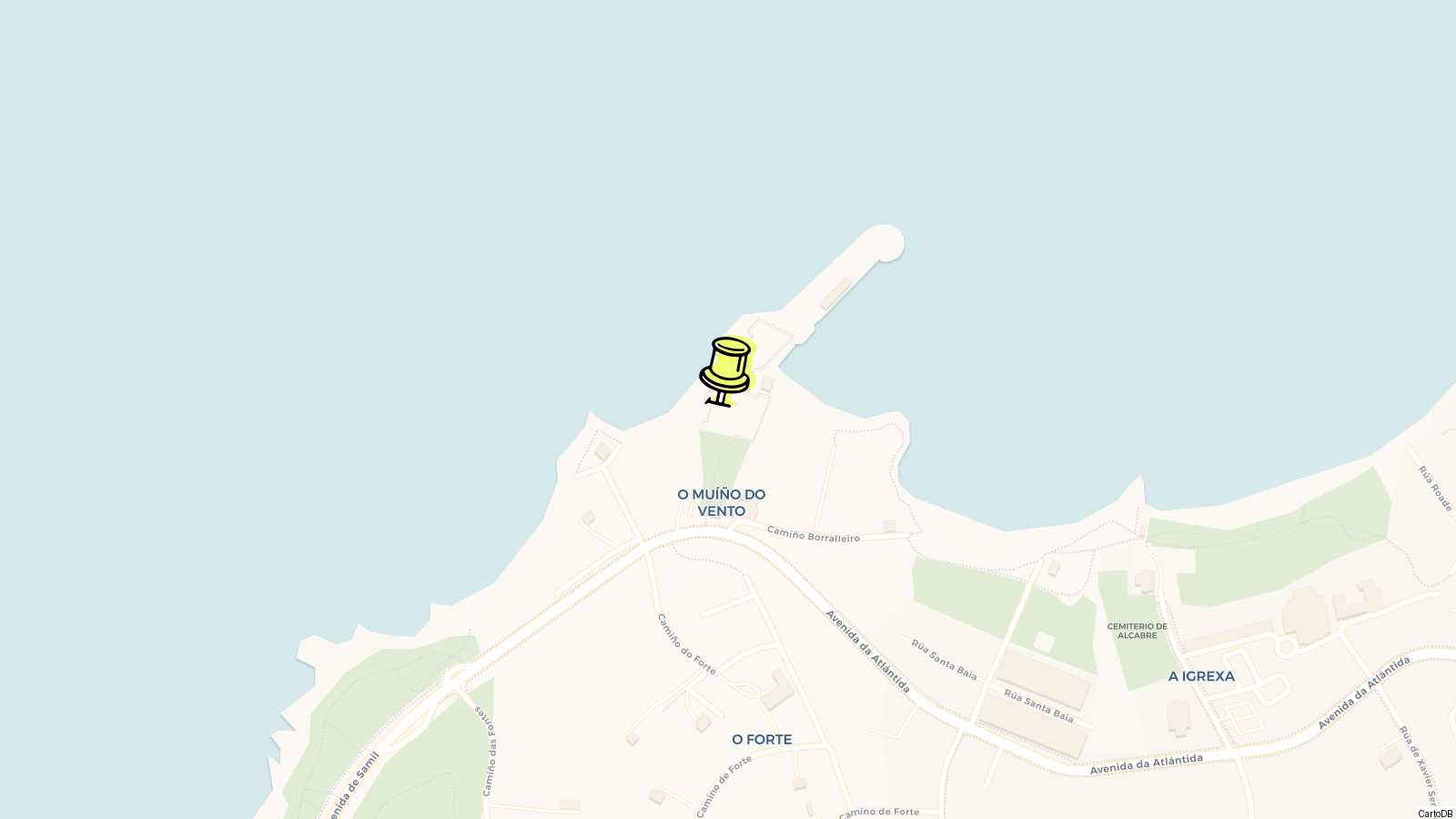
Museo del Mar de Galicia sits right at Avenida Atlántida 160, Punta do Muíño, on the coastal edge of Vigo. The approach is unmistakable, a trawler hull out front, modern steel towers, and the salt tang of the ría. Expect a working, wind-blown atmosphere as you walk in.
Admission is €3 for adults, reduced to €1.50 if you’re eligible, while kids under 8 go free. Tickets to the aquarium inside are a separate €2 (or €1 reduced), and temporary exhibitions tack on another €2 or €1 if you qualify for reduction. There’s no online booking. For reservations, including school groups and guided tours, you’ll need to call +34 986 247 750 at least a day in advance.
Reduced admission applies to students, pensioners, and large families, but check specifics when you ring or at the door. The aquarium focuses on native Atlantic species and works for a 20–30 minute add-on to the main visit. If you’re coming for a temporary exhibition, note the separate €2/€1 ticket on top of your main admission, tickets are checked at each exhibition entrance. School visits book up especially fast in spring and autumn.
Opening hours are strict: closed Mondays (unless it’s a public holiday) and always closed on 25 December, 1 January, and 6 January. Doors open Tuesday to Friday from 10:00 to 14:00 and then again 16:00 to 19:00, weekends (and public holidays) run 11:00 to 14:00, and 17:00 to 20:00. Expect early closures on 24 and 31 December. Last entry is usually 30 minutes before close.
Inside, orientation is simple: ground floor for the main permanent exhibition, including the underwater archaeology zone (600 m² of finds recovered directly from the Galician coast, anchors, pottery, shipwreck fragments and early navigation tools). Off the main route, in a separate building, you’ll find the aquarium. Temporary exhibitions, mostly marine science, navigation, and local fishery history, usually take over the upper and side galleries.
Major recent exhibitions drew thousands, like the 2025 Viking-themed show that attracted over 15,000 people through the doors. Interactives are genuinely hands-on (expect working sextants and old maps you can try), and kids find the fish tanks and old diving gear a break from the more academic galleries.
Facilities are family-friendly, accessible toilets, baby changing area, and a gift shop with local books and souvenirs. School visits and guided group tours are offered (phone booking only). Outside, paved terraces let you watch port traffic and see across the ría.
Pushchairs are allowed in all exhibition areas except when crowds are heavy. The outdoor terraces are worth lingering on for harbour views in good weather, as are the steel lookout towers, both included in your ticket. Dogs are not permitted, except guide dogs. The gift shop sells small ocean-themed souvenirs and books, but don’t expect a full-scale café; for snacks you’ll need to head back toward central Vigo.
Tips
- Closed Mondays (except public holidays) and always on 25 December, 1 and 6 January. On 24 and 31 December, the museum only opens limited hours, check their website or ring +34 986 247 750 ahead if you’re planning an end-of-year visit.
Typical hours run 10:00–14:00 and 16:00–19:00 Tuesday to Friday. Weekends it shifts to 11:00–14:00 and then 17:00–20:00. Monday closures are strict unless it’s a public holiday.
-
Entry costs €3 adults/€1.50 reduced, aquarium is a separate ticket (€2 general/€1 reduced), don’t skip the aquarium, as many visitors barely notice the extra door. Kids under 8 go free in the main museum.
-
Temporary exhibitions are not included, allow an extra €2 for those, or €1 reduced.
-
Most signage and labels are in Galician and Spanish, so if you need English, head straight for the main desk, they can supply basic info there.
- The outdoor area is exposed, bring a rain jacket or windbreaker, even in summer. Galicia’s weather flips quickly and the park benches by the ría are unsheltered.
Average annual rainfall in Vigo is around 1,500 mm, with a mild 14.9 °C mean temperature, don’t trust blue skies to last here.
-
The museum’s lookout points are outdoors and uneven. Some areas and the archaeological zone involve steps and stonework. Wheelchair users can access the main building and facilities, but not every view.
-
Booking for guided tours, group activities, or schools must be made at least one day in advance by calling +34 986 247 750.
-
There’s a gift shop, accessible toilets, and baby changing available onsite.
The museum’s facilities serve families and school groups, with a dedicated education team running everything from guided visits to craft workshops.
- If you plan to see an exhibition that looks temporary or special, double-check what’s included. Exhibition admission is usually a separate paid ticket.
Know this destination? Help us improve
Your local experience is valuable to other travelers.