Xardín botánico Fundación Sales
Visit details
Overview
Bamboo groves close in on a gravel path, a giant water lily floats in a pond that wasn’t there fifty years ago, and a ginkgo near the back fence carries a story too unlikely for the size of the place. The Xardín Botánico Fundación Sales is a small private garden of around 7,000 square metres on the eastern edge of Vigo, and the only botanical garden in the city.
Two things make it more than a neighbourhood patch. The first is a Wollemia nobilis, the conifer species thought extinct until a hiker rediscovered a small grove in Australia in 1994; the garden’s specimen was donated in 2011. The second is a Victoria cruziana water lily from the Paraná River, the only known specimen in Spain, grown from seeds donated by the Royal Botanic Gardens at Kew. Its leaves can spread to two metres across when it blooms in late spring.
The garden runs on a foundation, not a city budget, which explains both its scale and its quirks. Self-guided entry costs €2 for adults, €1 for children up to nine and over-65s; opening hours run Tuesday to Saturday, with a long midday break, closed Mondays and Sundays. Most visitors are done in thirty minutes. The pace it rewards is slower: a notebook, a thermos, an hour to spot what’s labelled and what isn’t.
History
No records pinpoint when the Xardín botánico Fundación Sales first opened. The garden sits east of central Vigo, at exactly 42.214932812 latitude, -8.762822653 longitude, and is a late-20th-century project.
There’s no evidence that this site had a significant public function or institutional use before it became a botanical space. Don’t expect a medieval story or an 18th-century estate, this isn’t one of Galicia’s old pazos. Its purpose from the start was botanical, plant conservation, education, and a sanctuary for non-native species. Over the decades, careful landscape gardening shaped the existing land into a collection that showcases plant life from various climates, with exotic and local varieties mixed in. From its earliest years, the foundation behind the garden has aimed to provide a space for both amateur gardeners and professionals, balancing public access and horticultural research.
Most of Vigo’s signature historical moments happened elsewhere. During the Peninsular War, French troops occupied Vigo in January 1809. The local uprising, the Reconquista, celebrated every March 28, freed the city and marked the first expulsion of Napoleon’s troops in Europe. The Battle of Vigo Bay in 1702 played out on the Ría de Vigo, not here, and shaped the city’s maritime identity, not the story of this garden.
The garden’s development reflects post-Franco Spain’s rising interest in green spaces and ecological awareness. As Galicia urbanised, especially around Vigo, private initiatives like Fundación Sales stepped in to create pockets of biodiversity within the city’s sprawl. Many of the subtropical trees and unusual plant specimens, visible in mature form today, arrived in the last decades of the 20th century, added as global sourcing and botanic exchanges became routine for Spanish horticulturalists. Galicia’s climate, mild and wet much of the year, let them experiment with non-native flora.
In short: the Xardín botánico Fundación Sales is tied to Galicia’s wave of modern botanical projects, not to any ancient foundation or noble family. What you see is the handiwork of contemporary gardeners, and every rare tree or winding path here is the result of decisions made in the last 40 years.
Visiting
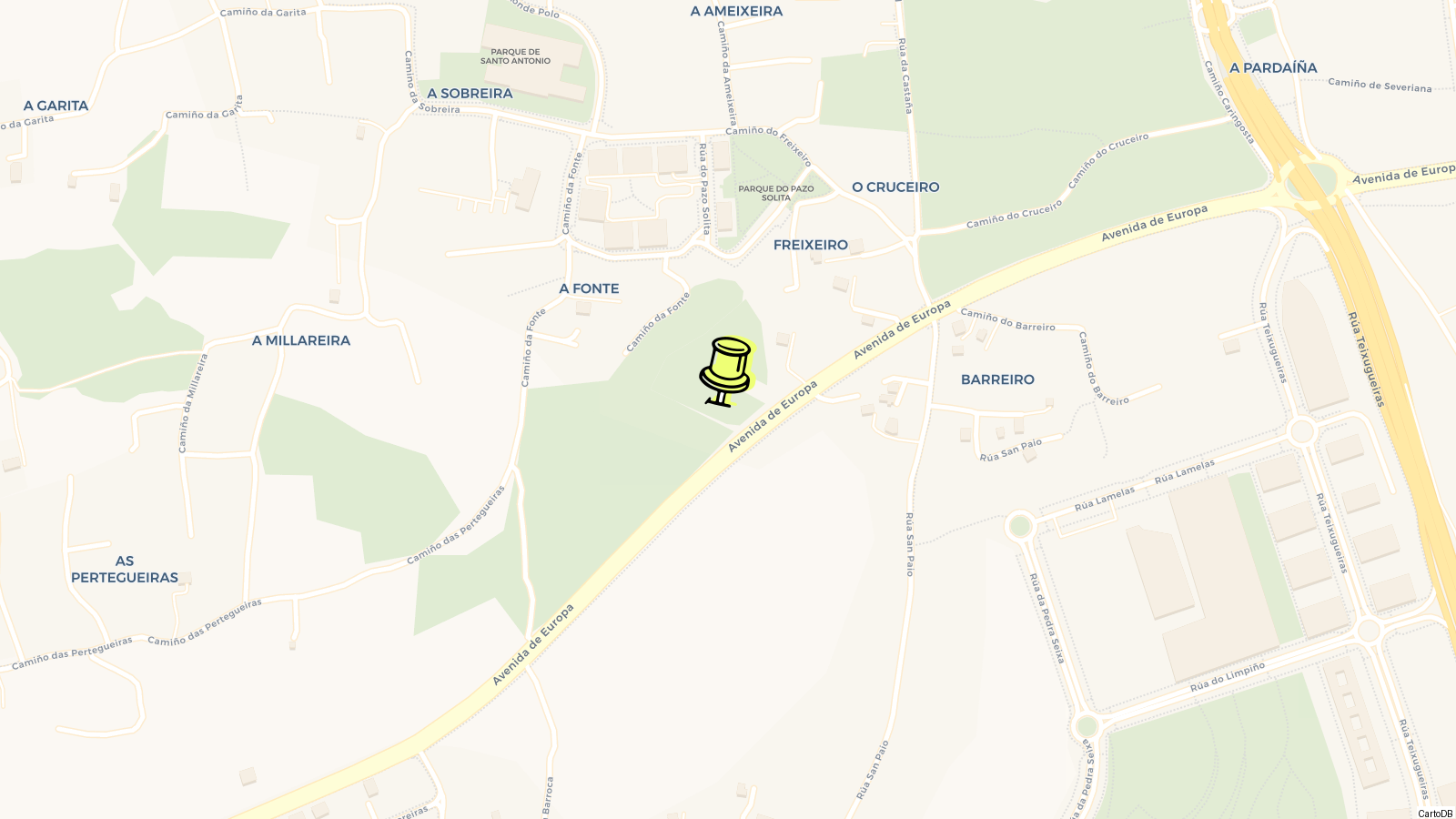
Xardín botánico Fundación Sales sits just east of central Vigo, marked by coordinates 42.2149, -8.7628. The entrance is clearly signed at the garden gate, and you step straight into a network of winding paths and planted clearings that feel surprisingly private for a spot so close to the city core.
The garden isn’t enormous. Pace yourself for one to two hours at a slow walk, enough to loop through the Mediterranean, subtropical, and bamboo sections without doubling back. The route is informal, the main circuit path winds along gentle gravel and shaded spots anchor benches beneath mature trees, breaking up flower beds and stand-alone specimens. You’ll spot labelled trees and exotic plants, but the labels are minimal and low-key. Don’t expect a museum-like experience with exhaustive signage; this is more a lived-in collector’s garden.
No paywalls or ticket machines as you enter; Xardín botánico Fundación Sales is donation-based, with a suggested contribution usually listed at the entrance gate. There’s no timed entry and no ticket check, in practice, you simply walk in whenever the gate is open.
The suggested donation isn’t enforced, but most visitors put in a few euros to help maintenance and volunteer work. Hours depend on the season, and gates can close early in winter. There are no retail facilities, no café, no souvenir stand, no public loos inside, so bring water and use a toilet before you come.
The garden’s signature is the pond and bridge halfway along the main route, a hub for bright koi and turtles. Most locals come for quiet time or a seat by the water rather than a conventional sightseeing circuit. Benches are spread throughout. Don’t expect café tables or commercial spaces, nothing breaks the illusion of a private backyard, albeit an ambitious one.
Some areas, like the modest cactus garden and the bamboo grove near the northern fence, are easy to miss if you’re rushing. Look for patches of seasonal wildflowers: the look changes through the year, from camellias and magnolias in late winter into lilies, agapanthus, and ornamental grasses by late summer.
On weekends or during school holidays, small groups might be scattered across lawns with sketchbooks or plant-spotting notebooks. There’s no children’s playground or interactive exhibition inside, the vibe is more contemplative garden than city park.
Bring a book, sketchpad, or picnic if you want to linger. If it rains, you’ll find some cover under dense planting, but there are few full shelters. For a rain-free day, late morning to mid-afternoon tends to be the brightest and leafiest. Avoid the half hour before gates close; the sweep is punctual and you’ll be hurried if you linger.
Tips
- Bring a waterproof jacket if rain looks likely. Galicia’s climate rarely gives you a dry guarantee for the whole day.
Umbrellas are a gamble here; showers come and go quickly, so layers and something packable work better than relying on a big umbrella you’ll just end up carrying.
- Paths are unpaved and can get muddy after rain. Wear shoes you don’t mind getting dirty.
Neither hiking boots nor flip-flops are needed, just trainers or flat shoes that grip. The terrain isn’t difficult, but children and anyone with mobility issues should mind roots and the occasional slippery patch.
- Quietest time: just after opening, especially outside weekends.
Many locals visit in the late afternoon, and weekends draw small families and gardening groups. If you want the paths to yourself for photos or birdwatching, aim for weekday mornings.
- Expect no formal signage or interpretive panels.
This garden does not spoon-feed you plant names or stories; it’s built more for wandering and unplugging, less for formal botany lessons. If you want plant IDs, bring a smartphone plant ID app.
- Dogs aren’t allowed, nor bicycles inside the garden.
Leave pets at home for this outing. If arriving by bike, you’ll need to chain it to the railing outside the entrance gate; there’s no staffed cloakroom or security for bikes or large bags.
-
The nearest urban bus stop is about a five-minute walk from the main gate, but check the current schedule in advance, as Vigo’s bus service can have long gaps between departures.
-
All the paths loop back to the entrance. You won’t get lost, but keep an eye on kids, the thick hedges and plantings mean you can lose sight of them quickly if they run ahead.
Know this destination? Help us improve
Your local experience is valuable to other travelers.